
addiction
Cocaine Addiction: Effects, Risks, and Treatment Options
Cocaine is a powerful stimulant with high addiction potential. Learn the effects on your body and brain, risk factors, and treatment approaches that work.
Evidence-based information about substance use disorders, the science behind addiction, and how to recognize the signs. Understanding is the first step toward recovery.
Addiction — clinically called substance use disorder (SUD) — is a chronic brain condition that changes how the brain processes reward, motivation, and memory. According to SAMHSA's 2023 National Survey on Drug Use and Health, approximately 48.7 million Americans aged 12 or older had a substance use disorder in the past year.
Research from the National Institute on Drug Abuse confirms that addiction rewires the brain's circuits responsible for self-control, stress response, and decision-making. These neurological changes persist long after substance use stops, which is why addiction requires professional treatment — not just willpower.
The good news: addiction responds to treatment. Behavioral therapies, medication-assisted treatment (MAT), and peer support programs help millions of people achieve and maintain long-term recovery every year. The articles below explore the science, the signs, and the solutions in depth.
Cocaine is a powerful stimulant with high addiction potential. Learn the effects on your body and brain, risk factors, and treatment approaches that work.

Methamphetamine causes devastating physical and psychological damage. Understand the effects, recognize the signs, and explore paths to recovery.
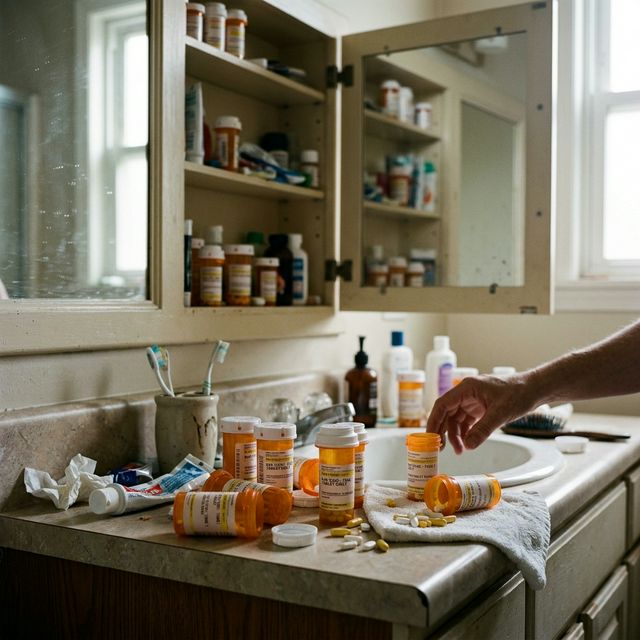
Prescription drug abuse affects millions. Learn which medications carry the highest risk, how to recognize misuse, and where to find treatment.

The opioid epidemic has claimed over 500,000 lives in the U.S. Understand how opioid addiction develops and the life-saving treatments available.
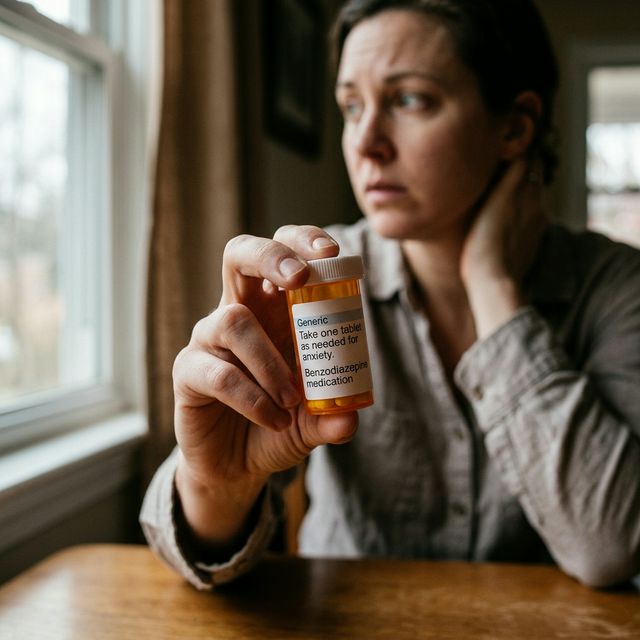
Benzodiazepine dependence develops quickly and withdrawal can be fatal. Learn the risks, recognize addiction signs, and understand safe treatment options.
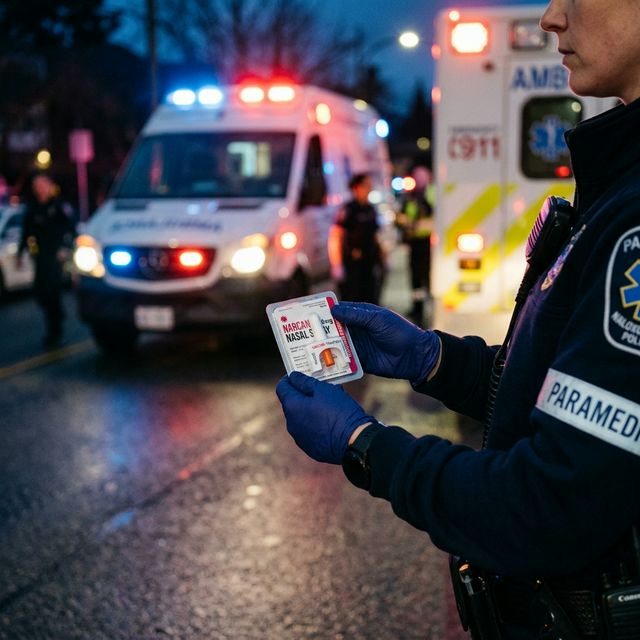
Knowing the signs of a drug overdose saves lives. Learn how to recognize overdose symptoms for different substances and respond effectively.
Roughly 30% of marijuana users develop some degree of use disorder. Learn the health effects, recognize problem use, and explore recovery paths.

Nicotine is one of the most addictive substances known. Learn how it affects your health and explore proven methods to quit smoking or vaping for good.
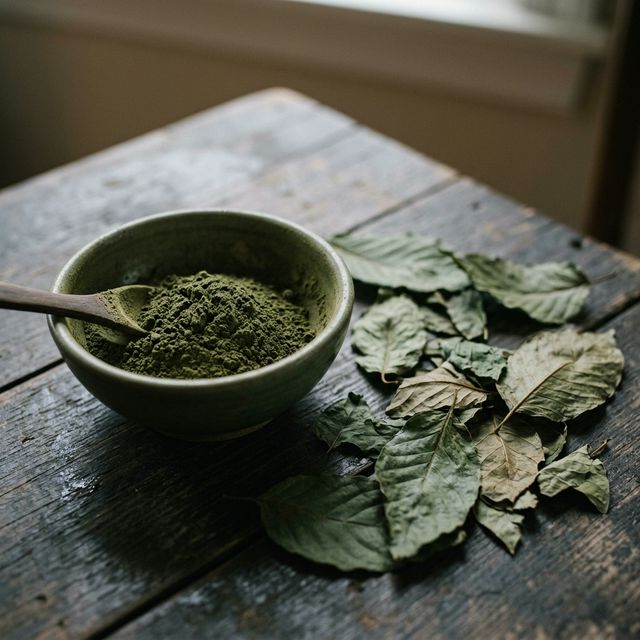
Kratom is marketed as a natural supplement, but it carries real addiction potential. Learn the risks, effects, and how to find treatment.

Adderall misuse is rising, especially among students and young professionals. Learn the signs of abuse, health risks, and how to get help.
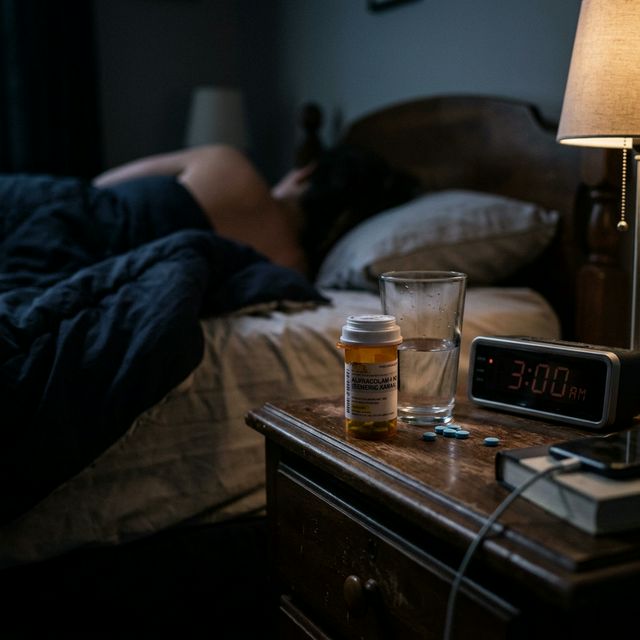
Xanax is the most prescribed and most misused benzodiazepine in America. Learn why it is so addictive and how to recover safely.
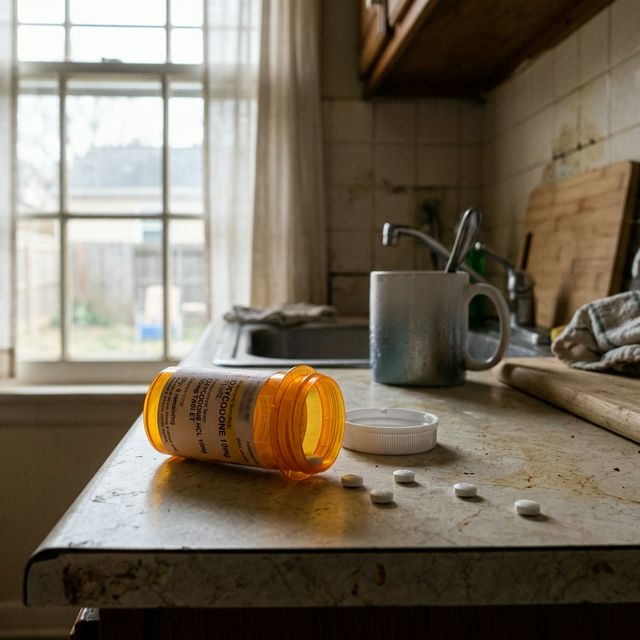
Oxycodone is one of the most commonly prescribed and misused opioid painkillers. Learn the risks, recognize dependence, and find evidence-based treatment.

Heroin addiction destroys health and lives. Learn how heroin affects the brain, recognize the warning signs, and explore proven treatment programs.

MDMA (ecstasy/molly) produces euphoria and emotional closeness but carries serious health risks. Learn the effects, dangers, and treatment options.
Synthetic drugs like K2, Spice, and bath salts are unpredictable and dangerous. Learn the risks, effects, and treatment options for synthetic drug abuse.
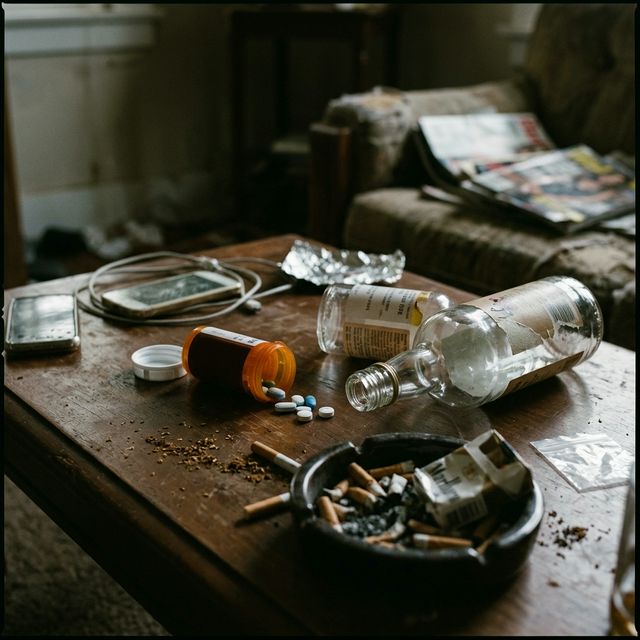
Using multiple substances simultaneously is extremely dangerous. Learn why polysubstance abuse multiplies health risks and complicates treatment.

Anabolic steroid misuse causes serious physical and psychological harm. Learn the health consequences, signs of abuse, and how to get help.
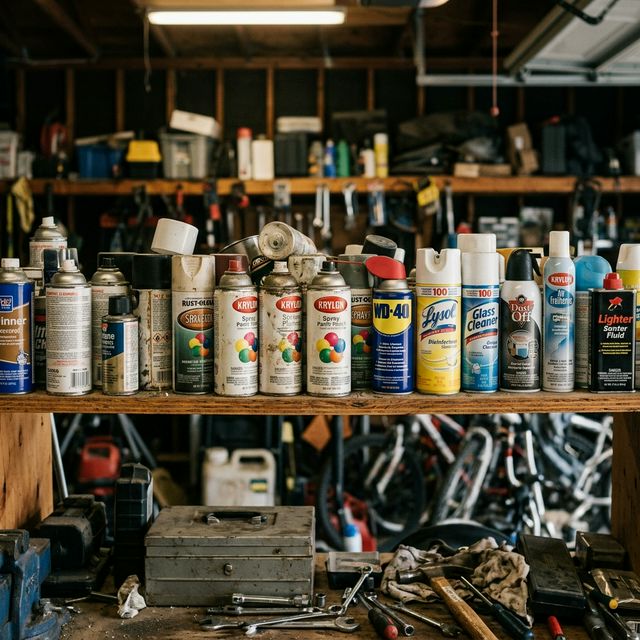
Inhalant abuse is common among adolescents and carries risk of sudden death, even on the first use. Learn the dangers, signs, and how to help.

Drug addiction is a complex brain disorder. Learn about the causes, warning signs, and effective treatment approaches for substance use disorders.
Alcohol addiction affects millions worldwide. Recognize the signs and explore evidence-based treatment options for a healthier life.
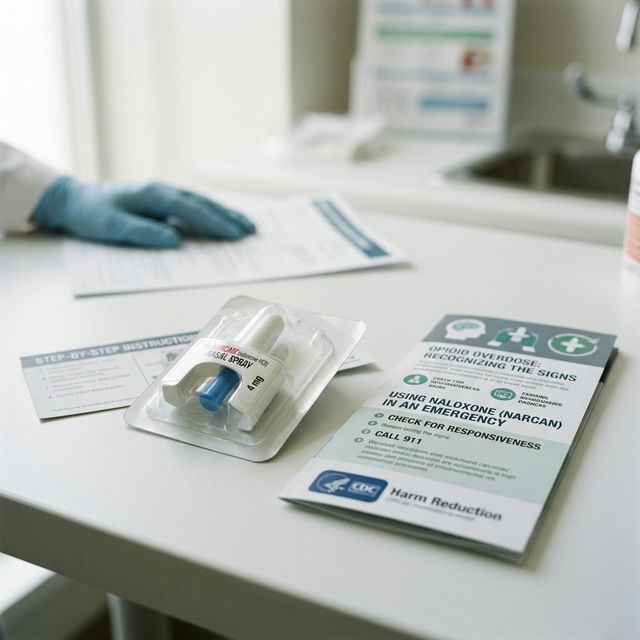
Fentanyl is 50 to 100 times more potent than morphine. Learn why it has become the leading cause of overdose deaths and what treatment options exist.

Gambling addiction affects 2-3% of the population and devastates finances and relationships. Recognize the warning signs and learn how to get help.
Addiction is classified as a chronic brain disorder by the American Medical Association, the American Society of Addiction Medicine, and the National Institute on Drug Abuse. While the initial decision to use a substance may be voluntary, repeated use causes lasting changes to brain circuits that control reward, stress, and self-control — making it extremely difficult to stop without professional help.
Common warning signs include: inability to stop using despite wanting to, increasing tolerance (needing more for the same effect), withdrawal symptoms when not using, neglecting responsibilities at work or home, continued use despite relationship or health problems, and spending excessive time obtaining or recovering from substance use. The DSM-5 uses 11 criteria to diagnose substance use disorder.
Yes. Millions of people achieve and maintain long-term recovery from addiction every year. Recovery is a process that often involves professional treatment, medication-assisted therapy, behavioral counseling, peer support groups, and ongoing lifestyle changes. Research shows that treatment outcomes for addiction are comparable to those for other chronic conditions like diabetes and hypertension.
Addictive substances flood the brain's reward circuit with dopamine, producing intense pleasure. Over time, the brain adapts by reducing natural dopamine production and the number of dopamine receptors. This means activities that once brought joy no longer feel rewarding, and the person needs the substance just to feel normal. The prefrontal cortex, responsible for judgment and impulse control, also becomes impaired.
Yes. Under the Affordable Care Act (ACA) and the Mental Health Parity and Addiction Equity Act, most health insurance plans are required to cover substance use disorder treatment at the same level as other medical conditions. Coverage details vary by plan. You can verify your benefits by contacting your insurer or calling SAMHSA at 1-800-662-4357.
Physical dependence means the body has adapted to a substance and experiences withdrawal symptoms without it. Addiction includes physical dependence but also involves compulsive drug-seeking behavior, loss of control over use, and continued use despite harmful consequences. A person can be physically dependent on a medication (e.g., blood pressure drugs) without being addicted to it.
All content on this page is informed by peer-reviewed research and data from the following organizations.
Research-based information on drug use, addiction, and treatment
Federal agency leading public health efforts on substance use
National data on drug overdose deaths and prevention
Global perspectives on substance use disorders
Professional standards and clinical criteria for addiction treatment

Workplace Substance Abuse: Warning Signs, Employer Obligations, and Employee Rights Substance abuse in the workplace is invisible until it is not. About 70% of…
Mar 18, 2026
What Are Magic Mushrooms? Benefits Claims vs Abuse Risk Magic mushrooms contain psilocybin, a naturally occurring compound that the body converts to psilocin.…
Mar 18, 2026
What Is LSD? Effects, Bad Trips, and When Use Turns Risky LSD (lysergic acid diethylamide) is one of the most potent hallucinogens known. Doses as small as 25…
Mar 18, 2026
What Is GHB? Signs, Consent Risks, and Overdose GHB (gamma-hydroxybutyrate) is a powerful central nervous system depressant that occurs naturally in the brain…
Mar 18, 2026
What Is PCP? Signs, Risks, and Overdose PCP (phencyclidine) is a dissociative drug originally developed as a surgical anesthetic in the 1950s. Medical use was…
Mar 18, 2026
Is Kratom Addictive? Yes. Kratom is addictive. The plant’s primary alkaloids, mitragynine and 7-hydroxymitragynine, activate the same opioid receptors as…
Mar 18, 2026
What Is 7-OH and Why Kratom Regulators Care 7-OH is shorthand for 7-hydroxymitragynine, one of the two primary alkaloids in the kratom plant. It is far more…
Mar 18, 2026
Oxycodone Withdrawal Timeline and Detox Risks Oxycodone withdrawal begins 8 to 12 hours after your last dose if you take immediate-release formulations and 12…
Mar 18, 2026
How Long Does Fentanyl Stay in Your System? Fentanyl has a half-life of 3 to 7 hours when used intravenously, but detection in your body depends on what form…
Mar 18, 2026
How Long Does Heroin Stay in Your System? Heroin leaves the blood fast but leaves traces much longer. The drug itself has a half-life of only 30 minutes. Your…
Mar 18, 2026
Is Xanax Addictive Even With a Prescription? Yes. Xanax is addictive, and a prescription does not protect you from dependence. Alprazolam, the generic name for…
Mar 18, 2026
Xanax Withdrawal Timeline and Seizure Risk Xanax withdrawal is medically dangerous. Unlike opioid withdrawal, which is miserable but rarely fatal,…
Mar 18, 2026
How Long Does Cocaine Stay in Your System? Cocaine leaves the bloodstream quickly, but its metabolites linger. The drug itself has a half-life of roughly one…
Mar 18, 2026
Adderall Withdrawal: Crash, Fatigue, Depression, and Recovery Adderall withdrawal hits hardest in the first 24 to 72 hours after your last dose. The “crash” is…
Mar 18, 2026
Kratom Withdrawal Timeline: What to Expect by Day Kratom withdrawal is real, and it catches many users off guard. Kratom activates opioid receptors in the…
Mar 18, 2026
How Long Does Weed Stay in Your System? How long weed stays in your system depends on how often you use it, your body composition, the type of drug test, and…
Mar 18, 2026
Marijuana Withdrawal Timeline: Sleep, Irritability, and Cravings Marijuana withdrawal is clinically recognized. The DSM-5 added cannabis withdrawal syndrome in…
Mar 18, 2026
Fentanyl Overdose: What Bystanders Should Do Step by Step Fentanyl overdose can kill in minutes. Fentanyl is 50 to 100 times stronger than morphine, and the…
Mar 18, 2026
Narcan vs Naloxone: What Families Should Keep at Home Narcan and naloxone are the same drug. Naloxone is the generic name. Narcan is the brand name for the…
Mar 18, 2026
The Connection Between Screens and Substance Risk U.S. Surgeon General Dr. Vivek Murthy issued a clear warning: social media poses a significant risk to the…
Mar 17, 2026
Stimulants Are the New Front Line of the Overdose Crisis For years, opioids dominated headlines about drug overdose deaths. That shifted in June 2025, when…
Mar 17, 2026
Xylazine Is Reshaping the Overdose Crisis A veterinary sedative called xylazine, known on the street as “tranq,” has infiltrated the U.S. illicit drug supply…
Mar 17, 2026You don't have to face this alone. SAMHSA's National Helpline offers free, confidential support 24 hours a day, 7 days a week.
Call 1-800-662-4357