Polysubstance Abuse: Risks of Mixing Drugs
Using multiple substances simultaneously is extremely dangerous. Learn why polysubstance abuse multiplies health risks and complicates treatment.
What Is Polysubstance Abuse
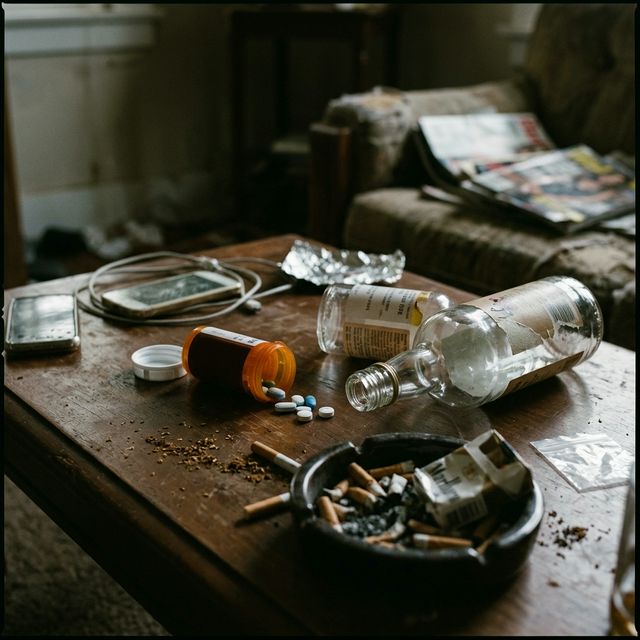
Polysubstance abuse (polydrug use) involves using two or more substances within the same time period, either simultaneously or sequentially. This includes combining illicit drugs, mixing prescription medications with alcohol, or using multiple substances to enhance or moderate each other's effects.
Polysubstance use is common. SAMHSA data indicates that among people who use illicit drugs, more than half use more than one substance. Many overdose deaths involve multiple drugs, with the combination producing more dangerous effects than either substance alone.
Common Dangerous Combinations
Opioids and Benzodiazepines
This is one of the deadliest drug combinations. Both suppress breathing through different mechanisms, and their combined effect on respiratory depression is greater than the sum of their individual effects. The CDC reports that more than 30% of opioid overdose deaths involve benzodiazepines.
Opioids and Alcohol
Alcohol enhances the sedative effects of opioids and further depresses breathing. Even moderate alcohol consumption combined with opioid use significantly increases overdose risk.
Cocaine and Alcohol
The liver converts cocaine and alcohol into cocaethylene, a compound with a longer half-life and greater cardiovascular toxicity than cocaine alone. Cocaethylene increases the risk of sudden death by 18-25 times.
Cocaine and Opioids (Speedball)
Mixing stimulants and depressants creates unpredictable cardiovascular effects. The stimulant masks the sedation of the opioid, leading users to take more opioid than they can tolerate. When the cocaine wears off first, the full sedative effect of the opioid hits, causing respiratory failure.
MDMA and Alcohol
Alcohol worsens MDMA-induced dehydration and hyperthermia. Both damage the liver. The combination increases the risk of serotonin syndrome and fatal overheating.
Why Polysubstance Abuse Is So Dangerous
- Drug interactions produce effects that are unpredictable and disproportionate to individual doses
- One substance masks warning signs of overdose from another
- The liver cannot metabolize multiple drugs efficiently, increasing toxic exposure
- Risk of fatal overdose increases exponentially with each additional substance
- Emergency treatment is complicated when multiple substances are involved
- Standard drug testing may not detect all substances present
CDC data shows that the majority of overdose deaths in the United States now involve multiple substances. Fentanyl combined with stimulants (cocaine or methamphetamine) is the fastest-growing category of overdose deaths.
Signs of Polysubstance Abuse
- Using one substance to amplify or counteract the effects of another
- Rapid mood and energy shifts throughout the day
- Possession of multiple types of drug paraphernalia
- Unpredictable behavior and extreme mood swings
- Physical deterioration that does not match a single substance use pattern
- Multiple withdrawal syndromes occurring simultaneously
Treatment for Polysubstance Abuse
Treating polysubstance abuse is more complex than treating single-substance addiction because each drug requires its own detox protocol and withdrawal management. Effective treatment includes:
- Comprehensive medical assessment to identify all substances used
- Sequenced or simultaneous detoxification protocols
- Integrated treatment addressing all substances and co-occurring mental health disorders
- MAT where applicable (opioid and alcohol components)
- Intensive behavioral therapy (CBT, dialectical behavior therapy)
- Extended inpatient or residential care for complex cases
Frequently Asked Questions
- Why do people mix drugs?
- Common reasons include enhancing the high (cocaine + heroin), managing side effects (benzos to calm stimulant anxiety), extending the experience, self-medicating multiple symptoms, and social pressure. Sometimes mixing is unintentional, especially when drugs are adulterated with fentanyl.
- Which drug combination causes the most overdose deaths?
- Opioids combined with benzodiazepines and opioids combined with stimulants (cocaine or methamphetamine) are responsible for the highest number of polysubstance overdose deaths. Fentanyl plus stimulants is the fastest-growing category.
- Is it safe to drink alcohol while taking prescription medications?
- Many prescription medications interact dangerously with alcohol, including opioid painkillers, benzodiazepines, sleep aids, antidepressants, and muscle relaxants. Always check medication labels and consult your pharmacist or doctor about alcohol interactions.
- Does naloxone work if multiple drugs are involved?
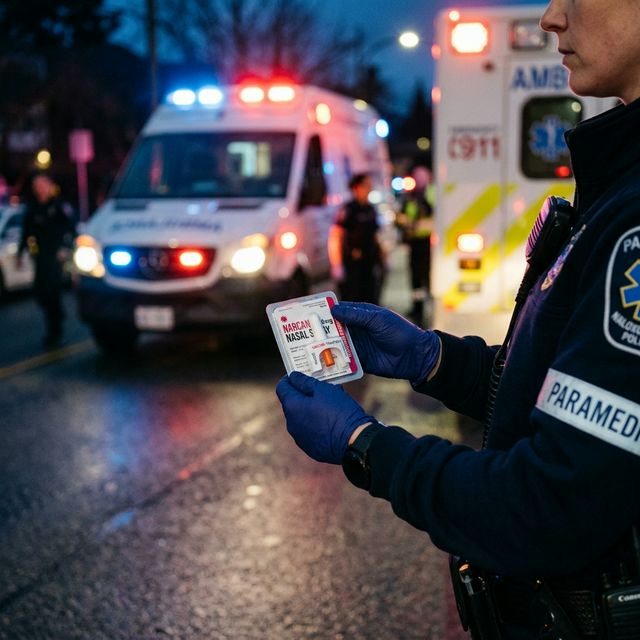
- Naloxone reverses the opioid component of an overdose but has no effect on benzodiazepines, alcohol, or stimulants. If multiple substances are involved, naloxone may partially reverse symptoms but additional medical treatment is still essential. Always call 911.
Sources & References
This article is informed by research and data from the following authoritative sources:

This article is for educational purposes only and should not be considered medical advice. Always consult a qualified healthcare provider before making decisions about addiction treatment. If you or someone you know is in crisis, call SAMHSA's National Helpline: 1-800-662-4357 (free, confidential, 24/7).