Anxiety and Addiction: How They Feed Each Other
Anxiety disorders and substance use disorders frequently occur together. Learn why they overlap, how they reinforce each other, and what integrated treatment looks like.

Anxiety and Addiction Are Closely Connected
Anxiety disorders affect roughly 40 million American adults each year, according to the Anxiety and Depression Association of America. Among people with a substance use disorder, anxiety is one of the most common co-occurring conditions. NIDA estimates that about half of people who experience a mental illness during their lives will also experience a substance use disorder, and vice versa.
The relationship between anxiety and addiction runs in both directions. People with untreated anxiety often turn to drugs or alcohol to quiet their symptoms. Meanwhile, chronic substance use rewires brain circuits that regulate stress, making anxiety worse over time.
Why People With Anxiety Turn to Substances
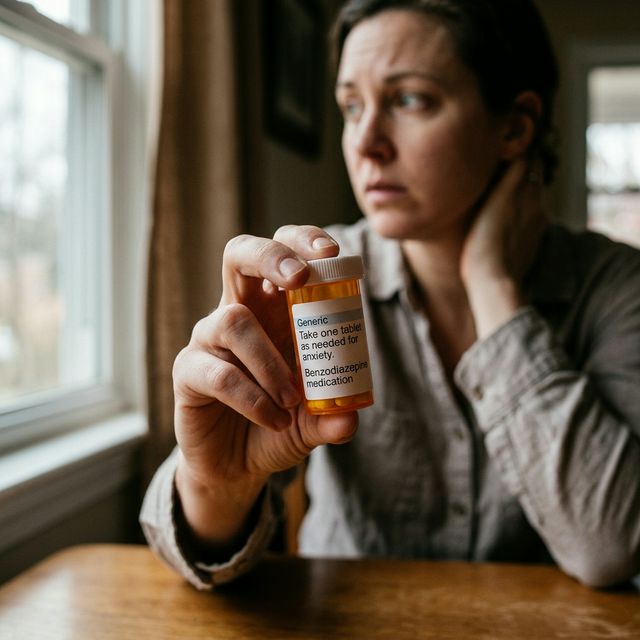
Self-medication is one of the most common drivers of co-occurring anxiety and addiction. A person with panic attacks drinks alcohol before social events. Someone with generalized anxiety uses benzodiazepines beyond their prescription. A veteran with PTSD smokes marijuana to manage hypervigilance.
These strategies work in the short term. Alcohol lowers inhibition. Benzodiazepines quiet a racing mind. Opioids dull emotional pain. But each of these substances causes tolerance, meaning the person needs more over time to get the same relief. The original anxiety gets worse, not better.
The National Institute on Drug Abuse reports that people with anxiety disorders are roughly twice as likely to develop a substance use disorder compared to the general population.
How Substance Use Worsens Anxiety
Drugs and alcohol change the brain's stress response system. Chronic use disrupts the hypothalamic-pituitary-adrenal (HPA) axis, which controls cortisol production. When the substance wears off, the brain rebounds with heightened anxiety, panic, and hypervigilance.
- Alcohol withdrawal causes severe anxiety, tremors, and in serious cases, seizures
- Stimulant comedowns trigger paranoia, racing thoughts, and panic attacks
- Opioid withdrawal produces intense restlessness, agitation, and dread
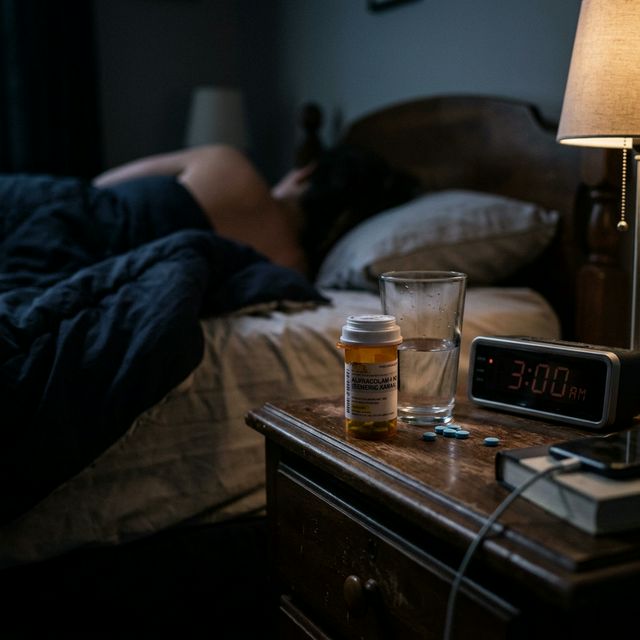
- Benzodiazepine withdrawal can cause rebound anxiety far worse than the original condition
This creates a vicious cycle: use the substance to relieve anxiety, develop tolerance, experience worse anxiety during withdrawal, use more to cope.
Common Anxiety Disorders That Co-Occur With Addiction
Generalized Anxiety Disorder (GAD)
Persistent, excessive worry about everyday situations. People with GAD frequently use alcohol, benzodiazepines, or marijuana to quiet constant racing thoughts.
Social Anxiety Disorder
Intense fear of social situations. Alcohol is the most commonly used substance to manage social anxiety, which is why alcohol use disorder and social anxiety overlap so frequently.
Panic Disorder
Recurrent, unexpected panic attacks. Benzodiazepines provide fast relief but carry high addiction potential. Stimulant withdrawal can also trigger panic episodes.
Post-Traumatic Stress Disorder (PTSD)
Trauma-related hypervigilance, flashbacks, and emotional numbness. PTSD and substance use disorder co-occur in roughly 46% of cases, according to the National Center for PTSD. Alcohol, opioids, and marijuana are the most commonly used substances.
Integrated Treatment Is the Standard of Care
Treating anxiety and addiction separately does not work well. If the anxiety goes untreated, relapse risk stays high. If the addiction goes untreated, anxiety medications may be misused. The gold standard is integrated treatment that addresses both conditions at the same time.
- Cognitive Behavioral Therapy (CBT) teaches skills to identify and change anxious thought patterns without substances
- Exposure therapy gradually reduces avoidance behaviors that maintain both anxiety and substance use
- Non-addictive medications like SSRIs, SNRIs, buspirone, and hydroxyzine treat anxiety without dependence risk
- Dual diagnosis programs provide coordinated care from professionals trained in both disorders
- Mindfulness and relaxation techniques offer drug-free tools for managing acute anxiety episodes
Taking the First Step
If anxiety is driving your substance use, or if substance use is making your anxiety worse, integrated treatment can break the cycle. You do not need to choose between treating one and ignoring the other. Call SAMHSA at 1-800-662-4357 for free, confidential referrals to dual-diagnosis treatment programs near you.
Frequently Asked Questions
- Which comes first, anxiety or addiction?
- Either can come first. Some people develop anxiety before they ever use substances and turn to drugs or alcohol to self-medicate. Others develop anxiety as a consequence of chronic substance use or withdrawal. In many cases, both conditions develop and escalate simultaneously.
- Can anxiety go away after quitting drugs or alcohol?
- Substance-induced anxiety often improves significantly within weeks to months of sustained sobriety. However, if a pre-existing anxiety disorder was present before substance use began, professional treatment (therapy and possibly medication) is usually needed. A thorough evaluation after a period of sobriety helps determine whether the anxiety is independent or substance-induced.
- Is it safe to take anxiety medication if you have a history of addiction?
- Yes. Non-addictive anxiety medications like SSRIs (sertraline, escitalopram), SNRIs (venlafaxine, duloxetine), buspirone, and hydroxyzine are safe for people with addiction history. Benzodiazepines should generally be avoided due to their abuse potential. Always disclose your full substance use history to your prescribing physician.
- What is dual diagnosis treatment?
- Dual diagnosis treatment is an integrated approach that addresses both a mental health disorder and a substance use disorder at the same time. It combines behavioral therapies like CBT with appropriate medication management, peer support, and relapse prevention strategies. Research shows that integrated treatment produces better outcomes than treating either condition alone.
Sources & References
This article is informed by research and data from the following authoritative sources:

This article is for educational purposes only and should not be considered medical advice. Always consult a qualified healthcare provider before making decisions about addiction treatment. If you or someone you know is in crisis, call SAMHSA's National Helpline: 1-800-662-4357 (free, confidential, 24/7).