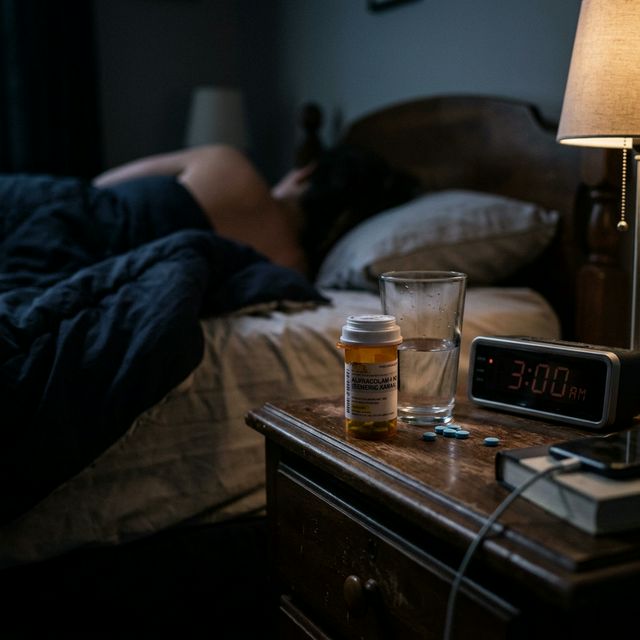
Benzodiazepine Addiction: Risks, Withdrawal, and Treatment
Benzodiazepine dependence develops quickly and withdrawal can be fatal. Learn the risks, recognize addiction signs, and understand safe treatment options.
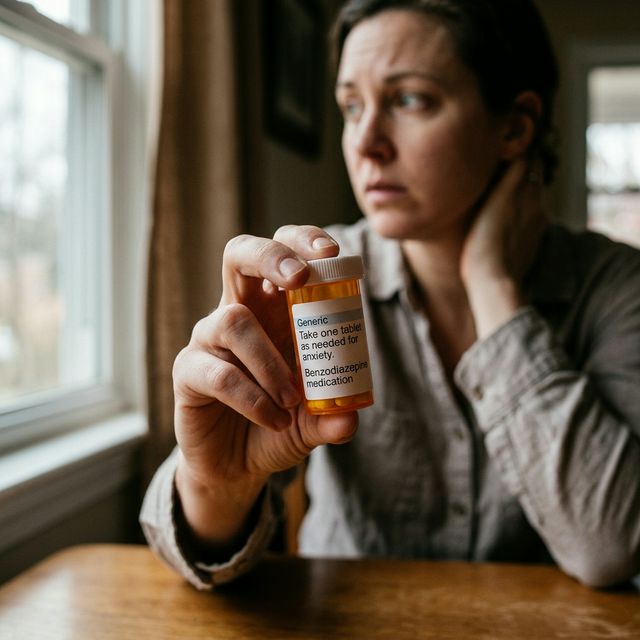
Benzodiazepine Use Has Surged
Benzodiazepines (benzos) are central nervous system depressants prescribed for anxiety, panic disorder, insomnia, seizures, and muscle relaxation. Common benzodiazepines include alprazolam (Xanax), diazepam (Valium), lorazepam (Ativan), and clonazepam (Klonopin).
Prescriptions for benzodiazepines increased by 67% between 1996 and 2013. Over 30 million Americans use benzodiazepines annually. While effective for short-term use, physical dependence develops in as little as 2-4 weeks of daily use.
How Benzodiazepines Work
Benzos enhance the effect of gamma-aminobutyric acid (GABA), the brain's primary inhibitory neurotransmitter. By boosting GABA activity, they slow neural firing, producing sedation, muscle relaxation, and anxiety relief. Over time, the brain reduces its own GABA production, creating dependence.
Signs of Benzodiazepine Addiction
- Taking higher doses than prescribed or using more frequently
- Running out of prescriptions before the refill date
- Intense anxiety or panic when unable to obtain the medication
- Doctor shopping for multiple prescriptions
- Drowsiness, confusion, and slurred speech
- Memory problems and blackouts
- Social withdrawal and loss of interest in activities
- Using benzos in combination with alcohol or opioids
Why Benzodiazepine Withdrawal Is Dangerous
Benzodiazepine withdrawal can cause life-threatening seizures. When the brain adjusts to constant GABA enhancement and the drug is suddenly removed, neural excitability rebounds uncontrollably. This is similar to alcohol withdrawal and carries the same seizure risk.
Withdrawal Symptoms
- Severe anxiety and panic attacks
- Insomnia and sleep disturbances
- Tremors and muscle tension
- Seizures (potentially fatal)
- Perceptual disturbances (light sensitivity, tinnitus)
- Depersonalization and derealization
- Cognitive difficulties and memory impairment
- Nausea, headaches, and sweating
The FDA added a boxed warning to all benzodiazepines in 2020, highlighting the risks of abuse, addiction, physical dependence, and potentially life-threatening withdrawal reactions.
Protracted Withdrawal Syndrome
Some people experience withdrawal symptoms for months or even years after stopping benzodiazepines. This protracted withdrawal syndrome includes waves of anxiety, insomnia, cognitive difficulty, and sensory sensitivity. While distressing, symptoms gradually improve over time.
Safe Treatment for Benzodiazepine Addiction
Medical Taper
The standard treatment is a gradual, medically supervised dose reduction. Doctors typically switch patients to a longer-acting benzodiazepine (such as diazepam) and reduce the dose by 10-25% every 1-2 weeks. The entire taper may take weeks to months depending on the duration and dose of prior use.
Supportive Medications
- Anticonvulsants (carbamazepine, gabapentin) help prevent seizures
- Antidepressants (SSRIs) address co-occurring anxiety and depression
- Hydroxyzine and buspirone provide non-addictive anxiety relief
Behavioral Therapy
CBT for anxiety and insomnia addresses the conditions that led to benzodiazepine use in the first place. Mindfulness-based stress reduction and relaxation training provide drug-free anxiety management tools.
The Dangers of Mixing Benzos with Other Substances
Combining benzodiazepines with opioids or alcohol multiplies the risk of fatal respiratory depression. The CDC reports that benzodiazepines are involved in roughly 16% of opioid overdose deaths. Never combine depressant substances.
Frequently Asked Questions
- How quickly do you become dependent on benzodiazepines?
- Physical dependence on benzodiazepines develops in as few as 2-4 weeks of daily use. Some individuals develop tolerance and dependence even faster, particularly with high-potency, short-acting benzos like alprazolam (Xanax). Duration of use is a stronger predictor of dependence than dose.
- Can I stop taking benzodiazepines cold turkey?
- No. Abruptly stopping benzodiazepines after regular use is medically dangerous and can trigger life-threatening seizures. Always taper under medical supervision. A gradual dose reduction over weeks to months is the safe approach.
- Are benzodiazepines more dangerous than opioids?
- Both carry serious risks. Benzodiazepine withdrawal can be fatal (unlike opioid withdrawal), but opioids cause more overdose deaths overall. The greatest danger is combining them, which the FDA specifically warns against due to the risk of fatal respiratory depression.
- What are safer alternatives to benzodiazepines for anxiety?
- Evidence-based alternatives include SSRIs and SNRIs, buspirone, hydroxyzine, cognitive behavioral therapy for anxiety, mindfulness-based stress reduction, and regular exercise. These options are effective without the dependence risk associated with benzodiazepines.
Sources & References
This article is informed by research and data from the following authoritative sources:

This article is for educational purposes only and should not be considered medical advice. Always consult a qualified healthcare provider before making decisions about addiction treatment. If you or someone you know is in crisis, call SAMHSA's National Helpline: 1-800-662-4357 (free, confidential, 24/7).