recovery
Support Groups: Finding Community in Recovery
Support groups provide connection and accountability in recovery. Explore different types and find the right fit for you.
Evidence-based strategies for getting clean, building a support system, preventing relapse, and creating a fulfilling life in sobriety.
More than 20 million Americans are living in recovery from a substance use disorder, according to SAMHSA. Recovery is not just about stopping substance use — it's about building a new life where it is easier not to use. Research shows that the longer a person stays in recovery, the lower their risk of relapse becomes.
The National Institute on Drug Abuse identifies several key components of successful long-term recovery: professional treatment, medication when appropriate, peer support, healthy lifestyle changes, and ongoing aftercare. No single path works for everyone — the guides below explore proven strategies for building a recovery that lasts.
Whether you're just starting your recovery journey or supporting a loved one, these evidence-based resources provide practical guidance informed by clinical research and real-world experience.
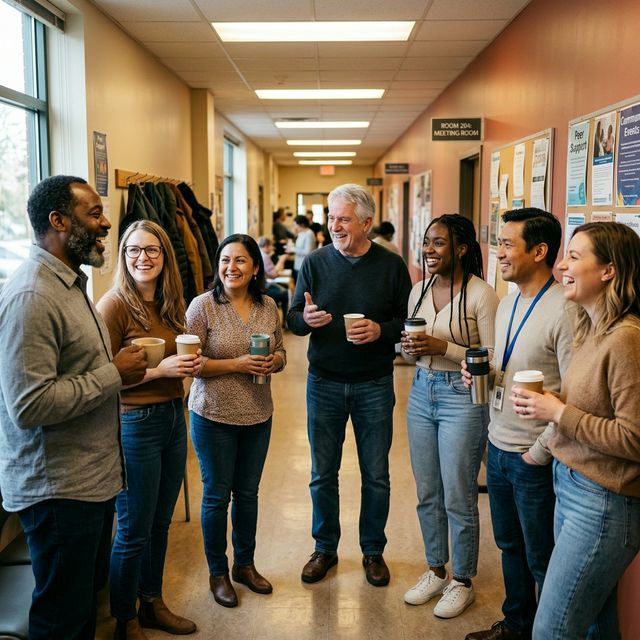
Recovery thrives in community. Programs like AA, NA, SMART Recovery, and peer recovery coaching connect you with people who understand your experience and offer accountability.
Continued individual and group therapy helps address underlying trauma, develop coping skills, and manage triggers. CBT, DBT, and motivational interviewing are all evidence-based options.
Physical exercise, nutrition, quality sleep, and mindfulness practices all support brain recovery. Studies show regular exercise reduces cravings and improves mood during recovery.
A structured aftercare plan — including ongoing counseling, support group attendance, sober living, and relapse prevention strategies — is the single strongest predictor of long-term sobriety.
Support groups provide connection and accountability in recovery. Explore different types and find the right fit for you.

Starting your recovery journey can feel overwhelming. This comprehensive guide breaks down the process into manageable steps.

Supporting a loved one through addiction recovery is challenging. Learn effective strategies for families and caregivers.
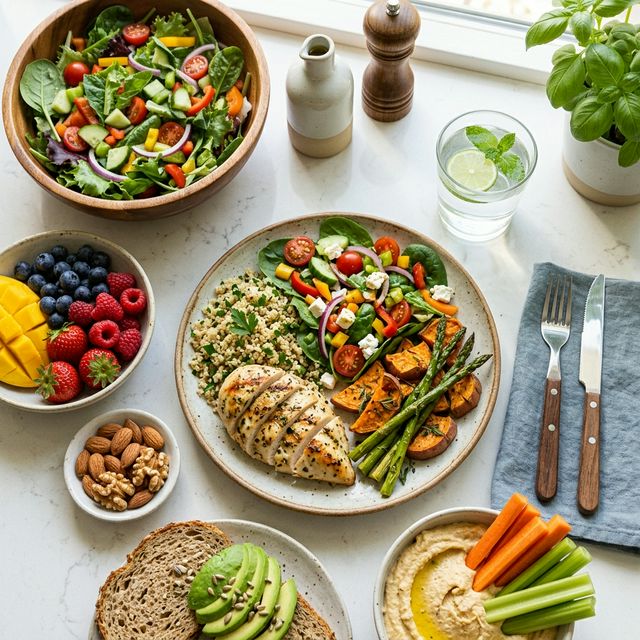
Proper nutrition plays a vital role in addiction recovery. Learn how diet supports physical and mental healing.

Relapse is common but preventable. Learn evidence-based strategies to maintain your sobriety long-term.
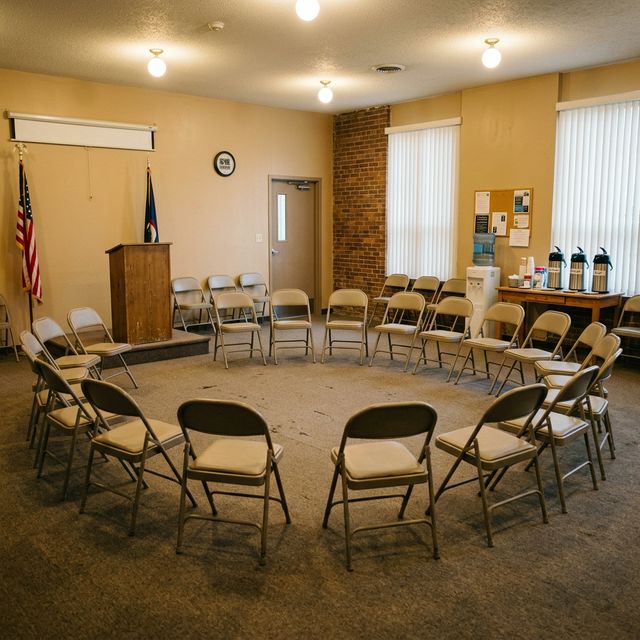
The 12-Step program has helped millions achieve sobriety. Learn about its principles, steps, and how to get started.
Recovery is generally described in five stages: pre-contemplation (not yet recognizing the problem), contemplation (considering change), preparation (planning for change), action (actively engaging in treatment and behavioral change), and maintenance (sustaining sobriety long-term). These stages are not always linear — people may move back and forth between stages. The Transtheoretical Model of Change (Prochaska & DiClemente) provides the clinical foundation for this framework.
Relapse rates for substance use disorders are 40–60%, comparable to relapse rates for other chronic conditions like hypertension (50–70%) and asthma (50–70%). Relapse does not mean treatment has failed. It signals that treatment needs to be adjusted or reinstated. Returning to care quickly after relapse significantly improves long-term outcomes. Many people experience one or more relapses before achieving sustained sobriety.
Recovery is a lifelong process, not a destination. The acute phase of treatment typically lasts 30–90 days, but research from NIDA shows that sustained engagement in aftercare, support groups, and ongoing therapy for 1–5 years significantly improves outcomes. Brain imaging studies show that many addiction-related brain changes continue to reverse over years of sobriety.
Alcoholics Anonymous (AA) and other 12-step programs use a spiritual framework, a sponsor system, and lifelong group participation. SMART Recovery is a science-based alternative that uses cognitive-behavioral techniques and self-empowerment. Both are effective — research suggests the best program is the one you will attend consistently. Many people participate in both simultaneously.
Some people achieve recovery without formal inpatient treatment, particularly those with mild substance use disorders, strong social support, and no co-occurring mental health conditions. Outpatient therapy, medication-assisted treatment, and support groups provide effective alternatives. However, moderate to severe SUD, dangerous withdrawal risks (alcohol, benzodiazepines), and co-occurring disorders typically require professional treatment for safety.
Educate yourself about addiction as a medical condition. Attend family support groups like Al-Anon, Nar-Anon, or CRAFT. Set healthy boundaries while expressing love and support. Avoid enabling behaviors (covering for them, providing money to use). Participate in family therapy when offered. Recognize that recovery is their journey — you can support it, but you cannot control it.
All content on this page is informed by peer-reviewed research and recovery resources from these organizations.
Research-based guide on evidence-based treatment and recovery principles
Federal resources on recovery support services
International 12-step fellowship for alcohol recovery
Science-based mutual support for behavioral change
Resources for co-occurring mental health and substance use disorders
SAMHSA's National Helpline provides free, confidential support and treatment referrals 24/7. You don't have to do this alone.
Call 1-800-662-4357