The 12-Step Program: A Complete Guide
The 12-Step program has helped millions achieve sobriety. Learn about its principles, steps, and how to get started.
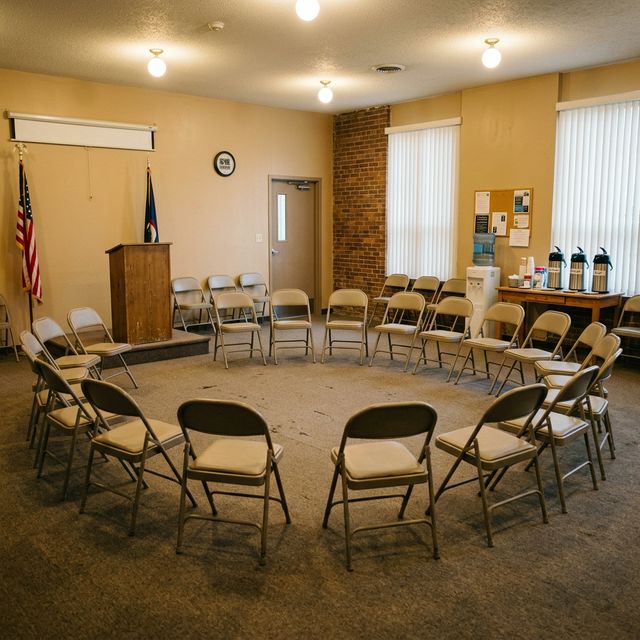
What is the 12-Step Program?
The 12-Step program is a set of guiding principles for recovery from addiction, originally developed by Alcoholics Anonymous (AA) in 1935 by co-founders Bill Wilson and Dr. Bob Smith. What began as a small fellowship of alcoholics has grown into the most widely available mutual aid recovery model in the world, with over 125,000 AA groups in 180 countries and adaptations for virtually every form of addiction and compulsive behavior.
A 2020 Cochrane systematic review — the gold standard of evidence review — concluded that AA and 12-Step facilitation programs are as effective or more effective than other clinical interventions such as CBT for achieving sustained abstinence from alcohol. This was a landmark finding that put decades of debate to rest.
The 12 Steps Explained
Steps 1–3: Surrender and Foundation
- Step 1: "We admitted we were powerless over alcohol — that our lives had become unmanageable." This step is about honesty: recognizing that self-will alone has not worked
- Step 2: "Came to believe that a Power greater than ourselves could restore us to sanity." This step introduces the concept of a higher power — defined however the individual understands it
- Step 3: "Made a decision to turn our will and our lives over to the care of God as we understood Him." This step is about willingness to try a new approach to life
Steps 4–7: Self-Examination and Transformation
- Step 4: "Made a searching and fearless moral inventory of ourselves." A written examination of resentments, fears, and harms
- Step 5: "Admitted to God, to ourselves, and to another human being the exact nature of our wrongs." Sharing the inventory with a trusted person (usually a sponsor)
- Step 6: "Were entirely ready to have God remove all these defects of character." Willingness to change ingrained patterns
- Step 7: "Humbly asked Him to remove our shortcomings." Actively working on personal growth
Steps 8–9: Making Amends
- Step 8: "Made a list of all persons we had harmed, and became willing to make amends to them all." Identifying the damage done during active addiction
- Step 9: "Made direct amends to such people wherever possible, except when to do so would injure them or others." Taking responsibility through action, with careful consideration of consequences
Steps 10–12: Maintenance and Service
- Step 10: "Continued to take personal inventory and when we were wrong promptly admitted it." Ongoing self-awareness and accountability
- Step 11: "Sought through prayer and meditation to improve our conscious contact with God as we understood Him." Spiritual practice in whatever form resonates
- Step 12: "Having had a spiritual awakening as the result of these Steps, we tried to carry this message to alcoholics, and to practice these principles in all our affairs." Service to others in recovery
The "Higher Power" Concept
One of the most common misconceptions about 12-Step programs is that they are religious. While AA's history includes Christian influences, the program explicitly uses the phrase "God as we understood Him" — leaving the definition entirely to the individual. Common higher power concepts include:
- The recovery group itself ("Group Of Drunks" = G.O.D.)
- Nature, the universe, or the natural order
- Love, compassion, or human connection
- A traditional religious deity
- The principles of the program
Many atheists and agnostics participate successfully. There are also specifically agnostic/atheist AA meetings available in most major cities and online.
Key Elements of 12-Step Recovery
Meetings
The foundation of the program. Meeting formats include speaker meetings (one person shares their story), discussion meetings (open topic discussion), Big Book study (reading and discussing AA's primary text), and step study (working through the 12 Steps together). Most areas offer meetings daily, including morning, afternoon, and evening options.
Sponsorship
A sponsor is a more experienced member who guides a newer member through the Steps. The sponsor-sponsee relationship provides mentorship, accountability, and a trusted person to call during difficult moments. Having a sponsor is strongly recommended but not required.
Service
Service work — making coffee, greeting newcomers, chairing meetings, sponsoring others — is considered essential to recovery. The principle is that helping others strengthens one's own sobriety.
Fellowship
The social connections formed through meetings, coffee after meetings, sober events, and recovery community activities provide the human connection that is central to healing from addiction.
12-Step Adaptations for Other Addictions
- Narcotics Anonymous (NA): All substances. The largest non-alcohol 12-Step fellowship
- Cocaine Anonymous (CA): Cocaine and crack cocaine
- Crystal Meth Anonymous (CMA): Methamphetamine
- Gamblers Anonymous (GA): Gambling addiction
- Overeaters Anonymous (OA): Compulsive eating
- Sex Addicts Anonymous (SAA): Sexual compulsivity
- Al-Anon / Nar-Anon: For family members of addicts/alcoholics
Getting Started: Your First Meeting
- Find meetings at aa.org or na.org
- No sign-up, registration, or membership required
- Meetings are free (a small collection may be passed; giving is optional)
- You do not have to speak or identify yourself
- "Open" meetings welcome anyone; "closed" meetings are for those with a desire to stop using
- Arrive a few minutes early to introduce yourself to the chairperson
- Try at least 6 different meetings before deciding if the program is for you
Frequently Asked Questions
- Is AA a religious program?
- No. While AA's origins include Christian influences, the program is explicitly spiritual rather than religious. The phrase 'God as we understood Him' is intentionally open-ended — members define their higher power in whatever way is meaningful to them. Many atheists, agnostics, and people of all faiths participate successfully. Agnostic/atheist AA meetings exist in most major cities and online. AA has no affiliation with any religion, church, or denomination.
- What is the success rate of 12-Step programs?
- A landmark 2020 Cochrane Review found that AA and 12-Step facilitation programs are as effective or more effective than other established treatments like CBT for achieving continuous abstinence. Studies show that active, consistent participation (attending meetings, having a sponsor, working the Steps) correlates strongly with sustained sobriety. AA's own surveys indicate that about 27% of members have been sober 1–5 years, and 36% have been sober more than 10 years.
- Do I have to complete all 12 Steps?
- There is no requirement or timeline for completing the Steps. Many people find significant benefit from just attending meetings and building connections, even without formally working through all 12 Steps. That said, members who work the Steps with a sponsor tend to have better long-term outcomes. The Steps are designed to be worked at your own pace — some people take months, others take years. Some people revisit Steps multiple times.
- Can I attend 12-Step meetings while taking medication (MAT)?
- Yes. AA World Services and NA World Services have both issued statements affirming that members who take prescribed medications are practicing the 12-Step program. However, some individual meetings or members may express stigma about medication-assisted treatment. If you encounter this, try different meetings — attitudes vary widely. Your medication decisions should be made with your doctor, not meeting members.
Sources & References
This article is informed by research and data from the following authoritative sources:

This article is for educational purposes only and should not be considered medical advice. Always consult a qualified healthcare provider before making decisions about addiction treatment. If you or someone you know is in crisis, call SAMHSA's National Helpline: 1-800-662-4357 (free, confidential, 24/7).