What Is Harm Reduction? Strategies That Save Lives
Harm reduction meets people where they are. Learn what harm reduction means, which strategies save the most lives, and why major health organizations support this approach.

Harm Reduction Defined
Harm reduction is a set of practical strategies that reduce the negative consequences of drug use without requiring abstinence as a precondition. It recognizes that not everyone is ready or able to stop using drugs immediately, and that keeping people alive and healthy is the first priority.
Major health organizations including the World Health Organization, the CDC, and SAMHSA endorse harm reduction as an essential component of public health. This approach does not replace treatment. It keeps the door open to treatment by keeping people alive long enough to access it.
Core Principles of Harm Reduction
- Pragmatism over ideology: Focus on measurable outcomes (fewer overdoses, fewer infections, fewer deaths) rather than moral judgments about drug use
- Meeting people where they are: Services are provided without requiring sobriety, abstinence pledges, or other preconditions
- Reducing risk on a spectrum: Any step that reduces harm counts, whether that means using a fentanyl test strip, switching from injection to a safer route, or reducing the frequency of use
- Respect and dignity: People who use drugs are treated as human beings deserving of care, not as problems to be fixed
- Evidence-based: Every major harm reduction strategy is supported by peer-reviewed research
Harm Reduction Strategies That Save Lives
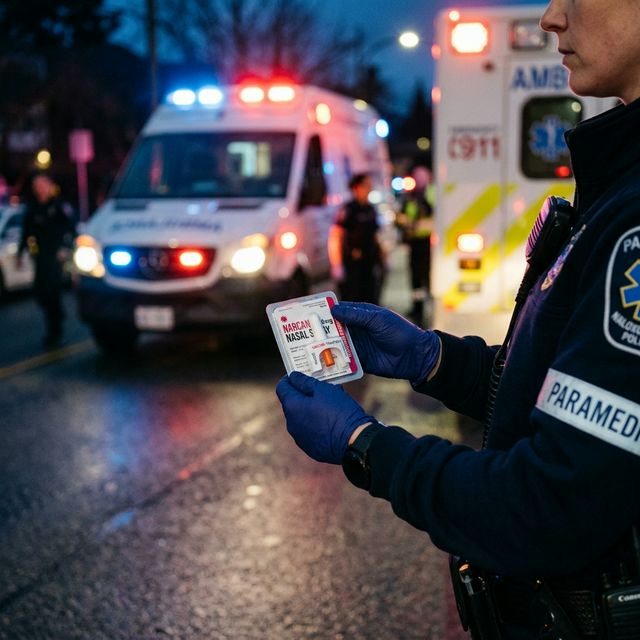
Naloxone (Narcan) Distribution
Naloxone is a medication that reverses opioid overdose within minutes. It is available without a prescription at most pharmacies and through community distribution programs. The CDC estimates that naloxone has reversed over 26,500 overdoses from 1996 to 2014 through community programs alone. That number has grown dramatically since.
If you or someone you know uses opioids, carry naloxone. It has no abuse potential and no effect on people who have not used opioids. Learn how to recognize overdose signs and respond.
Fentanyl Test Strips
Fentanyl test strips detect the presence of fentanyl in drug samples before use. They cost about $1 each and take two minutes to use. The DEA reports that 6 out of 10 counterfeit pills contain a potentially lethal dose of fentanyl. Test strips give people the information they need to avoid accidental overdose.
Syringe Service Programs (SSPs)
SSPs provide sterile injection equipment, safe disposal of used needles, and connections to treatment. The CDC confirms that SSPs reduce HIV transmission by up to 50% and do not increase drug use in the communities where they operate. Many SSPs also provide wound care, testing for HIV and hepatitis C, and direct referrals to medication-assisted treatment.
Medication-Assisted Treatment (MAT)
MAT using buprenorphine, methadone, or naltrexone is itself a harm reduction strategy. It stabilizes brain chemistry, reduces cravings, prevents withdrawal, and cuts overdose death rates by more than 50%. MAT allows people to maintain employment, restore relationships, and engage in further recovery work.
Supervised Consumption Sites
These facilities allow people to use pre-obtained drugs under medical supervision. No fatal overdose has ever occurred at a supervised consumption site. They exist in Canada, Europe, and Australia, and the first sanctioned U.S. sites opened in New York City in 2021. Research consistently shows that they reduce overdose deaths without increasing drug use or crime in surrounding areas.
A 2023 review in the International Journal of Drug Policy found that supervised consumption sites achieved zero overdose deaths across more than 100 facilities worldwide, while also increasing entry into addiction treatment programs.
What Harm Reduction Is Not
Harm reduction is not pro-drug. It does not encourage substance use. It does not replace treatment or recovery support. It is a public health strategy that reduces death, disease, and suffering while people are still using drugs. Many people who access harm reduction services eventually enter treatment on their own terms.
Finding Harm Reduction Services
SAMHSA's treatment locator includes harm reduction programs. The National Harm Reduction Coalition maintains a directory of local SSPs and naloxone distribution programs at harmreduction.org. Your local health department can also connect you with services in your area.
Frequently Asked Questions
- Does harm reduction enable drug use?
- No. Research consistently shows that harm reduction does not increase drug use. Syringe service programs, naloxone distribution, and supervised consumption sites all reduce death and disease without encouraging greater substance use. Many people who access harm reduction services eventually enter treatment voluntarily.
- Is naloxone (Narcan) available without a prescription?
- Yes. Naloxone is available over the counter at most pharmacies in the United States. Many community organizations and health departments also distribute it for free. The FDA approved over-the-counter Narcan nasal spray in 2023. No medical training is required to administer it.
- Do fentanyl test strips work?
- Fentanyl test strips are effective at detecting the presence of fentanyl and most fentanyl analogs in drug samples. They are over 96% accurate. However, they cannot measure the amount of fentanyl present or detect every synthetic opioid. They are one tool in a broader harm reduction toolkit, not a guarantee of safety.
- Where can I get free naloxone?
- Free naloxone is available through many state health departments, community organizations, and harm reduction programs. SAMHSA maintains a list of naloxone distribution programs. You can also ask at your local pharmacy, as many participate in standing-order or distribution programs funded by state health agencies.
Sources & References
This article is informed by research and data from the following authoritative sources:

This article is for educational purposes only and should not be considered medical advice. Always consult a qualified healthcare provider before making decisions about addiction treatment. If you or someone you know is in crisis, call SAMHSA's National Helpline: 1-800-662-4357 (free, confidential, 24/7).