Recognizing Drug Overdose Signs and How to Respond
Knowing the signs of a drug overdose saves lives. Learn how to recognize overdose symptoms for different substances and respond effectively.
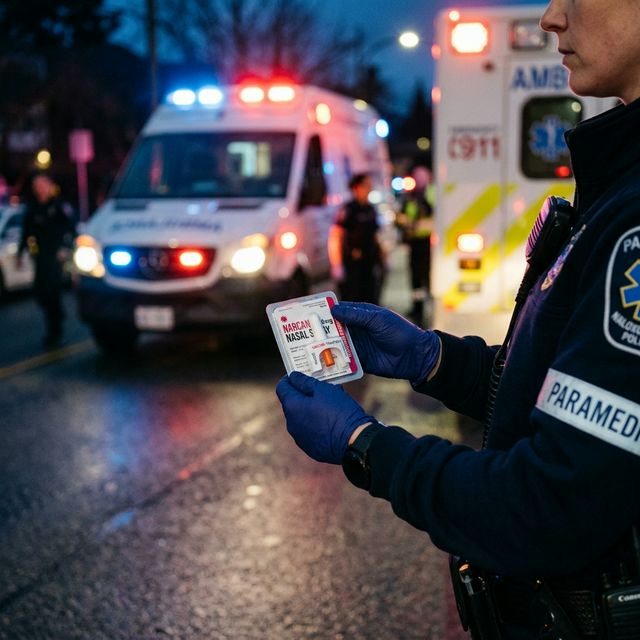
Drug Overdoses Kill Over 100,000 Americans Each Year
In 2022, more than 107,000 people died from drug overdoses in the United States. That is roughly one death every five minutes. The majority of these deaths involved opioids, particularly illicitly manufactured fentanyl.
Many overdose deaths are preventable. Recognizing the signs early and responding quickly with naloxone and emergency medical care saves lives. Every person who spends time around someone who uses drugs should know these signs.
Opioid Overdose Signs
Opioid overdoses (heroin, fentanyl, prescription painkillers) are the most common type of fatal overdose. Signs include:
- Extremely slow, shallow, or stopped breathing
- Choking sounds or a gurgling/snoring noise
- Blue or grayish skin, especially on lips and fingertips (cyanosis)
- Pinpoint (extremely small) pupils
- Limp body and inability to be woken up
- Pale, cold, or clammy skin
- Slow or absent pulse
Stimulant Overdose Signs
Cocaine and methamphetamine overdoses present differently from opioids:
- Chest pain or tightness
- Racing or irregular heartbeat
- Extremely high body temperature (overheating)
- Severe agitation, paranoia, or panic
- Seizures or convulsions
- Difficulty breathing
- Loss of consciousness
Alcohol Overdose (Alcohol Poisoning)
- Mental confusion or stupor
- Vomiting while unconscious
- Seizures
- Slow or irregular breathing (fewer than 8 breaths per minute)
- Hypothermia (low body temperature) and blue-tinged skin
- Unconsciousness with inability to be woken
How to Respond to a Drug Overdose
Follow these steps if you suspect someone is overdosing:
- Call 911 immediately. State that someone is unresponsive and not breathing (or breathing abnormally). Give the location.
- Administer naloxone if available and opioid overdose is suspected. Use the nasal spray or injectable form as directed. A second dose may be needed after 2-3 minutes if there is no response.
- Perform rescue breathing if the person is not breathing. Tilt the head back, lift the chin, and give one breath every 5 seconds.
- Place in the recovery position. Turn the person on their side with the top knee bent forward. This prevents choking on vomit.
- Stay with them until emergency medical services arrive.
Good Samaritan laws in most states protect people who call 911 during an overdose from drug-related criminal charges. Do not let fear of legal consequences stop you from calling for help.
Naloxone (Narcan) Saves Lives
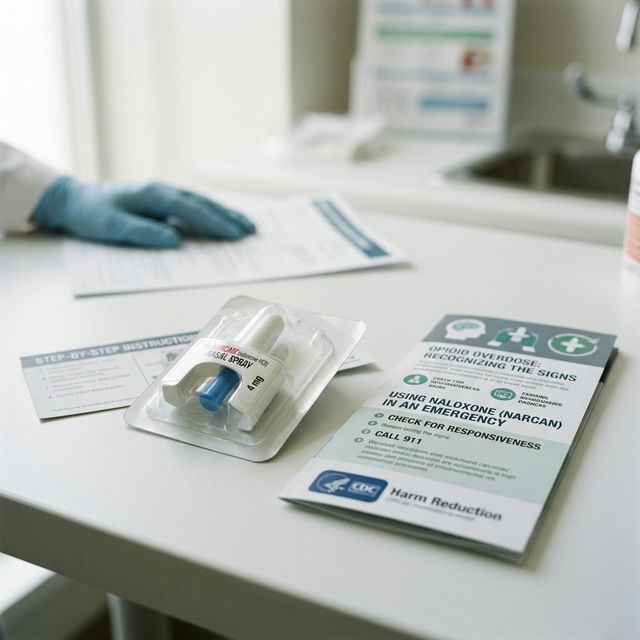
Naloxone is an opioid antagonist that reverses the effects of opioid overdose within 2-5 minutes. It has no effect on non-opioid overdoses and no potential for abuse. Naloxone is available without a prescription at most pharmacies across the United States.
The nasal spray formulation (Narcan) requires no medical training to administer. Community naloxone distribution programs have prevented tens of thousands of overdose deaths since their introduction.
Preventing Overdose
- Never use drugs alone
- Start with a small test dose, especially with a new supply
- Avoid mixing substances (opioids + benzos, opioids + alcohol)
- Use fentanyl test strips to check for contamination
- Carry naloxone and teach those around you how to use it
- After a period of abstinence (jail, rehab, hospital), tolerance drops. The dose you used before could be fatal.
Frequently Asked Questions
- Can I get in trouble for calling 911 during an overdose?
- Most states have Good Samaritan laws that protect people who seek emergency help during an overdose from drug possession charges. The specifics vary by state, but saving a life should always take priority.
- How do I get naloxone (Narcan)?
- Naloxone is available without a prescription at most pharmacies nationwide. Many community organizations distribute it for free. Ask your pharmacist for naloxone, or contact your local health department for free distribution programs.
- Is it possible to survive a fentanyl overdose?
- Yes, if medical help and naloxone are provided quickly. Multiple doses of naloxone may be required because fentanyl is extremely potent. Call 911 and administer naloxone as fast as possible for the best chance of survival.
- What should I NOT do during an overdose?
- Do not put the person in a cold bath, inject them with stimulants, slap them, or try to make them vomit. These actions do not reverse an overdose and waste precious time. Call 911 and administer naloxone.
Sources & References
This article is informed by research and data from the following authoritative sources:

This article is for educational purposes only and should not be considered medical advice. Always consult a qualified healthcare provider before making decisions about addiction treatment. If you or someone you know is in crisis, call SAMHSA's National Helpline: 1-800-662-4357 (free, confidential, 24/7).