Fentanyl: Dangers, Effects, and Recovery Options
Fentanyl is 50 to 100 times more potent than morphine. Learn why it has become the leading cause of overdose deaths and what treatment options exist.
Fentanyl Is Driving the Overdose Crisis
Fentanyl is a synthetic opioid 50 to 100 times more potent than morphine. Originally developed for managing severe pain in cancer patients, illicitly manufactured fentanyl now accounts for the majority of overdose deaths in the United States. In 2022, synthetic opioids (primarily fentanyl) were involved in over 73,000 deaths, according to CDC data.
A lethal dose of fentanyl is approximately 2 milligrams, small enough to fit on the tip of a pencil. This extreme potency makes accidental overdose a constant risk, especially when fentanyl is mixed into other drugs without the user's knowledge.
How Fentanyl Affects Your Body
Fentanyl binds to opioid receptors in the brain that control pain and emotions. It triggers a massive release of dopamine, producing intense euphoria and sedation. At higher doses, it suppresses the brain's ability to regulate breathing.
Immediate Effects
- Intense but short-lived euphoria
- Extreme drowsiness and sedation
- Nausea and vomiting
- Confusion and impaired judgment
- Constricted pupils
- Respiratory depression (slowed or stopped breathing)
Long-term Consequences
- Rapid physical dependence (within days of regular use)
- Severe tolerance requiring escalating doses
- Chronic constipation and gastrointestinal damage
- Hormonal disruption affecting testosterone and estrogen
- Weakened immune function
- Cognitive impairment affecting memory and decision-making
Why Fentanyl Is So Dangerous
Illicitly manufactured fentanyl is mixed into heroin, cocaine, methamphetamine, and counterfeit prescription pills. Users often do not know their drugs contain fentanyl. Even experienced opioid users face overdose risk because fentanyl's potency is unpredictable in street drugs.
The DEA reports that 6 out of 10 counterfeit pills seized by law enforcement contain a potentially lethal dose of fentanyl. Testing every pill or powder is the only way to detect its presence.
Fentanyl Test Strips
Fentanyl test strips are an inexpensive, evidence-based harm reduction tool. They detect fentanyl in drug samples before use, giving people the information needed to avoid accidental overdose. Many states have legalized their distribution.
Recognizing a Fentanyl Overdose
Fentanyl overdose develops rapidly. Look for these signs:
- Extremely slow, shallow, or stopped breathing
- Blue or grayish skin, lips, or fingernails
- Pinpoint pupils
- Limp body and unresponsiveness
- Gurgling or choking sounds
- Cold, clammy skin
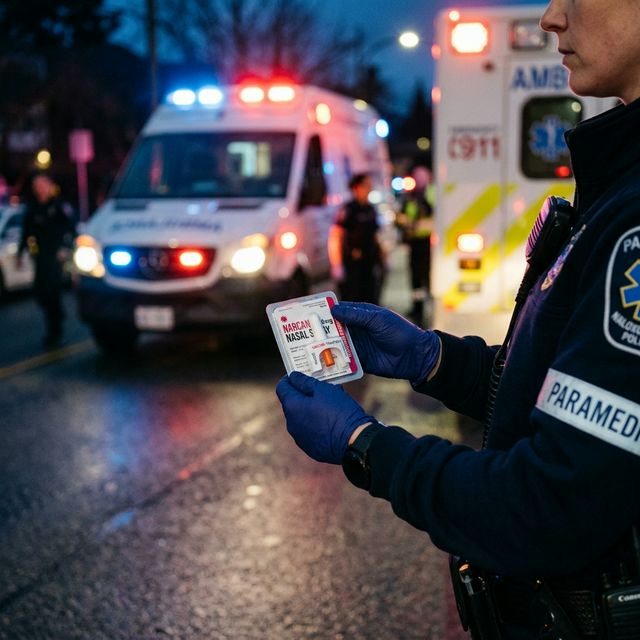
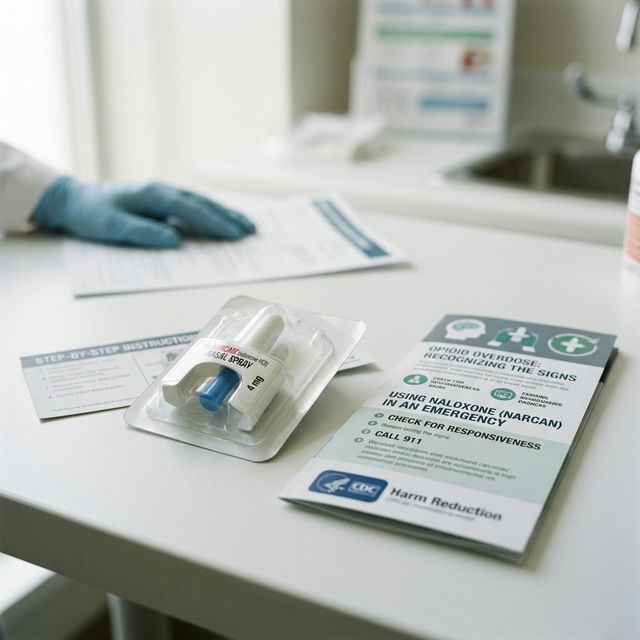
If you suspect an overdose, call 911 immediately. Administer naloxone (Narcan) if available. Multiple doses may be needed because fentanyl is so potent. Place the person in the recovery position and stay until help arrives.
Treatment for Fentanyl Addiction
Medication-Assisted Treatment
MAT is the standard of care for fentanyl addiction. FDA-approved medications include:
- Buprenorphine (Suboxone, Sublocade) reduces cravings and prevents withdrawal without producing a high at appropriate doses
- Methadone stabilizes brain chemistry and blocks the euphoric effects of opioids
- Naltrexone (Vivitrol) blocks opioid receptors entirely, preventing any high if opioids are used
Behavioral Therapies
Cognitive behavioral therapy, contingency management, and individual counseling address the psychological aspects of addiction. Combined with medication, these therapies produce the strongest outcomes for opioid use disorder.
Getting Help for Fentanyl Addiction
Fentanyl addiction is treatable. If you or someone you know is using fentanyl, do not wait for a crisis. Contact SAMHSA at 1-800-662-4357 or visit FindTreatment.gov to locate nearby treatment providers.
Frequently Asked Questions
- How quickly does fentanyl addiction develop?
- Physical dependence on fentanyl develops rapidly, sometimes within days of regular use. The extreme potency means tolerance builds fast, driving users to take higher doses. Even short-term prescribed use requires careful medical monitoring.
- Can you overdose from touching fentanyl?
- Accidental overdose from brief skin contact with fentanyl powder is extremely unlikely according to toxicologists and the American College of Medical Toxicology. Fentanyl is not well absorbed through intact skin. However, ingestion, inhalation, or mucous membrane exposure does carry risk.
- What is the difference between pharmaceutical and illicit fentanyl?
- Pharmaceutical fentanyl is manufactured in precise doses for medical use (patches, lozenges, injections). Illicit fentanyl is produced in unregulated labs with no quality control, meaning each batch varies wildly in potency. This unpredictability drives the overdose crisis.
- How does naloxone (Narcan) reverse a fentanyl overdose?
- Naloxone rapidly binds to opioid receptors, displacing fentanyl and reversing respiratory depression within minutes. Because fentanyl is so potent, multiple doses of naloxone may be necessary. Naloxone is available without a prescription at most pharmacies.
- Is fentanyl withdrawal fatal?
- Fentanyl withdrawal is extremely uncomfortable but rarely fatal on its own. Symptoms include severe muscle pain, diarrhea, vomiting, anxiety, and insomnia. Medical detox with buprenorphine or methadone significantly reduces withdrawal severity.
Sources & References
This article is informed by research and data from the following authoritative sources:

This article is for educational purposes only and should not be considered medical advice. Always consult a qualified healthcare provider before making decisions about addiction treatment. If you or someone you know is in crisis, call SAMHSA's National Helpline: 1-800-662-4357 (free, confidential, 24/7).