Heroin Addiction: Effects, Dangers, and Path to Recovery
Heroin addiction destroys health and lives. Learn how heroin affects the brain, recognize the warning signs, and explore proven treatment programs.

Heroin Addiction Remains a Major Crisis
Heroin is an illicit opioid derived from morphine, which is extracted from the opium poppy. It is typically injected, snorted, or smoked. Approximately 1.1 million Americans aged 12 and older reported using heroin in 2021. While heroin overdose deaths have decreased as fentanyl contamination has shifted the crisis, heroin remains one of the most dangerous and addictive substances.
Heroin produces an intense rush of euphoria followed by hours of drowsy sedation. Injection delivers the drug to the brain within seconds, creating powerful reinforcement for continued use.
How Heroin Affects the Brain and Body
Heroin converts to morphine in the brain, binding to mu-opioid receptors. This triggers a surge of dopamine, producing the characteristic "rush." Repeated use fundamentally changes brain chemistry, reducing natural endorphin production and requiring heroin to prevent painful withdrawal.
Short-term Effects
- Intense euphoria ("rush")
- Dry mouth and flushed skin
- Heavy feeling in arms and legs
- Nausea, vomiting, and severe itching
- Alternating between drowsy and wakeful states ("nodding")
- Impaired mental function and slowed breathing
Long-term Health Consequences
- Collapsed veins and scarred blood vessels from injection
- Bacterial infections of the heart valves (endocarditis)
- Liver and kidney disease
- HIV, hepatitis B, and hepatitis C from shared needles
- Abscesses and soft tissue infections
- Chronic constipation and bowel obstruction
- Lung complications including pneumonia and tuberculosis
- Sexual dysfunction and hormonal imbalances
The Prescription-to-Heroin Pipeline
NIDA reports that about 80% of people who use heroin first misused prescription opioids. As tolerance to prescription pills grows and prescriptions become harder to obtain, heroin offers a cheaper, more accessible alternative. A single dose of heroin costs a fraction of equivalent prescription opioids on the street.
It is important to note that while 80% of heroin users previously misused prescriptions, less than 4% of prescription opioid misusers transition to heroin. Most heroin users represent a population with additional risk factors including early drug use, poverty, and co-occurring mental health conditions.
Signs of Heroin Addiction
- Needle marks (track marks) on arms, legs, or between toes
- Possession of drug paraphernalia (syringes, burnt spoons, small bags)
- Constricted pupils and drooping appearance
- Sudden weight loss and decline in personal hygiene
- Secretive behavior and social withdrawal
- Financial problems, missing valuables, or theft
- Cycles of euphoria followed by flu-like symptoms (withdrawal beginning)
Heroin Overdose
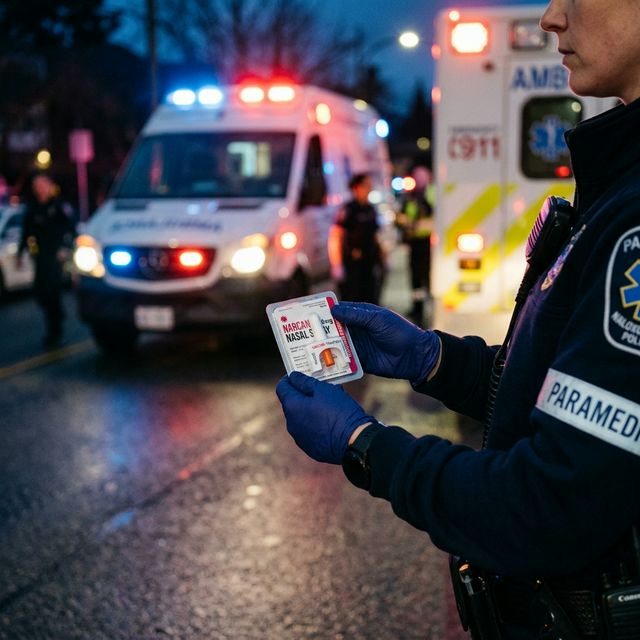
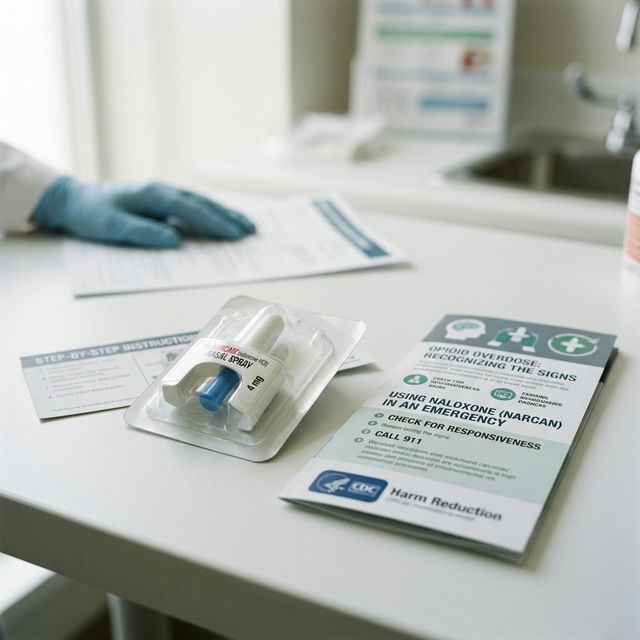
Heroin overdose (often complicated by fentanyl contamination) causes respiratory depression, unconsciousness, and death. Signs include pinpoint pupils, blue lips, slow/stopped breathing, and unresponsiveness. Naloxone (Narcan) reverses opioid overdose and is available without a prescription.
Treatment for Heroin Addiction
Medication-Assisted Treatment
MAT is the most effective treatment for heroin addiction:
- Buprenorphine reduces cravings and withdrawal as a partial opioid agonist
- Methadone provides stable, full agonist treatment through certified clinics
- Naltrexone blocks opioid effects as a monthly injection (Vivitrol)
MAT reduces overdose deaths by over 50%, reduces criminal activity, improves employment, and reduces the spread of infectious diseases. It is endorsed by every major medical organization.
Levels of Care
Treatment typically begins with medical detox, followed by residential or outpatient treatment, and ongoing maintenance with MAT and behavioral therapy. The best outcomes result from at least 90 days of treatment followed by long-term medication and support.
Frequently Asked Questions
- Can people recover from heroin addiction?
- Absolutely. With medication-assisted treatment, behavioral therapy, and ongoing support, many people achieve long-term recovery from heroin addiction. MAT alone reduces overdose deaths by over 50%. Recovery is a process, not an event, and most people benefit from ongoing treatment.
- Is heroin always cut with fentanyl now?
- In many areas, yes. The DEA and CDC report that a majority of heroin seized by law enforcement now contains fentanyl. Users cannot determine whether their heroin contains fentanyl by sight, smell, or taste. Fentanyl test strips are the only reliable detection method available to users.
- Why is heroin so addictive?
- Heroin is extremely addictive because it reaches the brain rapidly (especially when injected), produces an intense euphoric rush, and causes severe physical dependence. The brain adapts quickly, requiring heroin to prevent excruciating withdrawal symptoms. Fear of withdrawal keeps many people trapped in use.
- What does heroin withdrawal feel like?
- Users describe heroin withdrawal as the worst flu imaginable multiplied by ten. Symptoms include severe muscle and bone pain, diarrhea, vomiting, cold sweats, insomnia, and restless legs. The intense cravings are described as an overwhelming physical need. Symptoms peak at 48-72 hours and subside over 5-7 days.
Sources & References
This article is informed by research and data from the following authoritative sources:

This article is for educational purposes only and should not be considered medical advice. Always consult a qualified healthcare provider before making decisions about addiction treatment. If you or someone you know is in crisis, call SAMHSA's National Helpline: 1-800-662-4357 (free, confidential, 24/7).