Prescription Drug Abuse: Risks, Signs, and Treatment
Prescription drug abuse affects millions. Learn which medications carry the highest risk, how to recognize misuse, and where to find treatment.
Prescription Drug Abuse Is a Growing Crisis
Prescription drug misuse affects approximately 16.3 million Americans aged 12 and older each year. Misuse means taking a medication in a way other than prescribed: higher doses, more frequent use, using someone else's prescription, or taking it for the euphoric effects rather than medical need.
Three classes of prescription drugs are most commonly misused: opioid painkillers, central nervous system depressants (benzodiazepines and sedatives), and stimulants (medications for ADHD).
Commonly Misused Prescription Drugs
Opioid Painkillers
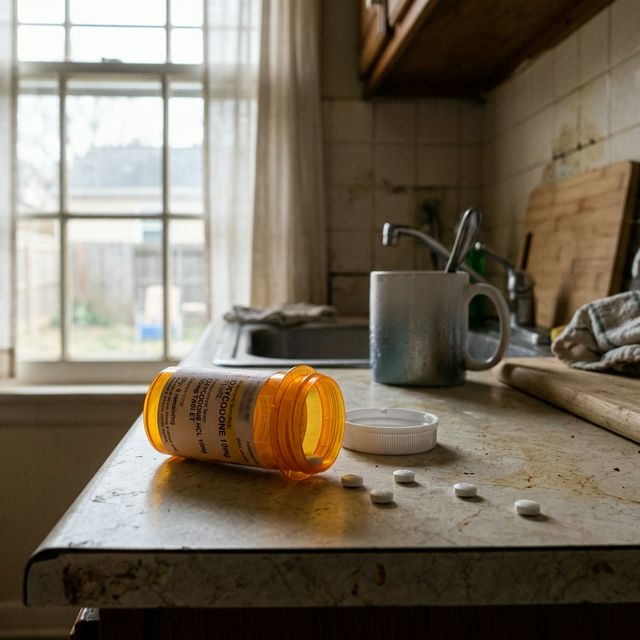
Opioids like oxycodone (OxyContin, Percocet), hydrocodone (Vicodin), codeine, and morphine are prescribed for moderate to severe pain. They carry high addiction potential because they activate the brain's reward system. More than 75% of drug overdose deaths in 2022 involved an opioid.
Benzodiazepines
Medications like alprazolam (Xanax), diazepam (Valium), lorazepam (Ativan), and clonazepam (Klonopin) are prescribed for anxiety and insomnia. Physical dependence develops quickly, often within 2-4 weeks of daily use. Withdrawal from benzodiazepines is medically dangerous.
Stimulants
Amphetamine-based medications (Adderall, Dexedrine) and methylphenidate (Ritalin, Concerta) are prescribed for ADHD and narcolepsy. Misuse is especially common among college students who use them as study aids. At high doses, they carry cardiovascular and psychiatric risks.
Warning Signs of Prescription Drug Misuse
- Taking higher doses than prescribed or using more frequently
- Running out of prescriptions early
- Seeking prescriptions from multiple doctors ("doctor shopping")
- Forging or altering prescriptions
- Hostile or defensive when asked about medication use
- Changes in sleep patterns, energy levels, or personality
- Requesting specific medications by name from healthcare providers
- Stealing or borrowing medications from family or friends
Why Prescription Drugs Are Dangerous When Misused
Many people assume prescription drugs are safer than illicit substances because they are prescribed by doctors. This assumption is wrong. When misused, prescription drugs carry the same risks as their illegal counterparts:
- Opioid painkillers carry the same addiction and overdose risk as heroin
- Benzodiazepine withdrawal causes seizures that are potentially fatal
- Stimulant misuse triggers heart attacks, strokes, and psychosis
- Mixing prescription drugs with alcohol or other substances multiplies the danger
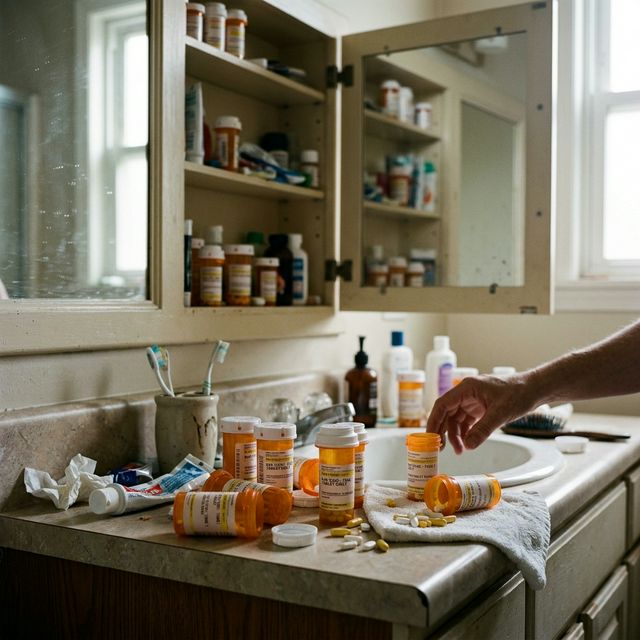
According to NIDA, most people who misuse prescription opioids obtain them from a friend or relative, often from their medicine cabinet. Secure storage and proper disposal of unused medications prevent misuse.
Treatment for Prescription Drug Addiction
Opioid Addiction
Medication-assisted treatment with buprenorphine, methadone, or naltrexone combined with behavioral therapy represents the gold standard. MAT reduces overdose deaths by 50% or more.
Benzodiazepine Addiction
Treatment requires a medically supervised taper. Abrupt cessation is dangerous. Doctors gradually reduce the dose over weeks or months while providing supportive care and therapy.
Stimulant Addiction
Behavioral therapies, particularly contingency management and CBT, are the primary treatments. No FDA-approved medications exist for stimulant use disorder.
Prevention Strategies
- Take medications exactly as prescribed
- Never share prescription medications
- Store medications securely and dispose of unused pills
- Ask your doctor about non-opioid pain management options
- Use prescription drug monitoring programs (PDMPs)
- Discuss risks and alternatives with your prescribing physician
Frequently Asked Questions
- Which prescription drugs are most addictive?
- Opioid painkillers (oxycodone, hydrocodone, fentanyl) carry the highest addiction risk among prescription drugs. Benzodiazepines (Xanax, Valium) and stimulants (Adderall, Ritalin) also have significant misuse and dependence potential.
- How do I safely dispose of unused medications?
- The FDA recommends using drug take-back programs, DEA-authorized collection sites, or disposal kiosks at pharmacies. If none are available, mix medications with coffee grounds or cat litter, seal in a container, and place in household trash. Do not flush unless specifically instructed.
- Can I become addicted to medication my doctor prescribed?
- Yes. Physical dependence develops with regular use of opioids, benzodiazepines, and some other medications even when taken as prescribed. Addiction involves compulsive use despite harm. Communicate openly with your doctor about any concerns.
- What is doctor shopping?
- Doctor shopping is the practice of visiting multiple healthcare providers to obtain multiple prescriptions for controlled substances. Prescription drug monitoring programs (PDMPs) now exist in all 50 states to detect this behavior and coordinate care.
Sources & References
This article is informed by research and data from the following authoritative sources:

This article is for educational purposes only and should not be considered medical advice. Always consult a qualified healthcare provider before making decisions about addiction treatment. If you or someone you know is in crisis, call SAMHSA's National Helpline: 1-800-662-4357 (free, confidential, 24/7).