Kratom Addiction: Effects, Risks, and Treatment Options
Kratom is marketed as a natural supplement, but it carries real addiction potential. Learn the risks, effects, and how to find treatment.
What Is Kratom
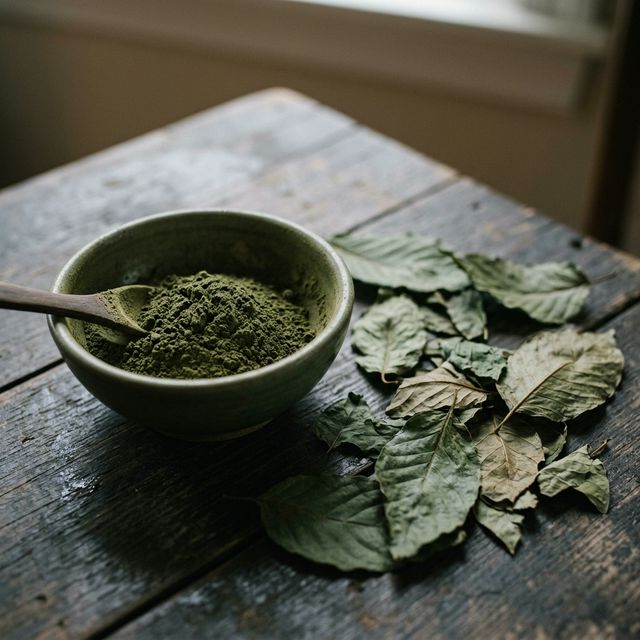
Kratom (Mitragyna speciosa) is a tropical tree native to Southeast Asia. Its leaves contain compounds that interact with opioid receptors in the brain. At low doses, kratom acts as a stimulant; at higher doses, it produces opioid-like sedation and pain relief.
Kratom is sold in the United States as a dietary supplement, powder, capsule, or extract. It is marketed for pain relief, energy, mood enhancement, and as a tool for opioid withdrawal. However, the FDA has not approved kratom for any medical use and has issued multiple warnings about its safety.
How Kratom Affects the Body
Active Compounds
Kratom's primary active compounds are mitragynine and 7-hydroxymitragynine. These bind to mu-opioid receptors (the same targets as morphine) as well as adrenergic, serotonergic, and dopaminergic receptors. This complex pharmacology produces dose-dependent effects.
Low-Dose Effects (Stimulant)
- Increased energy and alertness
- Enhanced sociability
- Reduced appetite
- Increased focus and motivation
High-Dose Effects (Sedative/Opioid-Like)
- Pain relief
- Euphoria and sedation
- Drowsiness
- Nausea and constipation
- Constricted pupils
Why Kratom Is Addictive
Because kratom activates opioid receptors, regular use produces physical dependence similar to opioid addiction. Users develop tolerance and require increasing amounts for the same effects. The CDC has documented kratom-related deaths, often involving other substances.
The FDA has identified over 44 deaths associated with kratom use. In most cases, kratom was used in combination with other substances, but several deaths involved kratom as the sole intoxicant.
Signs of Kratom Addiction
- Taking kratom daily or multiple times per day
- Increasing doses over time to maintain effects
- Experiencing withdrawal symptoms when stopping
- Unsuccessful attempts to cut back or quit
- Spending significant money on kratom products
- Continuing use despite negative effects on health or relationships
- Using kratom to manage mood or cope with stress
Kratom Withdrawal
Withdrawal symptoms resemble mild to moderate opioid withdrawal:
- Muscle aches and joint pain
- Insomnia and restless legs
- Irritability and anxiety
- Nausea, diarrhea, and sweating
- Runny nose and watery eyes
- Cravings
Withdrawal typically begins 12-24 hours after the last dose and resolves within 3-7 days. Heavy, long-term users experience more severe symptoms.
Safety Concerns
- Kratom products are unregulated as supplements, meaning potency and purity vary wildly
- Products have been found contaminated with heavy metals and salmonella
- Kratom interacts dangerously with other drugs, especially opioids, benzodiazepines, and alcohol
- Liver injury (hepatotoxicity) has been reported with chronic use
- The FDA and several states have banned or restricted kratom sales
Treatment for Kratom Addiction
Treatment approaches mirror those used for opioid addiction:
- Medical supervision during withdrawal to manage symptoms
- Supportive medications (clonidine for anxiety, NSAIDs for pain, sleep aids for insomnia)
- Behavioral therapy (CBT, motivational interviewing)
- In severe cases, buprenorphine may be used short-term to manage withdrawal
- Support groups and ongoing counseling for relapse prevention
Frequently Asked Questions
- Is kratom legal in the United States?
- Kratom is legal at the federal level but banned or restricted in several states and municipalities, including Alabama, Arkansas, Indiana, Rhode Island, Vermont, and Wisconsin. Legality varies, so check your state and local laws.
- Can kratom help with opioid withdrawal?
- Some people report using kratom to manage opioid withdrawal symptoms. However, the FDA warns that kratom itself activates opioid receptors and carries its own addiction risk. No clinical trials support kratom as a treatment for opioid use disorder. Evidence-based options like buprenorphine and methadone are safer.
- Is kratom safe because it is natural?
- Natural does not mean safe. Kratom activates opioid receptors, causes physical dependence, and has been associated with deaths. Unregulated products vary in potency and may contain contaminants. The FDA has issued multiple warnings against kratom use.
- How much kratom is dangerous?
- There is no established safe dose. Effects and risks vary based on the product, strain, individual tolerance, and whether other substances are used simultaneously. Deaths have occurred at doses that others report using regularly, highlighting the unpredictability of unregulated products.
Sources & References
This article is informed by research and data from the following authoritative sources:

This article is for educational purposes only and should not be considered medical advice. Always consult a qualified healthcare provider before making decisions about addiction treatment. If you or someone you know is in crisis, call SAMHSA's National Helpline: 1-800-662-4357 (free, confidential, 24/7).