Inhalant Abuse: Hidden Dangers and Treatment Options
Inhalant abuse is common among adolescents and carries risk of sudden death, even on the first use. Learn the dangers, signs, and how to help.
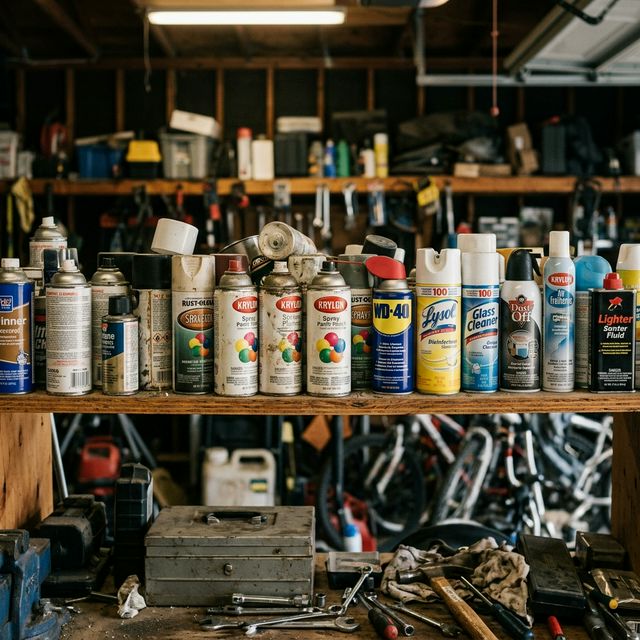
Inhalant Abuse Is Often Overlooked
Inhalant abuse (also called "huffing," "sniffing," or "bagging") involves breathing in chemical vapors from common household products to get high. It is one of the most accessible and most dangerous forms of substance abuse, particularly among children and adolescents aged 12-17.
The National Survey on Drug Use and Health found that approximately 2.2 million Americans aged 12 and older used inhalants in 2021. Inhalants are often the first substance young people experiment with because the products are legal, inexpensive, and readily available in any home.
Commonly Abused Inhalants
Products abused as inhalants fall into four categories:
Volatile Solvents
Paint thinners, gasoline, glue, correction fluid, felt-tip marker fluid, dry-cleaning fluids
Aerosols
Spray paint, deodorant, hair spray, cooking oil spray, computer dust-off
Gases
Butane lighters, propane tanks, refrigerants, whipped cream canisters (nitrous oxide/"whippets")
Nitrites
Amyl nitrite (poppers), video head cleaner, room deodorizers
How Inhalants Affect the Body
Inhaled chemicals are absorbed through the lungs into the bloodstream, reaching the brain within seconds. Most inhalants depress the central nervous system similarly to alcohol, producing slurred speech, lack of coordination, euphoria, and dizziness. Nitrites are different, primarily dilating blood vessels and relaxing muscles.
Short-term Effects
- Euphoria, lightheadedness, and giddiness
- Slurred speech and impaired coordination
- Dizziness, nausea, and vomiting
- Hallucinations and delusions
- Loss of consciousness
Long-term Effects
- Brain damage affecting memory, learning, and motor function
- Liver and kidney damage
- Hearing loss
- Peripheral nerve damage (numbness, weakness in limbs)
- Bone marrow damage from chronic benzene exposure
- Chronic cognitive impairment
Sudden Sniffing Death Syndrome
Inhalant abuse carries a unique risk: sudden sniffing death syndrome (SSDS). The concentrated chemicals sensitize the heart to adrenaline, causing fatal cardiac arrhythmia. SSDS can occur on the very first use and accounts for a significant percentage of inhalant-related deaths.
Unlike other drugs where risk increases with repeated use, inhalants can kill a first-time user through sudden sniffing death syndrome. Any episode of inhalant abuse carries this risk, regardless of the person's health, age, or prior experience.
Warning Signs of Inhalant Abuse
- Chemical odors on breath or clothing
- Paint or stain marks on face, hands, or clothing
- Hidden collections of rags, empty spray cans, or chemical-soaked materials
- Drunk or disoriented appearance without the smell of alcohol
- Slurred speech and loss of appetite
- Red, runny nose or nosebleeds
- Sores or rash around the nose and mouth
- Unusual purchases of large quantities of household chemicals
Treatment for Inhalant Abuse
Treatment requires special considerations because inhalant abuse is most common among young people and causes unique neurological damage:
- Medical evaluation for organ damage (brain, liver, kidneys, heart)
- Neuropsychological testing to assess cognitive impairment
- Age-appropriate behavioral therapy (CBT, family therapy)
- Treatment for co-occurring mental health conditions (depression, trauma, ADHD)
- Family involvement and education
- School-based support and prevention programs
Early intervention is critical. The cognitive damage caused by inhalants is partially reversible if use stops early enough, but prolonged abuse causes permanent brain damage.
Frequently Asked Questions
- What age group is most at risk for inhalant abuse?
- Adolescents aged 12-15 are at highest risk. Inhalants are often the first substance young people try because the products are legal, free (found at home), and do not require a dealer. Usage peaks in 8th grade and typically declines as adolescents gain access to other substances.
- Can you die from huffing once?
- Yes. Sudden sniffing death syndrome causes fatal heart arrhythmia that can happen on the very first use. Additionally, users can die from suffocation (plastic bag over the head), aspiration (inhaling vomit), and injury while impaired. There is no safe level of inhalant abuse.
- How do I talk to my child about inhalant abuse?
- Start the conversation early (before age 12). Be specific about which products are dangerous when inhaled. Explain that these common products contain chemicals that damage the brain and can kill instantly. Keep track of household chemicals. Maintain open, non-judgmental communication.
- Are whippets (nitrous oxide) dangerous?
- Yes. While nitrous oxide is used medically as an anesthetic, recreational use from whipped cream canisters carries risks including oxygen deprivation, loss of consciousness, frostbite (from pressurized gas), falls and injuries, and vitamin B12 depletion causing nerve damage with chronic use.
Sources & References
This article is informed by research and data from the following authoritative sources:

This article is for educational purposes only and should not be considered medical advice. Always consult a qualified healthcare provider before making decisions about addiction treatment. If you or someone you know is in crisis, call SAMHSA's National Helpline: 1-800-662-4357 (free, confidential, 24/7).