Gambling Addiction: Signs, Causes, and Treatment Options
Gambling addiction affects 2-3% of the population and devastates finances and relationships. Recognize the warning signs and learn how to get help.
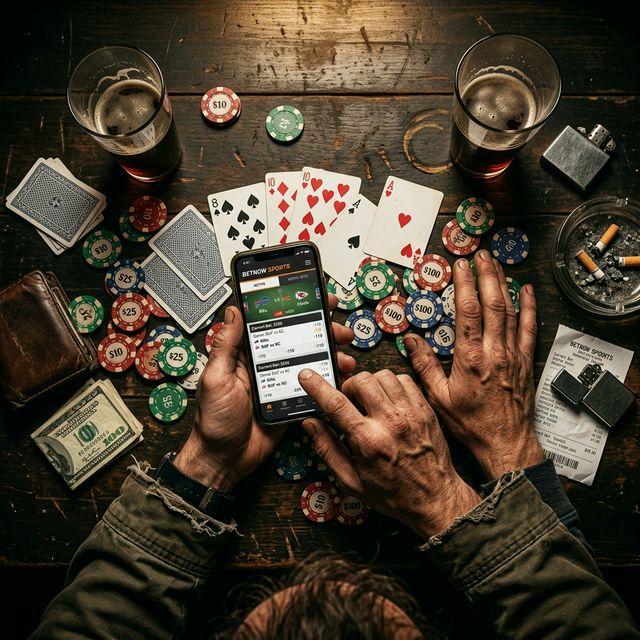
Gambling Disorder Is a Recognized Addiction
Gambling disorder is a behavioral addiction recognized by the American Psychiatric Association in the DSM-5. It shares many characteristics with substance use disorders, including tolerance (needing to bet more to feel excitement), withdrawal (restlessness when trying to stop), and loss of control.
Approximately 2 to 3 percent of the U.S. population meets the criteria for gambling disorder. Another 5 to 8 percent report problem gambling that does not meet the full diagnostic threshold but still causes significant harm.
Warning Signs of Gambling Addiction
- Needing to gamble with increasing amounts of money for the same excitement
- Repeated unsuccessful attempts to control, cut back, or stop gambling
- Feeling restless or irritable when trying to stop
- Gambling as a way to escape problems or relieve negative moods
- Returning to gambling after losing money ("chasing losses")
- Lying to family members or others about the extent of gambling
- Jeopardizing relationships, jobs, or educational opportunities
- Relying on others for money to cover gambling debts
What Makes Gambling Addictive
Brain Chemistry
Gambling activates the same reward pathways in the brain as drugs. The anticipation of a potential win triggers dopamine release, creating a cycle of excitement and reinforcement. Brain imaging studies show that people with gambling disorder have reduced activity in reward circuits, similar to people with substance addictions.
Near-Miss Effect
Slot machines and other gambling products are designed to produce frequent "near misses," where the outcome is close to a win. Research shows that near misses activate the win-related brain regions, encouraging continued play despite actual losses.
Risk Factors
- Family history of gambling or addiction problems
- Co-occurring mental health conditions (depression, anxiety, ADHD)
- Early exposure to gambling during adolescence
- Male sex (men are more likely to develop gambling disorder)
- Certain personality traits (high impulsivity, competitiveness)
Financial and Emotional Impact
Problem gambling causes an average of $55,000 in debt. Beyond finances, gambling disorder leads to relationship breakdown, job loss, legal problems, and a suicide rate higher than any other addiction. Up to 20% of people with severe gambling disorder attempt suicide.
The National Council on Problem Gambling reports that people with gambling disorder are 15 times more likely to attempt suicide than the general population. If you are in crisis, call 988 (Suicide and Crisis Lifeline) immediately.
Treatment for Gambling Addiction
Cognitive Behavioral Therapy
CBT is the most effective treatment for gambling disorder. It helps identify distorted thinking patterns (such as the belief that a win is "due" after a losing streak) and develop healthier responses to gambling urges.
Support Groups
Gamblers Anonymous provides peer support through a 12-step model adapted for gambling. Family members benefit from Gam-Anon, a companion group that addresses the effects of a loved one's gambling.
Medications
No medications are FDA-approved specifically for gambling disorder, but naltrexone and nalmefene have shown promise in clinical trials by reducing gambling urges. Antidepressants help when co-occurring depression is present.
Getting Help
The National Council on Problem Gambling operates a confidential helpline at 1-800-522-4700 (call or text) and an online chat at ncpgambling.org. Help is available 24/7.
Frequently Asked Questions
- Is gambling addiction a real addiction?
- Yes. The American Psychiatric Association reclassified gambling disorder as a behavioral addiction in 2013 based on research showing it shares neurological, genetic, and clinical features with substance use disorders. Brain imaging confirms that gambling activates the same reward circuits as drugs.
- Can you become addicted to online gambling?
- Online gambling carries a high addiction risk because of its constant availability, privacy, speed of play, and ability to use credit. Research shows that online gambling is associated with more severe gambling problems than land-based gambling.
- How do I help a family member with a gambling problem?
- Educate yourself about gambling disorder. Set clear financial boundaries (separate bank accounts, remove access to credit). Attend Gam-Anon meetings for support. Encourage professional treatment without enabling continued gambling. Avoid lending money to cover gambling debts.
- Does self-exclusion from casinos work?
- Self-exclusion programs, where a person voluntarily bans themselves from gambling venues, show moderate effectiveness. They work best when combined with professional treatment. They do not address online gambling access.
Sources & References
This article is informed by research and data from the following authoritative sources:

This article is for educational purposes only and should not be considered medical advice. Always consult a qualified healthcare provider before making decisions about addiction treatment. If you or someone you know is in crisis, call SAMHSA's National Helpline: 1-800-662-4357 (free, confidential, 24/7).