Understanding Drug Addiction: Causes, Signs, and Treatment
Drug addiction is a complex brain disorder. Learn about the causes, warning signs, and effective treatment approaches for substance use disorders.
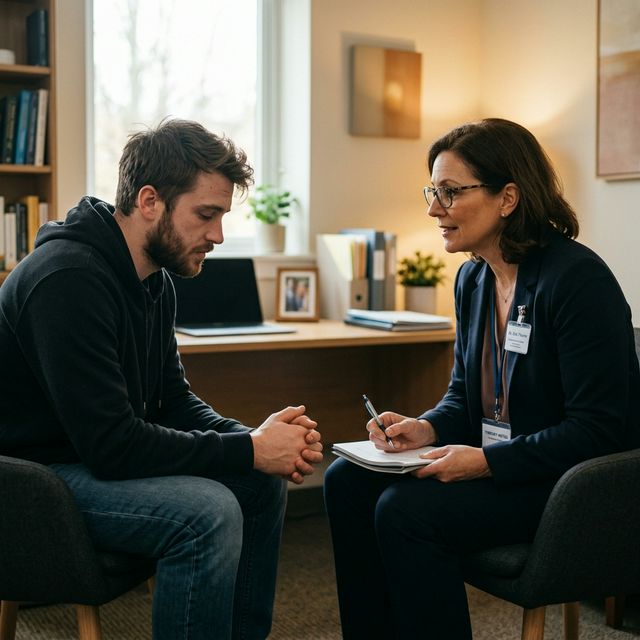
Drug Addiction Is a Medical Condition
Drug addiction, clinically known as substance use disorder (SUD), is a chronic brain condition. It changes the way your brain processes reward, motivation, and memory. Over 20 million Americans meet the criteria for a substance use disorder in any given year, according to SAMHSA.
Addiction is not a character flaw. Research from the National Institute on Drug Abuse confirms that drugs alter brain circuits responsible for self-control, stress response, and decision-making. These changes persist long after substance use stops.
What Causes Drug Addiction
No single factor determines whether someone develops an addiction. Multiple variables interact to raise or lower risk.
Genetic Factors
Genetics account for roughly 40 to 60 percent of addiction vulnerability. If your parent or sibling has a substance use disorder, your own risk increases significantly. Specific genes influence how your body metabolizes drugs and how your brain responds to dopamine.
Environmental Factors
- Early exposure to drugs during adolescence, when the brain is still developing
- Peer pressure and social environment
- Childhood trauma, abuse, or neglect
- Poverty and lack of access to education or healthcare
- Easy availability of drugs in the community
Mental Health
People with depression, anxiety, PTSD, or ADHD face a higher risk of developing addiction. Substance use often starts as self-medication for untreated mental health symptoms.
Warning Signs of Drug Addiction
Addiction develops gradually. Recognizing the signs early improves treatment outcomes.
- Taking larger amounts of a substance or using for longer than planned
- Repeated failed attempts to cut back or stop
- Spending significant time obtaining, using, or recovering from substances
- Cravings and strong urges to use
- Failing to meet responsibilities at work, school, or home
- Continuing use despite social or relationship problems caused by it
- Giving up important activities and hobbies
- Using in physically dangerous situations
- Developing tolerance (needing more for the same effect)
- Experiencing withdrawal symptoms when not using
The DSM-5 uses 11 criteria to diagnose substance use disorder. Meeting 2-3 criteria indicates mild SUD, 4-5 indicates moderate, and 6 or more indicates severe.
How Drugs Change the Brain
Most drugs of abuse flood the brain's reward circuit with dopamine. This surge produces the "high" that reinforces drug-taking behavior. Over time, the brain adjusts by producing less dopamine naturally and reducing the number of dopamine receptors.
This means a person with addiction needs drugs to feel normal levels of pleasure. Activities that once brought joy (food, socializing, hobbies) no longer produce the same satisfaction. The prefrontal cortex, responsible for judgment and impulse control, also becomes impaired.
Treatment Approaches That Work
Addiction responds to treatment. Research-backed approaches include:
Behavioral Therapies
- Cognitive Behavioral Therapy (CBT) helps identify and change thought patterns that lead to substance use
- Contingency Management provides tangible rewards for maintaining sobriety
- Motivational Enhancement Therapy builds internal motivation to change
- Family Therapy addresses relationship dynamics and builds a supportive home environment
Medications
FDA-approved medications exist for opioid, alcohol, and nicotine addiction. Methadone, buprenorphine, and naltrexone treat opioid use disorder. Naltrexone, acamprosate, and disulfiram treat alcohol use disorder. Nicotine replacement therapy aids tobacco cessation.
Levels of Care
- Medical detox for safe withdrawal management
- Inpatient or residential treatment (24/7 structured care)
- Partial hospitalization programs (PHP)
- Intensive outpatient programs (IOP)
- Standard outpatient therapy
- Support groups and aftercare
Relapse Does Not Mean Failure
Relapse rates for addiction (40-60%) are comparable to relapse rates for other chronic conditions like hypertension and asthma. If relapse occurs, it signals that treatment needs adjustment. Returning to care quickly improves long-term outcomes.
How to Get Help Today
If you or someone you know is struggling with substance use, help is available. SAMHSA's National Helpline (1-800-662-4357) offers free, confidential referrals 24 hours a day. You do not need to hit "rock bottom" to seek treatment. Early intervention produces better results.
Frequently Asked Questions
- Is addiction a choice or a disease?
- Addiction is classified as a chronic brain disorder by major medical organizations including the American Medical Association and the National Institute on Drug Abuse. While the initial decision to use a substance is voluntary, repeated use causes brain changes that impair self-control and the ability to resist intense urges.
- How long does addiction treatment take?
- Treatment length varies by individual. Research shows that treatment lasting less than 90 days has limited effectiveness. Many people benefit from ongoing outpatient care, support groups, and long-term medication management for a year or more.
- Can you recover from addiction permanently?
- Recovery is an ongoing process. Many people maintain long-term sobriety with continued support, therapy, and lifestyle changes. While the brain changes caused by addiction are long-lasting, they do improve with sustained abstinence and treatment.
- What is the most addictive drug?
- Nicotine, heroin, cocaine, alcohol, and methamphetamine are consistently ranked among the most addictive substances. However, individual vulnerability varies based on genetics, mental health, and environmental factors.
- Does insurance cover addiction treatment?
- The Affordable Care Act and the Mental Health Parity Act require most insurance plans to cover substance use disorder treatment. Coverage details vary by plan. Contact your insurer or call SAMHSA at 1-800-662-4357 for help finding covered treatment options.
Sources & References
This article is informed by research and data from the following authoritative sources:

This article is for educational purposes only and should not be considered medical advice. Always consult a qualified healthcare provider before making decisions about addiction treatment. If you or someone you know is in crisis, call SAMHSA's National Helpline: 1-800-662-4357 (free, confidential, 24/7).