Synthetic Drugs: K2, Spice, Bath Salts, and Their Dangers
Synthetic drugs like K2, Spice, and bath salts are unpredictable and dangerous. Learn the risks, effects, and treatment options for synthetic drug abuse.
What Are Synthetic Drugs
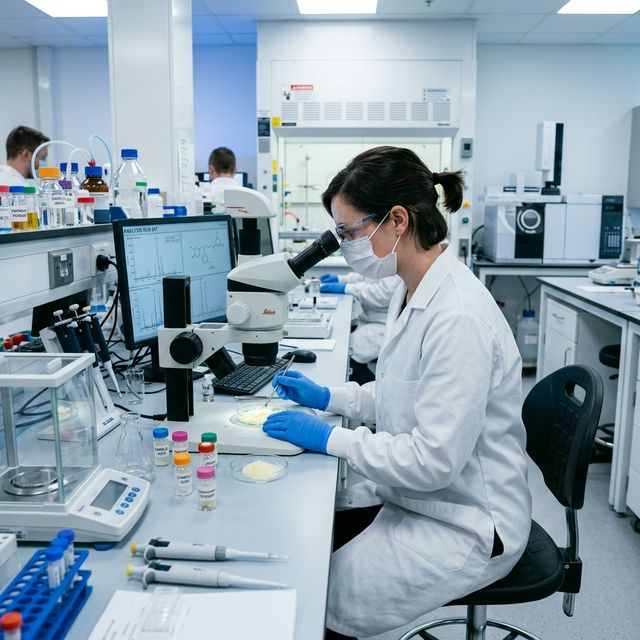
Synthetic drugs are laboratory-created chemicals designed to mimic the effects of natural drugs like marijuana, cocaine, or MDMA. They are manufactured to evade drug laws by constantly altering their chemical structure. Common synthetic drugs include synthetic cannabinoids (K2, Spice) and synthetic cathinones (bath salts).
These substances are far more dangerous than the natural drugs they imitate. Their chemical composition is unpredictable, potency varies wildly between batches, and they produce effects that are more intense and more dangerous than their natural counterparts.
Synthetic Cannabinoids (K2/Spice)
Synthetic cannabinoids are chemicals sprayed onto dried plant material and smoked or sold as liquids for vaporizers. Despite being marketed as "synthetic marijuana," they are not marijuana. They bind to the same brain receptors as THC but with much greater potency (up to 100 times stronger), producing unpredictable and often dangerous effects.
Effects and Dangers
- Extreme anxiety, paranoia, and psychosis
- Rapid heart rate, vomiting, and violent behavior
- Seizures and loss of consciousness
- Kidney damage and failure
- Heart attacks in young, otherwise healthy users
- Suicidal thoughts and self-harm
- Deaths from overdose (no reversal agent exists)
Synthetic Cathinones (Bath Salts)
Synthetic cathinones are related to cathinone, a natural stimulant found in the khat plant. These synthetic versions are far more potent. They are sold as white or brown crystalline powder in small foil packages labeled "bath salts," "plant food," or "research chemicals" to circumvent drug laws.
Effects and Dangers
- Euphoria, increased sociability, and heightened sex drive
- Severe paranoia, hallucinations, and delirium
- Violent, unpredictable behavior
- Dangerous elevation of heart rate and blood pressure
- Hyperthermia (overheating)
- Breakdown of skeletal muscle tissue (rhabdomyolysis)
- Kidney failure, brain swelling, and death
Poison control centers reported a 20-fold increase in calls related to synthetic drugs between 2010 and 2012. Although calls have decreased, emergency departments continue to treat severe reactions from these substances.
Why Synthetic Drugs Are Especially Dangerous
- Chemical composition changes constantly to evade drug scheduling
- Potency varies wildly between products and even within the same package
- Standard drug tests do not detect most synthetic drugs
- No antidote or reversal agent exists for overdose
- Effects are unpredictable, even for experienced users
- Products labeled as one substance may contain a completely different chemical
Who Uses Synthetic Drugs
Synthetic drugs appeal to several populations: teenagers attracted by easy availability and low cost, adults subject to workplace drug testing (synthetic drugs are harder to detect), people in correctional facilities, and people in housing or employment situations that require drug testing.
Treatment for Synthetic Drug Abuse
No specific medications treat synthetic drug addiction. Treatment involves:
- Emergency medical care for acute intoxication and overdose
- Psychiatric evaluation and stabilization for psychosis
- Behavioral therapy (CBT, motivational interviewing)
- Treatment for co-occurring mental health disorders
- Support groups and ongoing counseling
Recovery is complicated by the fact that synthetic drugs cause persistent psychiatric symptoms (psychosis, depression, anxiety) that require extended treatment.
Frequently Asked Questions
- Are synthetic drugs legal?
- Many synthetic drugs are illegal under the Federal Analogue Act and state laws. However, manufacturers constantly change chemical formulas to create technically legal variants. The DEA has emergency scheduled many synthetic compounds, but new ones continuously appear on the market.
- Can you overdose on K2/Spice?
- Yes. Synthetic cannabinoids cause seizures, kidney failure, heart attacks, and death. Unlike natural marijuana, which has an extremely high lethal dose threshold, synthetic cannabinoids are potent enough to cause fatal overdose. No reversal medication exists.
- Why are synthetic drugs so unpredictable?
- Synthetic drug manufacturers constantly change formulas, and quality control is nonexistent. The chemical sprayed onto plant material is unevenly distributed, creating 'hot spots' of extreme potency within a single batch. Users have no way to know exactly what chemical they are consuming or at what dose.
- Do standard drug tests detect synthetic drugs?
- Most standard workplace and clinical drug tests do not detect synthetic cannabinoids or cathinones. Specialized tests exist but are more expensive and not routinely used. This contributes to the appeal of synthetic drugs among populations subject to drug testing.
Sources & References
This article is informed by research and data from the following authoritative sources:

This article is for educational purposes only and should not be considered medical advice. Always consult a qualified healthcare provider before making decisions about addiction treatment. If you or someone you know is in crisis, call SAMHSA's National Helpline: 1-800-662-4357 (free, confidential, 24/7).