Telehealth for Addiction Treatment
Telehealth has expanded access to addiction treatment. Learn about virtual therapy options and their effectiveness.
What is Telehealth for Addiction Treatment?
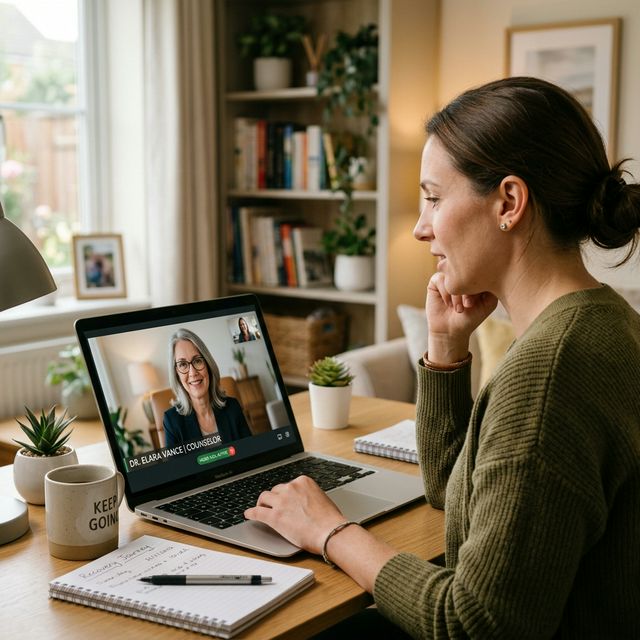
Telehealth addiction treatment uses secure video conferencing, phone calls, mobile apps, and digital platforms to deliver therapy, medication management, psychiatric care, and recovery support services remotely. What was once a supplementary option has become a mainstream modality — accelerated by the COVID-19 pandemic and sustained by strong outcomes data and patient preference.
Federal regulatory changes during the pandemic allowed physicians to prescribe buprenorphine (Suboxone) via telehealth without an initial in-person visit — a policy that has been extended indefinitely by the DEA. This single change dramatically expanded access to life-saving medication-assisted treatment for opioid use disorder.
What Services Are Available via Telehealth?
- Individual therapy: CBT, DBT, motivational interviewing, and trauma-focused therapies via live video
- Group therapy: Virtual process groups, skills workshops, and peer support sessions
- Medication management: Buprenorphine prescribing, psychiatric medication adjustments, and MAT monitoring
- Psychiatric evaluation: Initial assessments and ongoing psychiatric care for co-occurring disorders
- Recovery support: Virtual AA/NA meetings, recovery coaching, and peer support specialist sessions
- Family therapy: Sessions involving multiple family members from different locations
- Care coordination: Case management, insurance verification, and aftercare planning
How Effective is Telehealth for Addiction?
Research consistently shows strong outcomes:
- A 2020 JAMA Psychiatry study found that patients receiving buprenorphine via telehealth had higher treatment retention rates than those in traditional in-person programs
- Multiple RCTs show that CBT and motivational interviewing delivered via video produce outcomes equivalent to in-person therapy
- Medication adherence rates for MAT are comparable or higher in telehealth settings
- Patient satisfaction scores consistently rate telehealth addiction treatment highly, with many patients preferring it to in-person visits
- Relapse rates in telehealth IOP programs are comparable to in-person IOP
Who Benefits Most from Telehealth Addiction Treatment?
- Rural residents: Over 60% of rural counties lack an addiction medicine physician. Telehealth bridges this gap entirely
- Working professionals: Video sessions reduce time away from work (no commute, no waiting room)
- Parents and caregivers: Treatment without childcare barriers
- People with physical disabilities: No transportation challenges
- Those facing stigma: Treatment from the privacy of home reduces the stigma barrier that keeps many from seeking help
- Step-down patients: Continuing care after inpatient rehab without geographic constraints
Limitations and When In-Person Is Better
Telehealth is not appropriate for every situation:
- Medical detox: Cannot be done remotely — requires 24/7 medical monitoring
- Severe psychiatric crisis: Active suicidality or psychosis requires in-person evaluation
- Inpatient treatment: Residential rehab inherently requires physical presence
- Court-ordered treatment: Some programs require in-person attendance for legal compliance
- Patients without stable internet or a private space: Confidentiality and technology requirements are essential
How to Start Telehealth Addiction Treatment
Step 1: Find a Provider
SAMHSA's treatment locator (findtreatment.gov) now includes telehealth options. Many specialized platforms offer addiction-focused telehealth: Bicycle Health, Workit Health, Groups Recover Together, and others. Your primary care provider can also prescribe buprenorphine via telehealth.
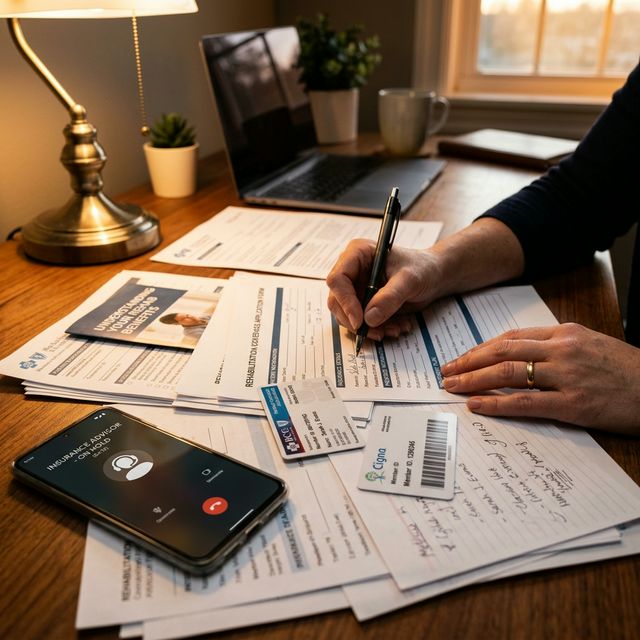
Step 2: Verify Insurance Coverage
Under the ACA, most insurance plans cover telehealth behavioral health services at the same rate as in-person visits. Medicare and Medicaid have expanded telehealth coverage significantly since 2020.
Step 3: Set Up Your Space
Choose a quiet, private room. Test your internet connection, camera, and microphone before your first session. Download any required apps. Have your insurance card, medication list, and ID ready.
Step 4: Engage Fully
Treat telehealth sessions with the same commitment as in-person appointments. Remove distractions, keep your camera on, and participate actively. The therapeutic relationship — which drives outcomes — can be built just as effectively through video as in person.
The Future of Telehealth in Addiction Treatment
Telehealth is not a temporary pandemic measure — it is a permanent expansion of the treatment landscape. Innovations on the horizon include AI-powered relapse prediction tools, remote biosensors for monitoring vital signs and substance use, app-based therapeutic modules between sessions, and integration of digital therapeutics (FDA-approved apps like reSET) as adjuncts to therapy.
Frequently Asked Questions
- Can I get Suboxone (buprenorphine) prescribed through telehealth?
- Yes. Since 2020, federal regulations have allowed physicians to prescribe buprenorphine (Suboxone) via telehealth without requiring an initial in-person visit. The DEA has extended these flexibilities indefinitely as of 2024. This means you can receive a full evaluation, prescription, and ongoing medication management entirely through video visits. Platforms like Bicycle Health, QuickMD, and many traditional addiction medicine practices now offer this service.
- Is telehealth addiction treatment covered by insurance?
- Yes. Under the Affordable Care Act and Mental Health Parity Act, most insurance plans must cover telehealth behavioral health services at the same rate as in-person visits. Medicare and Medicaid have significantly expanded telehealth coverage since 2020, and most of these expansions have been made permanent. Co-pays and deductibles are typically the same as for in-person services.
- Is telehealth as good as in-person treatment?
- For most outpatient addiction treatment, yes. Multiple clinical studies show equivalent outcomes for individual therapy, group therapy, and medication management delivered via telehealth compared to in-person care. A JAMA Psychiatry study found that patients on buprenorphine via telehealth actually had higher retention rates than in-person patients. However, telehealth cannot replace medical detox, inpatient rehab, or emergency psychiatric care.
- What technology do I need for telehealth treatment?
- Most telehealth addiction treatment requires a smartphone, tablet, or computer with a camera and microphone, plus a stable internet connection (at least 5 Mbps). A private, quiet space for sessions is essential for confidentiality. Most platforms use HIPAA-compliant video software that works in a web browser — no special equipment needed. Some programs also offer phone-only sessions as a backup.
Sources & References
This article is informed by research and data from the following authoritative sources:

This article is for educational purposes only and should not be considered medical advice. Always consult a qualified healthcare provider before making decisions about addiction treatment. If you or someone you know is in crisis, call SAMHSA's National Helpline: 1-800-662-4357 (free, confidential, 24/7).