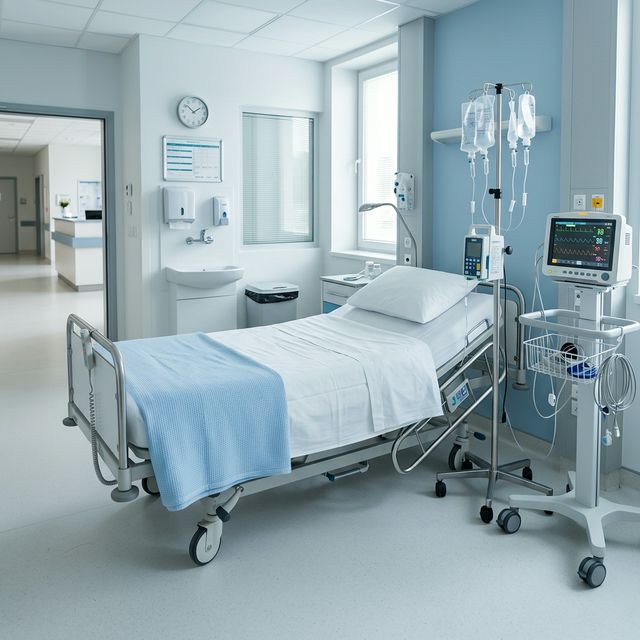
Detox Centers: What to Expect During Medical Detox
Medical detox is often the first step in recovery. Learn what happens at a detox center and how to prepare.

What is Medical Detox?
Medical detoxification (detox) is the supervised process of safely withdrawing from substances under medical care. It is the first critical step in addiction treatment — but not treatment in itself. Detox addresses the physical dependence on a substance by managing withdrawal symptoms while the body clears the drug from its system.
According to SAMHSA, detox should be viewed as a bridge to ongoing treatment, not a standalone solution. Without follow-up therapy and support, detox alone has very high relapse rates. However, for substances like alcohol, benzodiazepines, and opioids, medically supervised detox is often a medical necessity due to potentially dangerous withdrawal complications.
When Is Medical Detox Needed?
Not every substance requires medical detox. The necessity depends on the substance, duration of use, and severity of dependence:
- Always recommended: Alcohol (risk of seizures, delirium tremens), benzodiazepines (risk of seizures, psychosis), opioids (severe discomfort, high relapse risk)
- Strongly recommended: Barbiturates, GHB, high-dose stimulant use with psychiatric complications
- Usually not required: Marijuana, cocaine (psychological withdrawal is uncomfortable but not medically dangerous — though medical monitoring may still be beneficial)
What Happens at a Detox Center
Step 1: Evaluation and Intake
Upon arrival, a comprehensive medical assessment is performed: complete blood work, vitals, urine drug screen, medical history review, substance use history, mental health screening, and assessment of withdrawal severity. For alcohol, the CIWA-Ar scale is used; for opioids, the COWS (Clinical Opiate Withdrawal Scale) is standard.
Step 2: Stabilization (Days 1–3)
Medications are administered based on the substance of dependence:
- Opioids: Buprenorphine (Suboxone) or methadone to manage cravings and withdrawal; clonidine for autonomic symptoms
- Alcohol: Benzodiazepines (diazepam, chlordiazepoxide, lorazepam) to prevent seizures; thiamine to prevent Wernicke encephalopathy
- Benzodiazepines: Long-acting benzodiazepine taper (typically diazepam) under strict medical protocols
- Stimulants: No specific detox medications — supportive care, sleep aids, and psychiatric monitoring
You will receive 24/7 monitoring including vitals checks (every 2–4 hours), withdrawal severity assessments, medication adjustments, and continuous nursing support.
Step 3: Withdrawal Management (Days 3–7)
Withdrawal symptoms are actively managed through medication adjustments, IV fluids for dehydration, nutritional support, and comfort measures. The medical team monitors for complications: seizures, cardiac events, severe psychiatric symptoms, or dehydration.
Step 4: Transition to Treatment (Days 5–10)
Before discharge, the treatment team develops a comprehensive aftercare plan. This typically includes warm handoff to inpatient rehab, IOP, or outpatient therapy; MAT initiation (buprenorphine, naltrexone, or methadone for opioid use disorder); psychiatric medication management; and support group referrals.
How Long Does Detox Take?
- Alcohol: 3–7 days (acute), with monitoring for DTs
- Opioids (heroin/fentanyl): 5–10 days
- Benzodiazepines: 2–8 weeks (gradual taper required)
- Methamphetamine/cocaine: 3–5 days (physical), weeks (psychological)
Types of Detox Settings
Hospital-Based Detox (ASAM Level 4)
Full hospital admission with ICU-level monitoring. Reserved for severe cases: history of DTs, active seizures, serious medical comorbidities, pregnancy, or polydrug withdrawal.
Residential Detox (ASAM Level 3.7)
24-hour nursing in a non-hospital residential setting. The most common medical detox model. Appropriate for moderate-to-severe withdrawal without life-threatening medical complications.
Ambulatory Detox (ASAM Level 1 or 2)
Outpatient detox with daily check-ins or periodic monitoring. Appropriate only for mild withdrawal with low risk of complications and strong home support.
How to Prepare for Detox
- Arrange time off from work (FMLA may apply)
- Bring all current medications in their original containers
- Bring insurance cards and photo ID
- Pack 3–5 days of comfortable clothing
- Notify your primary doctor and any prescribing physicians
- Arrange childcare, pet care, or household management
- Let a trusted family member know your plans
After Detox: What Comes Next
NIDA research is clear: detox alone is not treatment. Without follow-up care, relapse rates exceed 80%. Effective recovery requires ongoing therapy (CBT, DBT, trauma therapy), medication-assisted treatment where appropriate, support group participation, and lifestyle changes. The transition from detox to treatment is the most critical moment in the continuum of care — make sure your detox facility provides a warm handoff to the next level of treatment.
Frequently Asked Questions
- Is detox painful?
- Medical detox is designed to minimize discomfort. While withdrawal symptoms cannot be entirely eliminated, medications significantly reduce their severity. For opioid detox, buprenorphine can relieve 80-90% of withdrawal symptoms within 30-60 minutes of the first dose. For alcohol detox, benzodiazepines prevent the most dangerous symptoms. The level of discomfort varies by substance, duration of use, and individual physiology.
- How much does medical detox cost?
- Medical detox costs range from $1,000 to $1,500 per day, totaling $3,000 to $10,000+ for a full detox stay. However, most insurance plans cover medical detox under the Affordable Care Act. Medicaid, Medicare, and many state-funded programs also cover detox. Contact SAMHSA at 1-800-662-4357 for help finding free or reduced-cost options.
- Can I detox at home?
- Home detox is not recommended for alcohol, benzodiazepines, or severe opioid dependence due to the risk of life-threatening complications. Alcohol and benzodiazepine withdrawal can cause fatal seizures. Even for substances with less dangerous withdrawal (stimulants, cannabis), medically supervised detox provides a safer, more comfortable experience and increases the likelihood of successful transition to treatment.
- What is the difference between detox and rehab?
- Detox is the medical management of withdrawal symptoms — it typically lasts 3 to 10 days and addresses physical dependence. Rehab (rehabilitation) is the comprehensive treatment that follows detox — including therapy, counseling, skills training, and ongoing support — lasting 30 to 90+ days. Detox alone does not address the psychological and behavioral aspects of addiction. Think of detox as clearing the path, and rehab as walking it.
Sources & References
This article is informed by research and data from the following authoritative sources:

This article is for educational purposes only and should not be considered medical advice. Always consult a qualified healthcare provider before making decisions about addiction treatment. If you or someone you know is in crisis, call SAMHSA's National Helpline: 1-800-662-4357 (free, confidential, 24/7).