
treatment
Telehealth for Addiction Treatment
Telehealth has expanded access to addiction treatment. Learn about virtual therapy options and their effectiveness.
Compare treatment programs, explore therapy approaches, and find the right path for your recovery. Every journey is different — the right treatment makes all the difference.
Addiction treatment has advanced significantly in the past two decades. Research from the National Institute on Drug Abuse confirms that treatment helps people stop using drugs, avoid relapse, and reclaim productive lives. Treatment success rates for addiction are comparable to those for other chronic conditions like type 2 diabetes and hypertension.
There is no single treatment that works for everyone. Effective programs match services to each patient's needs — considering the type and severity of substance use, co-occurring mental health conditions, and personal circumstances. The American Society of Addiction Medicine (ASAM) establishes criteria that clinicians use to determine the appropriate level of care for each individual.
Below, you'll find an overview of the main treatment types, detailed articles on specific programs and therapies, and answers to the most common questions about getting help.
Medically supervised withdrawal management in a safe environment. Vital for alcohol, benzodiazepine, and opioid dependence where withdrawal can be dangerous.
24/7 structured care in a treatment facility, typically 28–90 days. Best for severe addiction, co-occurring disorders, or patients without a stable home environment.
Intensive therapy while living at home. Partial hospitalization (PHP) offers 5–7 days/week; intensive outpatient (IOP) offers 3–5 days/week of group and individual therapy.
FDA-approved medications (buprenorphine, methadone, naltrexone) combined with counseling. The gold standard for opioid use disorder — reduces overdose deaths by over 50%.
Evidence-based approaches including CBT, contingency management, motivational interviewing, and dialectical behavior therapy. Address the psychological roots of addiction.
Ongoing peer support through 12-step programs (AA, NA), SMART Recovery, and alumni networks. Aftercare planning prevents relapse and builds long-term community.
Telehealth has expanded access to addiction treatment. Learn about virtual therapy options and their effectiveness.
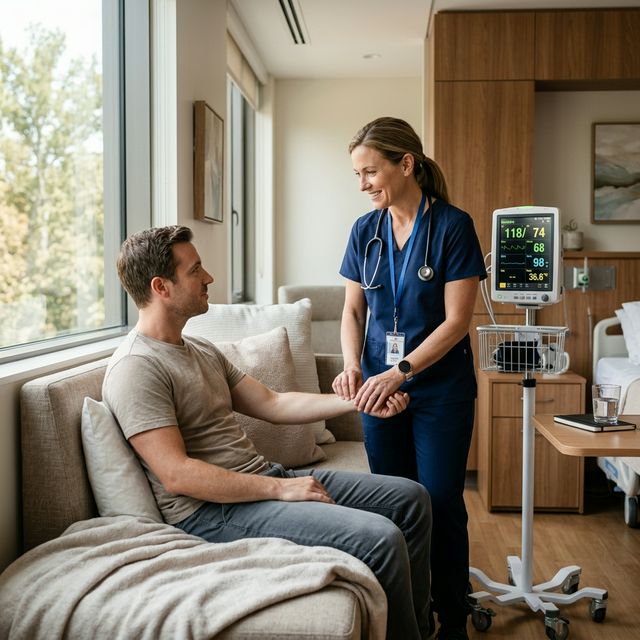
Medical detox is often the first step in recovery. Learn what happens at a detox center and how to prepare.
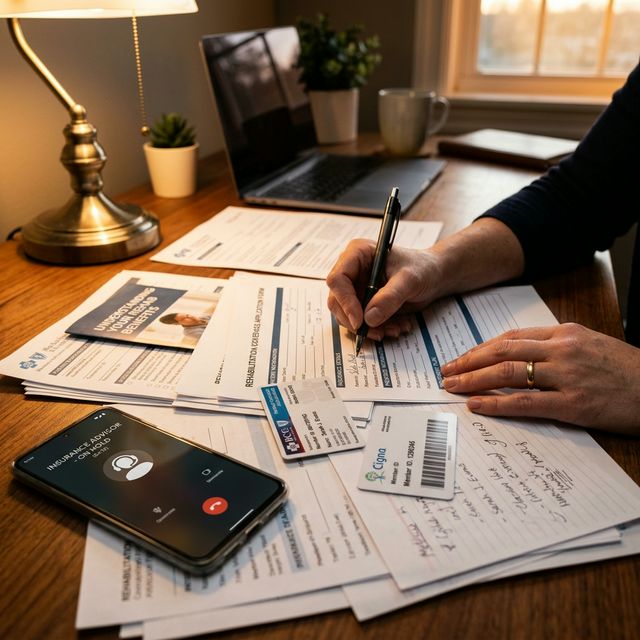
Navigating insurance for addiction treatment can be confusing. Learn about what's covered and how to verify benefits.
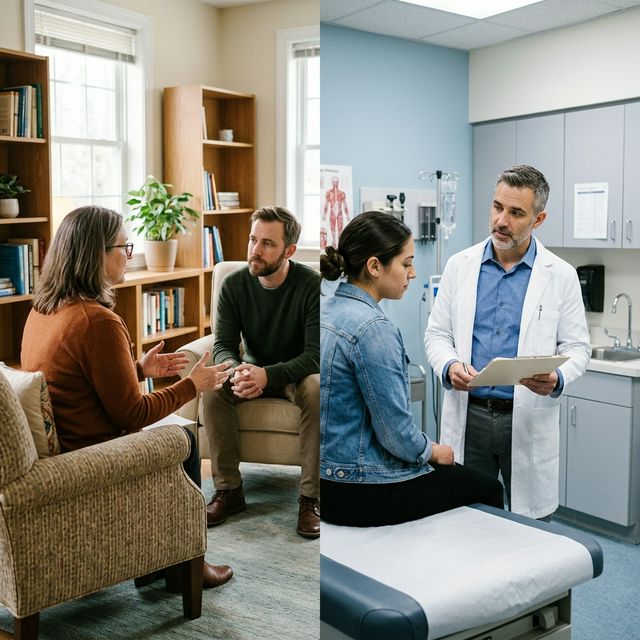
Co-occurring mental health conditions and addiction require integrated treatment. Learn about the dual diagnosis approach.
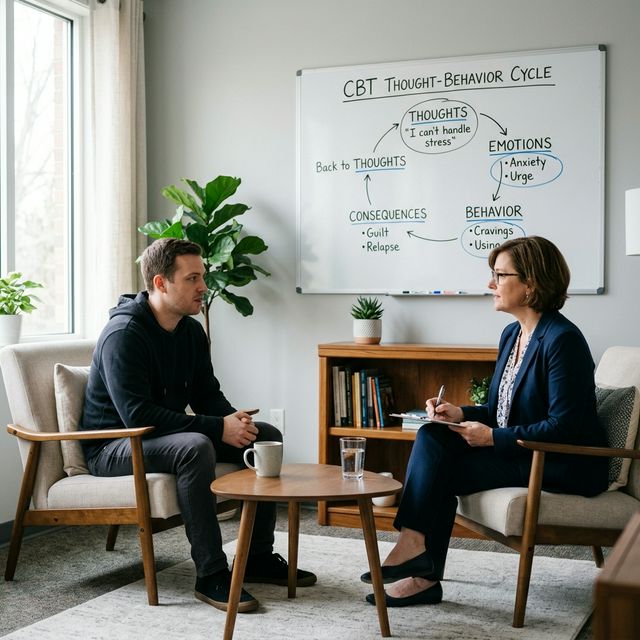
CBT is one of the most effective therapies for addiction. Learn how it works and what to expect in treatment.
Alcohol withdrawal can be dangerous and life-threatening. Here's what you need to know about symptoms, timeline, and treatment.

Inpatient rehabilitation provides 24/7 care in a structured environment. Learn what to expect and how to find the right program.
Heroin withdrawal is intensely uncomfortable but treatable. Learn about the timeline, symptoms, and medical treatments.

Outpatient rehab allows you to receive treatment while maintaining daily responsibilities. Learn if it's right for you.
The National Institute on Drug Abuse recommends a minimum of 90 days in treatment. Research shows that treatment lasting less than 90 days has limited effectiveness. Many people benefit from 6–12 months of structured care followed by ongoing outpatient therapy and support group participation. Treatment length should be tailored to individual needs, severity of addiction, and co-occurring conditions.
Yes. The Affordable Care Act (ACA) requires most health insurance plans to cover substance use disorder treatment as an essential health benefit. The Mental Health Parity and Addiction Equity Act ensures coverage is comparable to other medical conditions. Medicaid also covers treatment in most states. Contact your insurer to verify specific benefits, or call SAMHSA at 1-800-662-4357 for help finding covered options.
Inpatient (residential) treatment provides 24/7 care in a structured facility, typically for 28–90 days. It is best for severe addiction, co-occurring mental health disorders, or when the home environment is not conducive to recovery. Outpatient treatment allows patients to live at home while attending therapy sessions several times per week. Intensive outpatient (IOP) and partial hospitalization (PHP) bridge the gap between inpatient and standard outpatient care.
The first day typically involves a comprehensive intake assessment covering medical history, substance use history, mental health screening, and social circumstances. A treatment team will develop a personalized care plan. For inpatient programs, you will be shown around the facility and introduced to staff. If detox is needed, medical stabilization begins right away. Most people feel a combination of anxiety and relief on their first day.
No. MAT medications like buprenorphine and methadone are evidence-based treatments that stabilize brain chemistry, reduce cravings, and prevent overdose without producing the euphoric high associated with drug abuse. The World Health Organization and every major medical organization endorses MAT as the standard of care for opioid use disorder. Research shows MAT reduces overdose deaths by more than 50% and significantly improves treatment retention.
In most cases, treatment is voluntary and more effective when the person is motivated. However, some states allow involuntary commitment for substance use disorders under specific circumstances. Court-ordered treatment can also occur through drug courts. Research shows that even when treatment is involuntary or coerced (e.g., by family or employers), outcomes are often comparable to voluntary treatment because engagement develops during the process.
All content on this page is informed by clinical guidelines and data from the following organizations.
Evidence-based guide to effective addiction treatment approaches
Find treatment facilities and programs near you
ASAM Criteria for patient placement and levels of care
Data and resources on overdose prevention strategies
Comprehensive information on medication-assisted treatment

Addiction in Veterans: Combat Trauma, VA Resources, and Civilian Treatment Veterans develop substance use disorders at rates significantly higher than the…
Mar 18, 2026
Addiction in Women: Biology, Barriers, and Gender-Responsive Treatment Women develop substance use disorders differently than men, progress to addiction…
Mar 18, 2026
What to Pack for Rehab and What to Leave at Home Knowing what to pack for rehab removes one source of stress from an already difficult decision. About 3,600…
Mar 18, 2026
Holistic Therapy for Addiction: What Helps and What Is Hype Holistic therapy for addiction treats the whole person, not just the substance use. It combines…
Mar 18, 2026
Intervention Guide: How to Plan an Intervention Without Making It Worse An intervention is a structured conversation where people who care about someone with…
Mar 18, 2026
Paying People to Stay Sober Works Contingency management (CM) is the most effective behavioral treatment for stimulant use disorder. It works on a…
Mar 17, 2026
Medication-Assisted Treatment Saves Lives Medication-assisted treatment (MAT) for opioid use disorder reduces overdose deaths, improves treatment retention,…
Mar 17, 2026
Remote Prescribing of Addiction Medication Is Now Standard Telehealth for addiction treatment has moved from a pandemic-era workaround to an established…
Mar 17, 2026SAMHSA's National Helpline provides free, confidential referrals to treatment programs 24 hours a day, 7 days a week.
Call 1-800-662-4357