Yakima Medical Detox Center Plan: What It Could Change
Yakima Medical Detox Center Plan: What It Could Change People in withdrawal often need care faster than the system can provide it. That gap matters in Yakima,…
Yakima Medical Detox Center Plan: What It Could Change
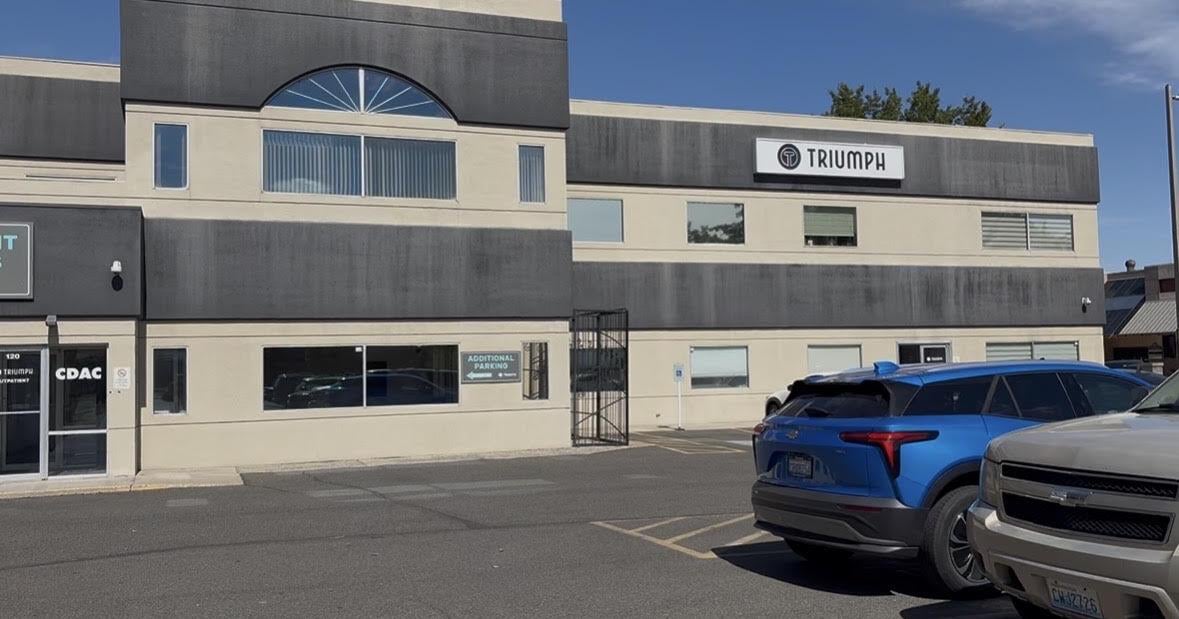
People in withdrawal often need care faster than the system can provide it. That gap matters in Yakima, where opioid use, alcohol dependence, and polysubstance use have strained families, hospitals, first responders, and treatment providers. A proposed Yakima medical detox center from Triumph Treatment Services could add a new front door for people who need supervised withdrawal care before longer treatment begins. Apple Valley News Now reported that Triumph has proposed an $8.5 million medical detox center for Yakima. The dollar figure will get attention, but the real question is simpler: will this help people enter care at the moment they are ready? In addiction treatment, timing is everything. Miss the window, and a person may return to use before a bed, assessment, or medication appointment opens.
What Stands Out
- Triumph Treatment Services has proposed an $8.5 million medical detox center in Yakima, according to Apple Valley News Now.
- Medical detox can help people withdraw from alcohol, opioids, benzodiazepines, and other substances under clinical supervision.
- A local detox option could reduce pressure on emergency rooms if it is staffed and connected to follow-up care.
- The project’s impact will depend on licensing, funding, workforce, and referral pathways after discharge.
Why the Yakima Medical Detox Center Proposal Matters
Detox is often misunderstood. It is not the same as long-term treatment, and it does not fix addiction by itself. It is the clinical starting line for people whose withdrawal symptoms may be painful, dangerous, or too hard to manage alone.
Alcohol withdrawal can cause seizures or delirium tremens. Benzodiazepine withdrawal can also be medically risky. Opioid withdrawal is usually less likely to be fatal on its own, but it can be severe enough to push someone back to use, especially when fentanyl is involved.
A detox bed is most valuable when it leads somewhere. Without a next step, detox can become a short pause instead of the start of recovery.
That is why this proposal deserves close attention. Yakima does not need another isolated service that hands people a discharge packet and hopes for the best. It needs a detox center tied tightly to medication treatment, residential care, outpatient counseling, peer support, and housing help.
What Medical Detox Actually Does
Medical detox gives patients a safer place to stop or reduce substance use while clinicians monitor symptoms. Care may include vital sign checks, withdrawal scoring, fluids, sleep support, non-addictive comfort medications, and, for opioid use disorder, medications such as buprenorphine when clinically appropriate.
The setting matters. Think of detox like the triage room in a trauma center. It is not the whole hospital stay, but it decides what happens next and how quickly the person gets the right level of care.
Beds matter, but staffing decides whether those beds work.
A strong detox program needs nurses, prescribers, counselors, case managers, and peer support workers. It also needs clear safety rules, especially for patients who arrive with co-occurring mental health symptoms, pregnancy, chronic disease, or recent overdose risk.
How a Yakima Medical Detox Center Could Help Families
Families often hit a terrible wall. A loved one finally says they want help, then the family starts calling programs and hears the same answer: no bed today. That delay can be brutal.
A local medical detox center could give families a more direct place to call when withdrawal is part of the crisis. It could also help reduce unsafe at-home detox attempts (especially from alcohol or sedatives), which can turn a private emergency into a medical one.
Still, families should ask practical questions before assuming any new center will solve the problem. Will it accept Medicaid? Will it take walk-ins or require referral? Will it treat people using fentanyl, methamphetamine, alcohol, or multiple substances? Will it provide transportation planning?
Questions residents should ask as the project moves forward
- How many detox beds are planned? Capacity will shape the center’s real-world value.
- Who will be eligible? Age, insurance, medical complexity, and substance type all matter.
- What happens after detox? Discharge planning should start on day one, not on the ride home.
- Will medication for opioid use disorder be available? Buprenorphine and methadone links can reduce overdose risk after withdrawal.
- How will the center coordinate with hospitals and first responders? A clean referral process can save hours during a crisis.
The Hard Part: Detox Without Drop-Off
Here is the thing. Detox can lower tolerance. If someone returns to the same amount of opioids they used before detox, overdose risk can rise. The National Institute on Drug Abuse has long stressed that addiction is a chronic condition that often needs continuing care, not a one-time service.
That makes follow-up care non-negotiable. A good discharge plan may include a warm handoff to residential treatment, an outpatient appointment within 24 to 72 hours, medication treatment, naloxone, peer recovery coaching, and help with basic needs such as food and a safe place to sleep.
What should Yakima watch for next? Watch whether the proposal treats detox as a doorway, not a destination, because that one distinction will shape outcomes more than the building cost.
What This Means for Local Treatment Access
Triumph Treatment Services is already a known name in the Yakima area addiction treatment system. That history may help with referrals and community trust, but it does not remove the usual barriers. Health care construction is expensive, staffing is tight, and behavioral health reimbursement can be thin.
The proposed $8.5 million price tag suggests a serious facility plan, but money alone does not answer the access question. A gleaming building with limited hours or narrow eligibility will not meet the need. A smaller operation with strong clinical links might do more good.
Local leaders should also look at how the center fits with harm reduction. Detox should connect patients to naloxone, infectious disease testing, wound care referrals, and education about overdose risk. Recovery is the goal, but survival comes first.
What Families Can Do Right Now
You do not have to wait for a new facility to prepare. If someone in your family uses alcohol, opioids, benzodiazepines, or several substances, write down local crisis numbers, treatment contacts, insurance details, and current medications. Keep naloxone in the home if opioid exposure is possible.
Ask providers direct questions. “Can you assess withdrawal risk today?” is better than “Do you have treatment?” If alcohol or sedatives are involved, tell the provider clearly, because those withdrawals can require medical monitoring.
- Call 988 if there is a mental health crisis or suicide risk.
- Call 911 for overdose, severe confusion, seizures, chest pain, or trouble breathing.
- Ask local treatment providers about same-day assessment and medication options.
- Do not push someone to quit alcohol or benzodiazepines cold turkey without medical advice.
The Test Ahead for Yakima
The proposed Yakima medical detox center could fill a real gap if it opens with enough staff, clear admission rules, and fast links to the next level of care. The community should welcome more treatment capacity while still pressing for details.
A detox center is like a kitchen during a dinner rush: the room matters, but the timing, handoffs, and skilled people keep everything from falling apart. Yakima should judge this project by one standard. Does it help people move from withdrawal to real treatment before the moment passes?
This article is for educational purposes only and should not be considered medical advice. Always consult a qualified healthcare provider before making decisions about addiction treatment. If you or someone you know is in crisis, call SAMHSA's National Helpline: 1-800-662-4357 (free, confidential, 24/7).