Woodstock Sober Living Killing Raises Safety Questions
Woodstock Sober Living Killing Raises Safety Questions A sober living house should feel steady, structured, and safe. When violence breaks that trust, people…
Woodstock Sober Living Killing Raises Safety Questions
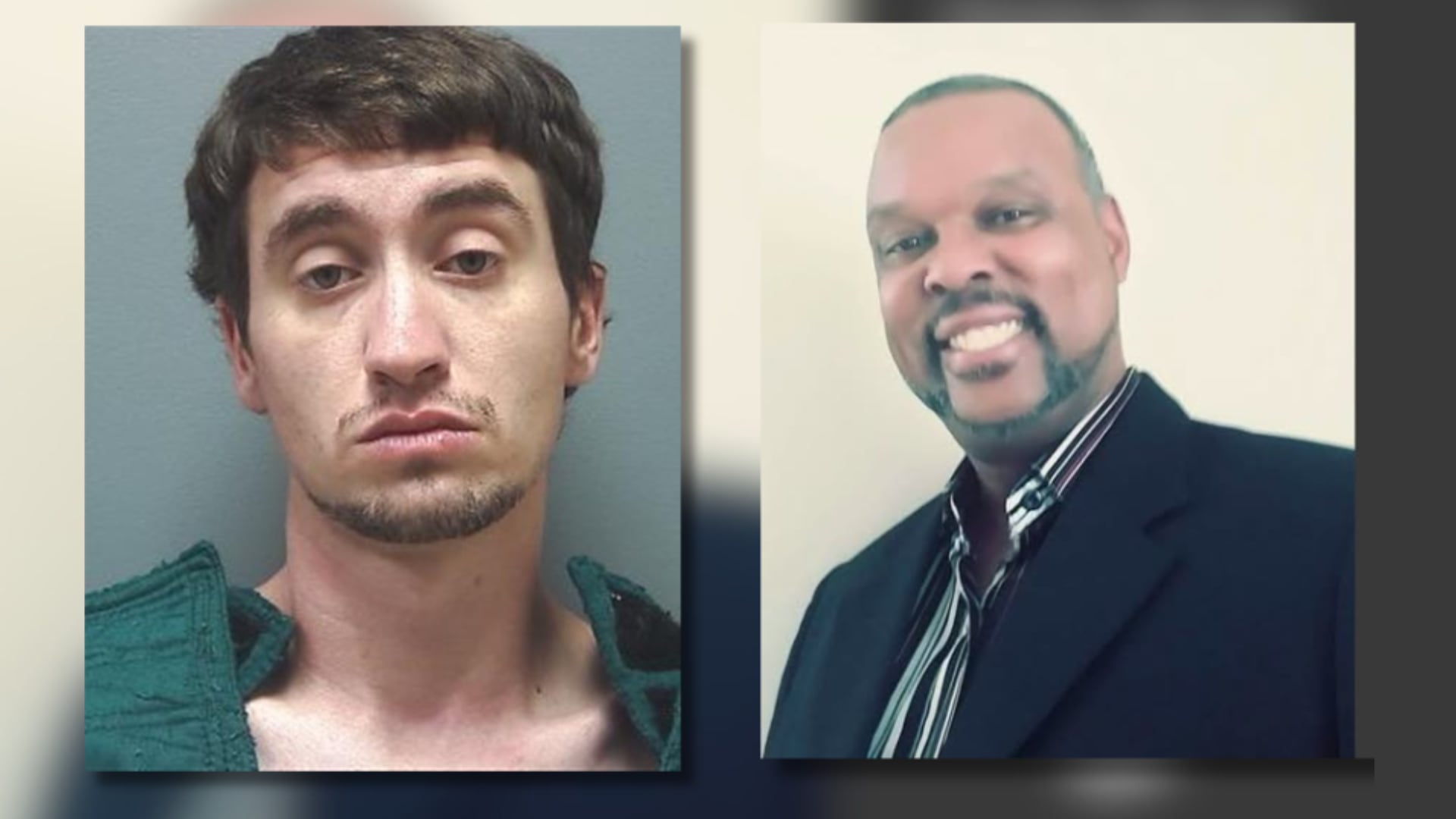
A sober living house should feel steady, structured, and safe. When violence breaks that trust, people in recovery and their families want straight answers fast. That is the real problem behind the Woodstock case, where a man was sentenced in connection with the killing of his roommate at a sober living facility. The story is not only about one crime. It also pushes a bigger question into view: how much protection should you expect from a recovery home, and what should happen when that protection fails?
For anyone looking for sober housing, the details matter. Staffing, house rules, screening, and emergency response can mean the difference between support and danger. And if you are making choices for yourself or someone you love, you cannot afford vague promises.
What this case puts in focus
- Sober living is not the same as treatment. House structure and oversight can vary a lot.
- Safety checks matter. Resident screening and conflict response are not optional.
- Families should ask direct questions before moving someone in.
- Accountability matters after a tragedy. A facility should review what went wrong and change course.
- Recovery and safety must work together. One without the other is a weak setup.
What is a sober living home, really?
A sober living home is a shared residence for people who want a drug- and alcohol-free place to live while they rebuild routine and stability. Some homes are tightly managed. Others are loose, with little more than rent collection and a posted list of rules.
That gap is why families get burned. A sign that says “recovery” does not tell you whether the house screens residents, checks for violence history, or has staff on site overnight. Who wants to guess about that?
“A sober living home can support recovery only if the basic living environment is safe enough for people to stay in it.”
Why safety standards in sober living homes vary so much
Unlike hospitals or licensed residential treatment centers, many sober living homes do not operate under one uniform national rulebook. Oversight can depend on state law, local rules, or voluntary certifications from groups such as the National Alliance for Recovery Residences, often called NARR.
That matters because one house may require curfews, drug testing, and house meetings, while another may run with almost no supervision. Think of it like apartments versus hotels. Both give you a place to sleep, but the level of service, security, and responsibility is very different.
What the best-run homes usually include
- Clear resident rules with real enforcement.
- Screening before admission.
- Drug and alcohol testing.
- A process for resolving conflict quickly.
- Access to emergency contacts and crisis response.
- Documentation of incidents and follow-up.
But even solid rules are only useful if someone enforces them. Paper policies do not stop a fight at 2 a.m.
What families should ask before choosing sober housing
If you are helping someone enter sober living, ask questions that get past the marketing. You want specifics, not comfort language.
- Is the home certified by a recognized organization?
- Who lives there now, and how are residents screened?
- Is there staff on site overnight?
- How are fights, threats, or relapses handled?
- How often are drug tests done, and who reviews the results?
- What happens if police, EMS, or a crisis team is needed?
Ask for the answers in writing if you can. A manager who hesitates or dodges is giving you useful information, even if it is not the answer you wanted.
Woodstock sober living killing and the accountability problem
The Woodstock sober living killing shows why families, courts, and providers all need to take facility safety seriously. If a resident is harmed inside a recovery home, that does not automatically mean the housing model failed. But it does mean someone should examine whether screening, supervision, or emergency response fell short.
Here is the hard part. Recovery housing often serves people who are already under stress, in fragile health, or dealing with trauma. That makes calm, consistent oversight non-negotiable. A home can have a clean kitchen and still be a bad fit if it cannot keep residents safe from avoidable violence.
What providers should review after a serious incident
- Admission screening records.
- Conflict reports and prior complaints.
- Staff coverage at the time of the incident.
- Whether house rules were enforced evenly.
- How quickly emergency services were called.
That review should not be a PR exercise. It should lead to real change, or it is just window dressing.
How to judge whether a sober living home is serious about safety
Look for signs that the home treats safety as part of recovery, not as a side issue. Do the staff talk clearly about expectations? Can they explain what happens when someone breaks rules? Do they track incidents instead of brushing them off?
Also pay attention to the feel of the place. Are common areas orderly? Are residents expected to check in and follow a daily schedule? Do staff answer direct questions without getting defensive? Those details sound small, but they often reveal whether the place is run like a recovery setting or like a cash business with a recovery label slapped on it.
Recovery housing can help people rebuild. But the housing has to be worthy of the word safe. And after a case like this, any provider that cannot explain its safety plan should expect hard questions. Why would you trust anything less?
What should happen next
Families should demand stronger transparency from sober living homes. Policymakers should push for clearer standards on screening, supervision, and incident reporting. And providers should stop pretending that recovery and safety are separate jobs.
The next time you tour a house, ask the awkward questions first. That is how you protect recovery before tragedy forces the issue.
This article is for educational purposes only and should not be considered medical advice. Always consult a qualified healthcare provider before making decisions about addiction treatment. If you or someone you know is in crisis, call SAMHSA's National Helpline: 1-800-662-4357 (free, confidential, 24/7).