Wildfire Recovery Support After Spokane Fires
Wildfire Recovery Support After Spokane Fires You need clear wildfire recovery support long before the ash is cleared. After a fire, families face insurance…
Wildfire Recovery Support After Spokane Fires
You need clear wildfire recovery support long before the ash is cleared. After a fire, families face insurance calls, medical needs, smoke damage, lost records, school disruption, and the hard task of deciding what can be saved. That pressure lands fast, and it often lands on people who are already exhausted.
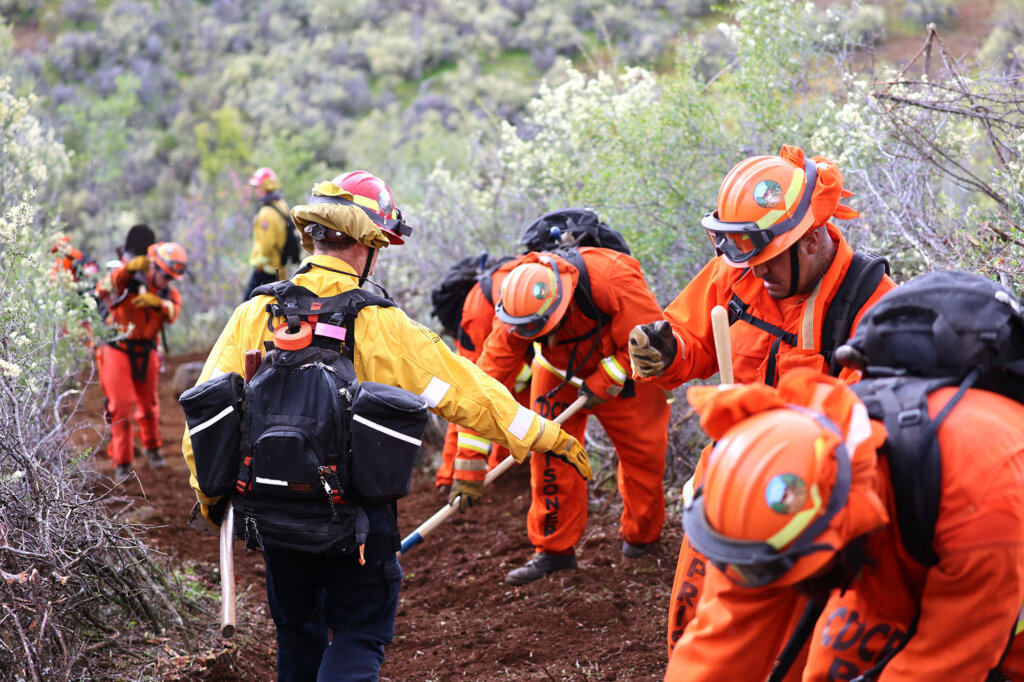
Senator Patty Murray’s Spokane visit put a spotlight on that reality. According to her office, she met with first responders, toured damaged property, spoke with an impacted family, and said she would push for federal resources to support recovery. That matters because disaster recovery is not one agency’s job. It is a relay race, more like a baseball bullpen than a solo performance. Local crews, counties, FEMA, health providers, insurers, nonprofits, and families all have to do their part.
What to Watch Now
- Recovery starts with documentation. Photos, receipts, claim numbers, and official letters can affect aid decisions.
- Mental health care belongs in the first wave. Shock, grief, and sleep loss can impair judgment after a disaster.
- Federal help can be slow. Families should track local, state, nonprofit, and federal options at the same time.
- First responders need support too. Firefighters, medics, dispatchers, and law enforcement often carry trauma after the flames are out.
Why Wildfire Recovery Support Is a Health Issue
Property loss gets most of the attention, and for good reason. A burned home is a financial and emotional rupture. But recovery also affects breathing, sleep, medication access, childcare, school routines, and substance use risk.
People often make major decisions while they are tired, displaced, and surrounded by paperwork. Should you return to a smoke-damaged home? Can you replace prescriptions? What if your child will not sleep? These are health questions, not side issues.
“Disaster recovery is strongest when mental health, housing, medical care, and financial aid are treated as connected needs, not separate chores.”
I have covered disasters long enough to distrust tidy recovery timelines. The public story often moves on after the press conference, while families are still arguing with adjusters and trying to find clean socks. That gap is where people fall through.
What Murray’s Spokane Visit Signals About Wildfire Recovery Support
Senator Murray’s office said she met with Spokane-area first responders and an impacted family, and affirmed she would fight for federal resources. That is not a blank check, and nobody should pretend it is. But it does signal that local recovery needs are being pushed into the federal conversation.
Federal support can include public assistance for damaged infrastructure, individual assistance in certain disaster declarations, Small Business Administration disaster loans, and funding tied to emergency response. The details depend on declarations, eligibility rules, and damage assessments. Boring? Yes. Non-negotiable? Also yes.
Speed matters.
Families should not wait for one perfect program to appear. A smarter approach is to build a paper trail and apply across channels as options open. Think of it like cooking for a large family after the power goes out. You do not bet dinner on one burner. You use every safe heat source you have.
First Responders Need More Than Praise
Public thanks is fine, but it does not replace staffing, equipment, rest, and behavioral health care. Firefighters and emergency crews may see neighbors lose homes, animals, heirlooms, and sometimes lives. Dispatchers hear panic in real time, then move to the next call with no clean break.
Departments should treat post-incident support as part of the response plan. Peer support, confidential counseling, and time for decompression reduce risk. The National Institute for Occupational Safety and Health has long warned that emergency workers face elevated stress after disasters, and local leaders should budget like that is true.
What leaders can do now
- Offer confidential counseling without making workers request it through supervisors.
- Rotate crews when possible to limit repeated trauma exposure.
- Track overtime and fatigue, not only equipment use.
- Include dispatchers, public works staff, and volunteers in support plans.
Family Support After a Wildfire
Families often need a simple first-week plan. The best one I have seen starts with safety, documents, medication, and one stable contact person. That contact can be a relative, caseworker, pastor, school staff member, or trusted friend.
Children may not have the words for what happened. You may see stomachaches, anger, clinginess, silence, or sudden fear of wind and smoke. Adults can show the same distress in different packaging, like short tempers, numbness, or risky drinking.
A practical family checklist
- Confirm where everyone will sleep for the next seven nights.
- Replace essential medications, glasses, hearing aids, mobility devices, and medical equipment.
- Take photos of damage before cleanup, if officials say it is safe to enter.
- Save every receipt tied to lodging, food, repairs, fuel, and replacement items.
- Tell your child’s school or care provider about the displacement.
- Ask your insurer for claim deadlines and temporary housing rules in writing.
- Call 988 or the Disaster Distress Helpline if stress feels unmanageable.
That last item deserves direct language. You do not have to be in crisis to ask for help. Early support can prevent a bad week from becoming a dangerous month.
Mental Health Risks Can Show Up Later
After a fire, adrenaline can carry people through the first stretch. Then the second wave hits. Bills arrive, smoke smells linger, neighbors move away, and the old routine is gone.
Common reactions include poor sleep, headaches, guilt, panic, and trouble making decisions. Some people also increase alcohol, cannabis, or prescription sedative use to get through the night. That may feel like relief, but it can turn into another problem fast.
What should you watch for? If you or someone in your home cannot sleep for several nights, talks about hopelessness, uses more substances than usual, or avoids basic recovery tasks, bring in help. Primary care doctors, community mental health clinics, faith leaders, school counselors, and crisis lines can all be entry points.
How to Make Aid Less Confusing
Disaster aid is famous for its paperwork, and that reputation is earned. Still, families can make the process less punishing by using one folder, one notebook, and one shared digital backup if possible. Keep claim numbers, names, dates, and next steps in one place.
Do not rely on memory. Stress shreds recall, and every agency speaks in its own dialect. Write down what each person tells you, then ask for email confirmation when possible.
Questions to ask every agency or insurer
- What program am I applying for?
- What documents do you need from me?
- What is the deadline?
- How will you contact me?
- What should I do if my address or phone number changes?
- Can I appeal if I am denied?
Local officials and elected leaders can help by publishing plain-language recovery pages and updating them often. A family that lost its home should not have to decode five websites to find one form.
The Hard Part Comes After the Cameras Leave
Spokane’s recovery will be measured in permits, counseling visits, school stability, rebuilt homes, and families that decide they can stay. Federal attention helps, but follow-through will matter more. The question now is simple. Will recovery systems move at the speed families actually need?
If you are helping someone after a wildfire, start small today. Ask what deadline is closest, what document is missing, and whether they slept last night. Those answers often reveal the next right step.
This article is for educational purposes only and should not be considered medical advice. Always consult a qualified healthcare provider before making decisions about addiction treatment. If you or someone you know is in crisis, call SAMHSA's National Helpline: 1-800-662-4357 (free, confidential, 24/7).