Wildfire Recovery Support: What Residents Need Now
Wildfire Recovery Support: What Residents Need Now After a wildfire, the hardest part often starts when the flames pull back. You may be dealing with damaged…
Wildfire Recovery Support: What Residents Need Now
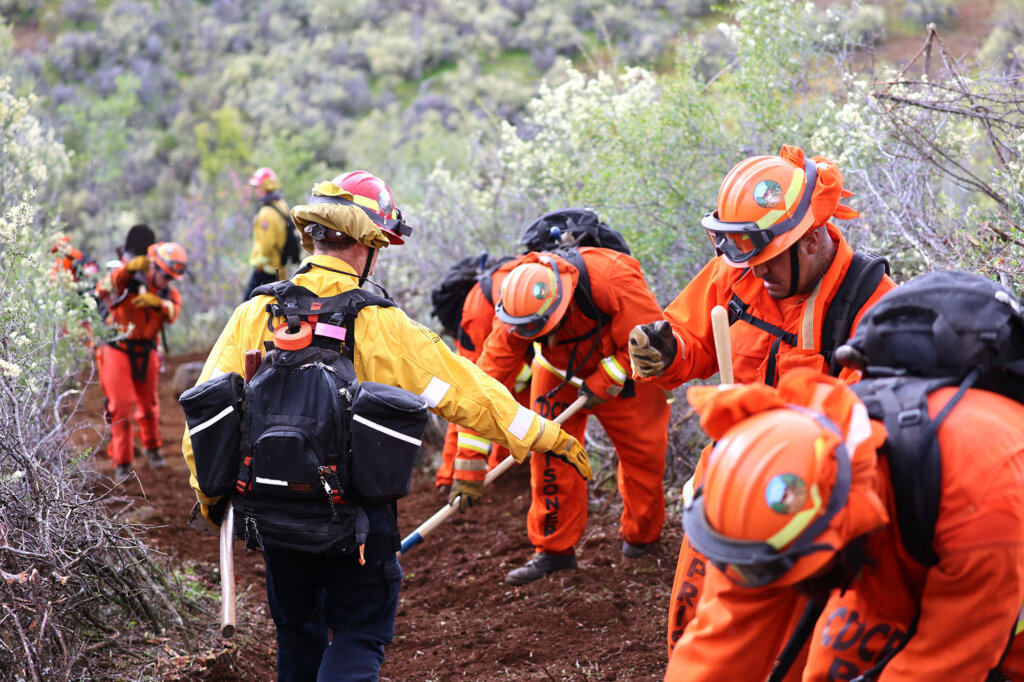
After a wildfire, the hardest part often starts when the flames pull back. You may be dealing with damaged property, insurance calls, lost routines, and the strain that hits families once the first wave of emergency news fades. That is why wildfire recovery support matters right now, especially when officials say containment is still at 45 percent and recovery help is already being organized. People need clear steps, not vague reassurance. They need to know where to find housing help, emotional support, cleanup guidance, and local assistance without wasting time. Look, recovery is rarely neat. It moves more like rebuilding after a storm mixed with a long paperwork fight. The sooner you sort the basics, the easier it is to steady your next few weeks.
What to focus on first
- Confirm safety before returning home and follow local clearance updates.
- Document damage with photos and video before moving debris or starting repairs.
- Contact insurers and local aid programs as early as possible.
- Pay attention to mental health, especially for children, older adults, and displaced families.
Why wildfire recovery support matters after containment updates
Containment numbers can mislead people. A fire that is 45 percent contained is not finished, and life does not snap back because the headline sounds better. Officials may begin recovery support while active response continues, which is common in large fire events.
That overlap matters because families often make rushed decisions. Should you go back now? Can cleanup start? Is the air safe enough for kids or someone with asthma? Those answers depend on local emergency management, public health guidance, and utility updates, not hope.
Recovery starts before life feels normal. Waiting for perfect clarity usually costs time, money, and options.
Wildfire recovery support resources to ask about
Officials in the News4JAX report said resources for recovery support are being offered. That usually points to a mix of local government aid, nonprofit help, and community-based services. But you should ask specific questions, because broad promises are not the same as usable help.
Housing and basic needs
If your home is damaged or inaccessible, ask about temporary shelter, hotel assistance, rental support, food access, and replacement of basic items. The American Red Cross often helps after fire disasters, and local emergency management offices may direct residents to county or state relief.
Insurance and documentation
Start a file today. Include claim numbers, adjuster names, receipts, photos, evacuation notices, and a written list of losses. Think of it like keeping a box score during a long baseball season. Miss a few entries early, and the numbers get messy fast.
Mental health and recovery counseling
Wildfires do more than burn structures. They shake sleep, concentration, mood, and family stability. Ask local officials whether crisis counseling, trauma support, school-based counseling, or referral lines are available. And if you already live with anxiety, depression, or substance use issues, the stress of displacement can push symptoms higher.
That part is often underestimated.
How to handle the first 72 hours of wildfire recovery support
Honestly, the first few days can feel scattered. A simple order helps.
- Check official return guidance and road closures.
- Take photos and video of all damage, indoors and outdoors.
- Call your insurance carrier and ask what they need first.
- Save every receipt tied to lodging, food, gas, and emergency supplies.
- Ask local agencies about debris removal rules before you start hauling materials.
- Contact your employer, school, and healthcare providers if displacement affects work, medications, or attendance.
- Reach out for emotional support early, especially if children show fear, irritability, or sleep changes.
Why move this quickly? Because delays can create avoidable problems with claims, aid eligibility, and cleanup safety.
What families often miss during wildfire recovery support
Many people focus on visible damage and ignore the less obvious fallout. Smoke exposure, medication access, child stress, pet care, and income disruption can hit just as hard as a damaged roof. And if you are caring for an older adult or a person with a disability, recovery needs get more layered fast.
Ask yourself a blunt question. What will make daily life workable for the next two weeks, not just today?
That shift in thinking helps. It turns recovery from a panic sprint into a plan.
Children and teens
Kids may not describe stress clearly. They may act clingy, withdrawn, angry, or distracted instead. Keep routines as steady as possible, limit repeated disaster footage, and tell them what is happening in simple terms. If school counselors or local family support services are available, use them.
People in recovery or with mental health conditions
Disaster stress can increase relapse risk and emotional strain. If you or someone in your home is in recovery, protect the basics first. Meetings, medication continuity, sleep, meals, and contact with supportive people are non-negotiable. Local recovery groups, telehealth providers, and crisis lines can help bridge gaps if travel or housing is unstable.
How to judge whether wildfire recovery support is actually useful
Some aid sounds good in a press update but falls apart in practice. A useful resource should tell you who qualifies, how to apply, what documents are needed, when help starts, and who to call if the process stalls. If none of that is clear, keep asking.
But do not wait for one perfect agency to solve everything. Real recovery usually comes from stacking support. Insurance, local relief, nonprofits, schools, employers, churches, and neighbors all fill different gaps (and some will move much faster than others).
- Good support has clear eligibility rules and contact details.
- Weak support stays vague and pushes you from office to office.
- Best case is a local hub or case manager who can connect housing, counseling, and financial help in one place.
Where wildfire recovery support fits into long-term health
Recovery is not only about cleanup. It is also about preventing the second wave of harm that follows disasters. Chronic stress can worsen blood pressure, sleep problems, depression, and substance use. That is one reason public health experts often stress early support after disasters, even when physical injuries are limited.
If your area is opening recovery resources now, use them early rather than waiting until stress piles up. The strongest move is often the least dramatic one. Make the calls, keep records, and accept help before things slide.
The next smart move
If you are affected by this fire, start a recovery folder tonight. Put in photos, receipts, contact names, medication lists, housing notes, and every official update you can verify. Then check which local recovery resources are open now and which ones are coming next.
Wildfire recovery support works best when residents treat it like a long campaign, not a single rescue moment. The fire line may define the news cycle. Your ability to rebuild depends on what happens after that, and whether local systems can turn public promises into real help.
This article is for educational purposes only and should not be considered medical advice. Always consult a qualified healthcare provider before making decisions about addiction treatment. If you or someone you know is in crisis, call SAMHSA's National Helpline: 1-800-662-4357 (free, confidential, 24/7).