Wichita Water Treatment Plant Update Brings Relief
Wichita Water Treatment Plant Update Brings Relief Wichita residents do not need another reminder that water systems matter only when something goes wrong. The…
Wichita Water Treatment Plant Update Brings Relief
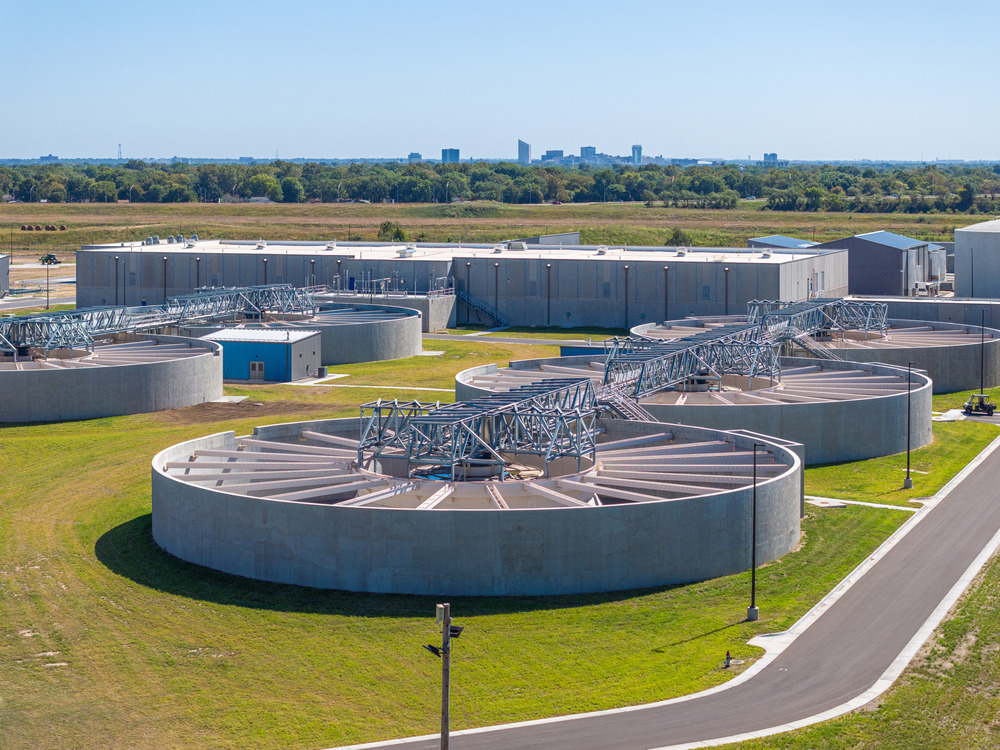
Wichita residents do not need another reminder that water systems matter only when something goes wrong. The latest Wichita water treatment plant update gives the city a better path forward, and that matters now because delays, cost pressure, and regulatory checks can ripple into rates and service reliability. If you pay a water bill, run a business, or just expect clean water when you turn on the tap, this is your issue too.
The project sits at the center of a basic public promise. Safe water should be boring. But building the plant is anything but boring, because every decision affects timeline, financing, and trust. The state’s positive update does not erase the work ahead, yet it does lower the risk of a messy stall. And that is no small thing.
What stands out in the Wichita water treatment plant update
- The city received a more favorable signal from state officials on the project.
- That support can help keep planning and financing on track.
- The plant remains a major infrastructure job with long-term impact on water quality and reliability.
- Residents should watch for how the update affects costs, construction timing, and future rate decisions.
Why the Wichita water treatment plant matters to you
A water plant is like the foundation of a house. You rarely think about it when it works, but everything above it depends on it. Wichita’s system has to serve homes, schools, hospitals, and employers, and a strained plant can turn into a citywide headache fast.
Clean water is also a planning issue, not just a utility issue. Growth, drought risk, equipment age, and federal or state standards all land on the same desk. That is why a positive update from the state matters. It gives city leaders room to keep moving instead of scrambling.
“The best infrastructure news is the kind that prevents a crisis before it shows up.”
What this state update could change
The immediate value is momentum. When state officials give a project a better review, it can strengthen the city’s case for moving ahead with permitting, scheduling, and funding decisions. That matters because public works projects slow down when agencies hesitate.
It can also shape public confidence. If the city can show it has state support, residents are more likely to accept the idea that the project is on solid ground. But confidence does not pay for steel, concrete, or specialized treatment systems. Who wants another half-finished project sitting around for years?
What to watch next
- Whether the city releases new cost estimates.
- Whether construction timelines change.
- Whether officials discuss rate impacts for households and businesses.
- Whether the state adds more conditions or approvals.
Wichita water treatment plant costs and public pressure
Big utility projects almost always raise the same question. Who pays? The answer usually lands on a mix of local ratepayers, bonds, and public financing, with the details shaped by city council decisions and state oversight. That is where this story gets real for people outside city hall.
Residents often care less about engineering plans than about the bill in their mailbox. Fair. But long-delayed repairs can cost more later, and that can be a nasty tradeoff. A cleaner approval path now may help Wichita avoid a pricier mess down the line.
Look, water infrastructure rarely wins applause. But it can quietly shape whether a city feels stable or brittle. And right now, Wichita looks a little less brittle than it did before this update.
What this means for the next phase
The city still has to turn a positive update into actual progress. That means paperwork, oversight, construction management, and public reporting. No shortcuts. The good news is that the project appears to have moved from uncertainty toward execution, which is where it belongs.
If Wichita keeps that momentum, the water treatment plant could become a case study in what patient infrastructure work looks like when local and state officials stay aligned. If not, it turns into another lesson in how easy it is to lose time on projects that should have been built on a firmer schedule. Which version do you think Wichita wants on the record?
What happens now
The next step is simple: watch whether the state’s positive signal turns into concrete action. That means tracking council updates, public meetings, and budget changes. The story is no longer about whether the city has attention. It is about whether it can convert that attention into a finished plant that does its job for decades.
This article is for educational purposes only and should not be considered medical advice. Always consult a qualified healthcare provider before making decisions about addiction treatment. If you or someone you know is in crisis, call SAMHSA's National Helpline: 1-800-662-4357 (free, confidential, 24/7).