Why Alcohol Is the Deadliest Drug
Why Alcohol Is the Deadliest Drug Alcohol is easy to miss as a public health threat because it is legal, common, and built into social routines. But if you are…
Why Alcohol Is the Deadliest Drug
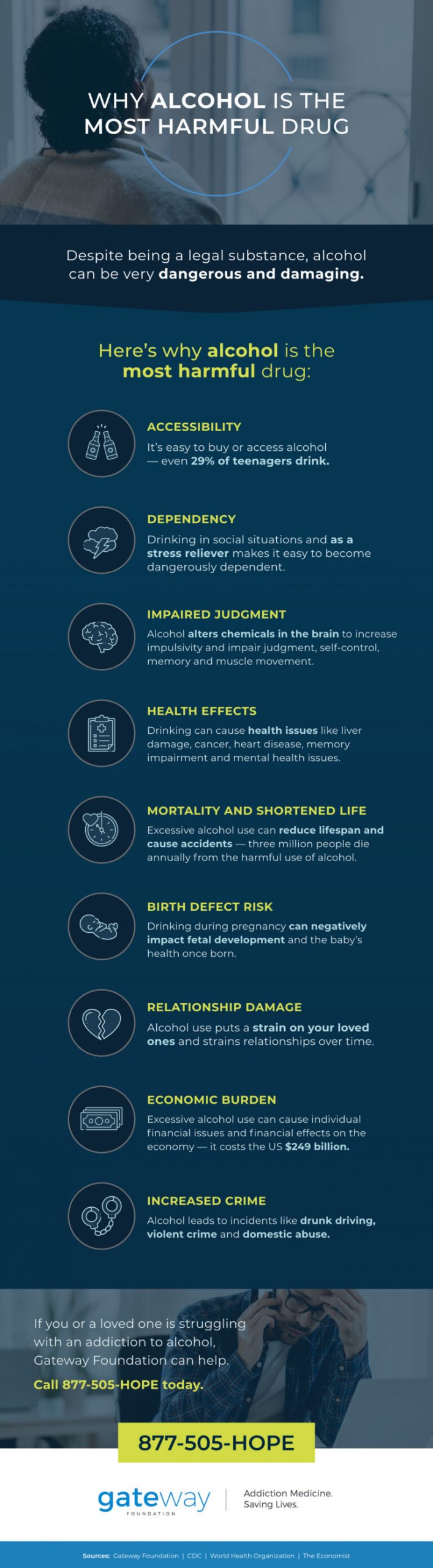
Alcohol is easy to miss as a public health threat because it is legal, common, and built into social routines. But if you are trying to understand why alcohol is the deadliest drug, you need to look past the cultural noise and focus on the damage. Alcohol drives overdose deaths, chronic disease, injuries, violence, and family disruption. It also lowers judgment fast, which makes every other risk worse. That is the real problem. People often compare drugs by how “hard” they seem, but the deadliest substances are the ones that hurt the most people over time. Alcohol does that with brutal consistency. Why do we keep treating it like a harmless habit?
What makes alcohol so dangerous?
Alcohol is dangerous because it affects the brain, liver, heart, and behavior at the same time. It can cause poisoning in a single night, but it can also fuel cancer, liver disease, pancreatitis, and heart problems over years. The National Institute on Alcohol Abuse and Alcoholism says alcohol use is linked to a wide range of health harms, and the CDC has long tracked alcohol as a major driver of preventable death in the U.S.
It also works like a domino line in a tight hallway. One drink can lead to poor decisions, then injuries, then risky sex, then a crash, then a legal problem, then withdrawal, then another drink to avoid feeling sick. That chain is why alcohol’s harm is so broad.
- It is widely available. Easy access means more heavy use and more repeated harm.
- It can be toxic quickly. Alcohol poisoning can shut down breathing and consciousness.
- It changes behavior. Intoxication raises the risk of assault, falls, and crashes.
- It causes long-term illness. Chronic use raises the risk of several serious diseases.
MainKeyword and the hidden cost of binge drinking
Binge drinking is one of the clearest reasons why alcohol is the deadliest drug. It spikes blood alcohol levels fast and overwhelms the body. The CDC defines binge drinking as a pattern that raises blood alcohol concentration to 0.08% or higher, often after just a few drinks in a short period.
Alcohol does not need to be used daily to be deadly. A single high-risk night can end in poisoning, a crash, violence, or a fatal fall.
That is why alcohol injury numbers are so severe. A person does not need to be “addicted” by a narrow definition to be at risk. One night of heavy drinking can be enough.
Why alcohol beats many illicit drugs on death toll
Illegal drugs often get more fear, but alcohol causes far more total damage because of scale. Millions of people use it, often without thinking of themselves as at risk. That broad exposure creates a huge base of harm. The deadly part is not only how alcohol acts in one body. It is how many bodies it reaches.
Here is the thing: a drug does not need to be illegal to be lethal. Alcohol is tied to traffic deaths, falls, drownings, homicides, suicide risk, and organ damage. It can also worsen depression and anxiety, which makes mental health crises harder to manage. That mix is hard to beat.
The role of withdrawal and addiction
Alcohol dependence can be life-threatening because withdrawal may cause seizures, hallucinations, and delirium tremens. That is one reason detox should be medically supervised for people with heavy use. Stopping suddenly is not always safe.
And addiction does not always look like chaos. Some people keep jobs, pay bills, and still drink enough to build serious medical risk. Functioning is not the same as safe.
MainKeyword and the health damage people underestimate
People tend to notice cirrhosis first, but alcohol affects much more than the liver. Heavy drinking raises the risk of high blood pressure, stroke, several cancers, immune problems, and sleep disruption. The World Health Organization has identified alcohol as a causal factor in more than 200 disease and injury conditions.
That statistic matters because it shows how wide the damage spreads. Alcohol is not a single-issue drug. It is a systems problem.
- Liver damage from fatty liver to cirrhosis.
- Brain effects including memory problems and poor impulse control.
- Heart strain such as high blood pressure and irregular heartbeat.
- Cancer risk that rises with heavier and more frequent drinking.
So what should you watch for?
If you are trying to judge your own risk, look at patterns, not excuses. Are you drinking more than you planned? Do you need alcohol to relax, sleep, or socialize? Have friends or family commented on your use?
That single question can change the conversation. If alcohol is helping you cope, what is it costing you?
Warning signs also include blackouts, morning drinking, hiding bottles, failed attempts to cut back, and drinking despite health, work, or relationship problems. Those are not small slips. They are signals.
What helps if alcohol is already a problem?
Start with an honest check on safety. If you drink heavily every day, do not stop cold turkey without medical advice. Withdrawal can be dangerous. A doctor, addiction specialist, or detox program can help you taper or detox safely.
Support can include outpatient treatment, counseling, medication for alcohol use disorder, peer groups, and family support. The right plan depends on how much you drink, how long you have been drinking, and whether mental health symptoms are part of the picture.
Small change helps, but structured help often works better. Alcohol problems usually do not shrink on wishful thinking alone.
What the public keeps getting wrong
People often rank drugs by reputation instead of harm. Heroin gets labeled deadly, and it can be. But alcohol quietly outpaces many drugs because it is everywhere and socially protected. That makes it harder to challenge and easier to excuse.
There is also a weird double standard. If a substance caused this many crashes, hospital visits, cancers, and deaths, would we call it normal nightlife? Probably not. But alcohol has history and marketing on its side.
What comes next
Alcohol is deadliest when people stop seeing it clearly. The next step is not panic. It is a harder look at how often you drink, why you drink, and what happens after. If alcohol is part of your life, treat it like a real risk, because it is one. And if you are seeing warning signs in yourself or someone close to you, do not wait for a crisis to force the issue.
This article is for educational purposes only and should not be considered medical advice. Always consult a qualified healthcare provider before making decisions about addiction treatment. If you or someone you know is in crisis, call SAMHSA's National Helpline: 1-800-662-4357 (free, confidential, 24/7).