Why Addiction Treatment After Detox Matters
Why Addiction Treatment After Detox Matters You finished detox, and that is a real milestone. But if you stop there, you leave the hardest part untouched.…
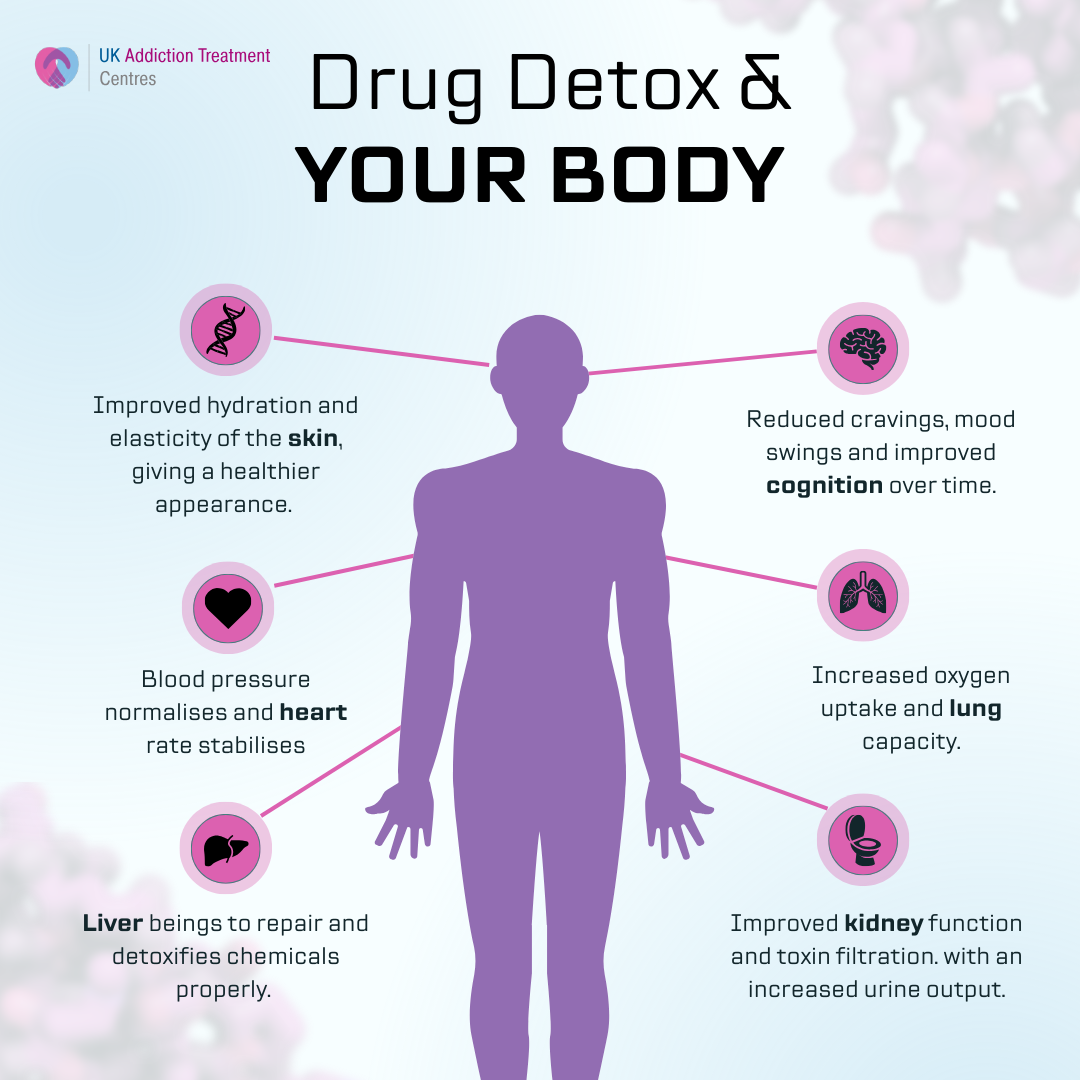
Why Addiction Treatment After Detox Matters
You finished detox, and that is a real milestone. But if you stop there, you leave the hardest part untouched. Addiction treatment after detox is where you start dealing with cravings, triggers, habits, and the stress that pushed substance use in the first place. That matters now because relapse risk is often highest right after withdrawal ends, when people feel physically better but are still exposed to the same pressures that fueled use.
Detox is the opening move, not the game plan. Without follow-up care, you may be left trying to manage a chronic condition with willpower alone. Why gamble on that?
What changes after detox
- Withdrawal symptoms ease, but cravings can still hit hard.
- Your brain and body need time to adjust to life without substances.
- Triggers at home, work, and in relationships are still there.
- You need skills, structure, and support to avoid sliding back.
- Medication, therapy, and peer support can reduce relapse risk.
Why addiction treatment after detox is the real turning point
Detox handles the physical side of dependence. It does not teach you how to handle panic, shame, boredom, anger, or the people and places tied to use. That is where treatment comes in. It gives you tools for the mental and behavioral side of recovery, which is the part that usually trips people up.
Think of it like fixing a roof leak. Stopping the drip is useful, but if you do not repair the damaged wood underneath, the problem comes back. Recovery works the same way.
Detox can clear the substance. Treatment helps clear the pattern.
What effective treatment can include
Not every person needs the same level of care. The right plan depends on your substance use history, home life, mental health, and past relapse patterns.
Therapy and counseling
Individual therapy can help you identify triggers, build coping skills, and work through trauma or depression. Cognitive behavioral therapy, for example, is often used to challenge thought patterns that lead to use.
Medication support
For some people, medication is part of recovery. Medications for opioid use disorder, such as buprenorphine or methadone, can reduce cravings and lower overdose risk. For alcohol use disorder, options like naltrexone may help some patients stay on track. A clinician should guide these decisions.
Group and peer support
Group treatment and peer support can make recovery less isolating. You hear from people who know the same pressure, the same setbacks, and the same fear of starting over.
Higher levels of care when needed
If home is unstable or relapse risk is high, partial hospitalization or residential treatment may make sense. These programs add structure, supervision, and daily support when you need more than weekly appointments.
What the numbers say about relapse and follow-up care
Substance use disorder is widely treated as a chronic condition because relapse can happen, even after a solid start. The National Institute on Drug Abuse has long noted that relapse rates for substance use disorders are similar to those seen with other chronic illnesses such as diabetes or hypertension. That does not mean treatment fails. It means recovery often needs ongoing management, not a single intervention.
The practical lesson is plain. The more support you have after detox, the better your odds of staying stable. That support can include counseling, medication, structured programs, and family involvement.
How to choose the next step
- Ask whether you need outpatient care, intensive outpatient care, or residential treatment.
- Check whether the program treats mental health concerns alongside addiction.
- Ask how the team handles relapse prevention and crisis planning.
- Look for medication access if opioids or alcohol are part of your history.
- Make sure the plan fits your work, family, and transportation needs.
But the best program on paper is useless if you will not attend it. The plan has to fit your life, not some ideal version of it.
Recovery is often compared to training for a marathon. Detox gets you to the starting line. Treatment after detox is the training block that helps you keep going when the first mile feels easy and the tenth one burns.
What families should watch for
If someone you care about has completed detox, do not assume the danger has passed. Watch for isolation, skipped appointments, sudden mood shifts, and contact with old using networks. These are not proof of relapse, but they are signals that support may need to tighten up.
Ask direct questions. Offer rides, help with scheduling, and calm accountability. Small moves matter more than dramatic speeches.
A better next step after detox
Detox is useful because it creates room for change. It does not create change on its own. The next step should be a treatment plan that matches the real risks in your life, not a generic promise that everything will be fine.
If you are leaving detox now, what support will be in place tomorrow morning?
This article is for educational purposes only and should not be considered medical advice. Always consult a qualified healthcare provider before making decisions about addiction treatment. If you or someone you know is in crisis, call SAMHSA's National Helpline: 1-800-662-4357 (free, confidential, 24/7).