WHO Nicotine Pouches Push Raises Alarm
WHO Nicotine Pouches Push Raises Alarm If you use lower-risk nicotine products, or follow tobacco harm reduction policy, the latest World Health Organization…
WHO Nicotine Pouches Push Raises Alarm
If you use lower-risk nicotine products, or follow tobacco harm reduction policy, the latest World Health Organization nicotine pouches debate matters right now. A recent Filter report argues that WHO is pushing a harder line on nicotine pouches, even though many public health experts see them as a lower-risk option than smoking. That matters because WHO language often shapes national rules, taxes, product bans, and public messaging. And once those policies harden, they are hard to roll back.
The core issue is simple. Should regulators treat nicotine pouches like cigarettes, or should they recognize the sharp risk gap between combustible tobacco and smoke-free products? That question affects millions of adults who want a way out of smoking.
What stands out
- WHO nicotine pouches policy could influence laws far beyond Geneva.
- Critics say the agency is blurring the line between smoking and lower-risk nicotine use.
- That blur can lead to bans, higher taxes, and weaker harm reduction options.
- The real policy test is whether adults who smoke get better alternatives, not fewer.
Why the WHO nicotine pouches fight matters
WHO does not write every country’s laws. But it sets the tone. Health ministries, lawmakers, and advocacy groups often treat its recommendations as a baseline, especially in lower-income countries that rely on outside guidance.
Look, words on paper can become real barriers fast. If nicotine pouches get lumped together with cigarettes, governments may restrict flavors, limit sales, raise excise taxes, or ban products outright. For adults trying to move away from smoking, that is like closing the side door while keeping the front door on fire.
That comparison fits because risk is not flat. Cigarettes burn tobacco and produce smoke, tar, and thousands of chemicals linked to cancer, heart disease, and lung disease. Nicotine pouches do not involve combustion.
Public health policy works best when it matches the risk profile of the product in question. Treating every nicotine product the same may sound tidy, but tidy policy can be bad policy.
What Filter says about WHO nicotine pouches messaging
According to Filter’s reporting, WHO is taking a more hostile stance toward nicotine pouches and framing them as a growing threat, rather than placing them inside a harm reduction framework. The article points to concerns that WHO messaging does not adequately distinguish between products that cause the vast bulk of tobacco-related death and products that likely sit far lower on the risk ladder.
That distinction is non-negotiable.
And here is the problem. Public health agencies sometimes act as if any nicotine use is the main enemy. But smoking-related disease comes primarily from inhaling burned tobacco, not from nicotine alone. That does not make nicotine harmless. It does mean policy should rank dangers honestly.
What nicotine pouches are, and what they are not
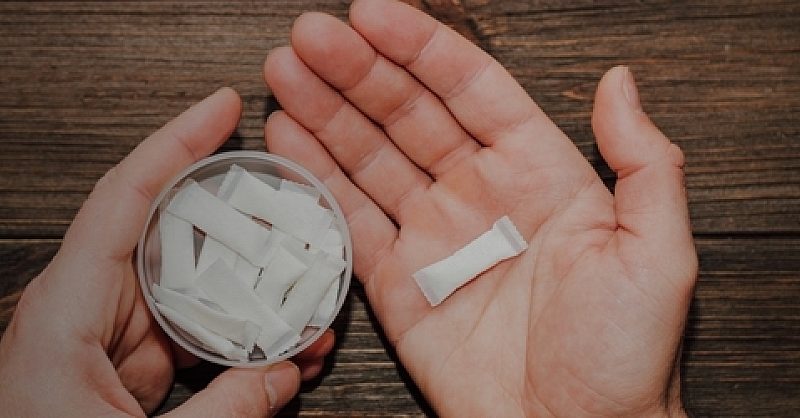
Nicotine pouches are small oral pouches that contain nicotine and other ingredients, but no tobacco leaf. Users place them between the gum and lip. There is no smoke, no vapor, and no need to spit.
They are often compared with snus, though the products differ. Snus usually contains tobacco. Most nicotine pouches do not. That matters for regulation, product standards, and how researchers estimate risk.
Why some experts support them for harm reduction
- They remove combustion, which is the deadliest part of smoking.
- They can be discreet and simple to use, which may help some adults switch fully.
- They may appeal to smokers who do not want to vape.
- They give policymakers another off-ramp for cigarette users.
Honestly, that range of options matters more than activists like to admit. People quit smoking in different ways. Some use medication. Some switch to vapes. Some use oral nicotine products. Why narrow the lane if the goal is fewer cigarettes?
The weak spot in the anti-pouch argument
The strongest case for tighter oversight is youth access. That concern is real, and regulators should address it with age limits, marketing rules, packaging standards, and enforcement. But youth concerns do not justify pretending that all nicotine products carry the same level of harm.
This is where tobacco policy often goes off the rails. Officials see one valid concern, then use it to support a broad crackdown that also punishes adults who smoke. It is the policy version of a chef burning the whole menu because one dish needs work.
A smarter approach would separate two goals instead of smashing them together:
- Keep nicotine products away from minors.
- Keep lower-risk alternatives available to adults who would otherwise smoke.
How WHO nicotine pouches policy could shape real-world regulation
If WHO keeps pushing an alarm-heavy line on nicotine pouches, several policy moves could follow. None are hypothetical in the broader tobacco control world. We have seen versions of them before with vaping, snus, and heated tobacco products.
1. Product bans
Some governments may block sales altogether, especially where harm reduction is politically weak. That can protect cigarette sales more than public health.
2. Tax parity with cigarettes
Taxing low-risk products at or near cigarette levels sends the wrong price signal. Consumers respond to price. If the safer option costs almost as much, some people stay with smoking.
3. Flavor restrictions
Flavor policy is tricky. But for many adults, non-tobacco flavors make switching easier. A blanket ban can reduce product appeal for smokers without doing much to fix weak retail enforcement.
4. Public confusion
And this may be the biggest problem of all. If people hear that pouches are basically the same as cigarettes, some will conclude there is no point in switching. That is not a minor messaging error. It can cost lives over time.
What balanced nicotine pouch regulation looks like
You do not need to cheerlead for nicotine pouches to support sensible policy. A balanced system would be strict where it should be, and honest about relative risk.
Here is a practical framework:
- Set and enforce minimum age laws.
- Require ingredient disclosure and manufacturing standards.
- Restrict youth-focused branding and marketing.
- Monitor adverse events and usage trends.
- Tax products according to relative risk, not political optics.
- Tell the public the truth about the difference between smoking and smoke-free nicotine.
That last point is where many institutions freeze up. They fear nuance. But good health communication needs nuance.
What to watch next
The WHO nicotine pouches debate is bigger than one product category. It is really a test of whether global public health will accept harm reduction where the evidence points, or whether it will keep pushing abstinence-first messaging that ignores how people actually change behavior.
For readers who care about tobacco policy, the next step is simple. Watch how national regulators describe pouches, how they tax them, and whether they compare them clearly with combustible cigarettes. The language tells you where the law is heading.
And if major health bodies refuse to draw a hard line between smoking and smoke-free alternatives, who exactly benefits from that confusion?
This article is for educational purposes only and should not be considered medical advice. Always consult a qualified healthcare provider before making decisions about addiction treatment. If you or someone you know is in crisis, call SAMHSA's National Helpline: 1-800-662-4357 (free, confidential, 24/7).