White House Wastewater Drug Testing: What It Can and Cannot Tell Us
White House Wastewater Drug Testing: What It Can and Cannot Tell Us White House wastewater drug testing sounds like a clean answer to a messy drug policy…
White House Wastewater Drug Testing: What It Can and Cannot Tell Us
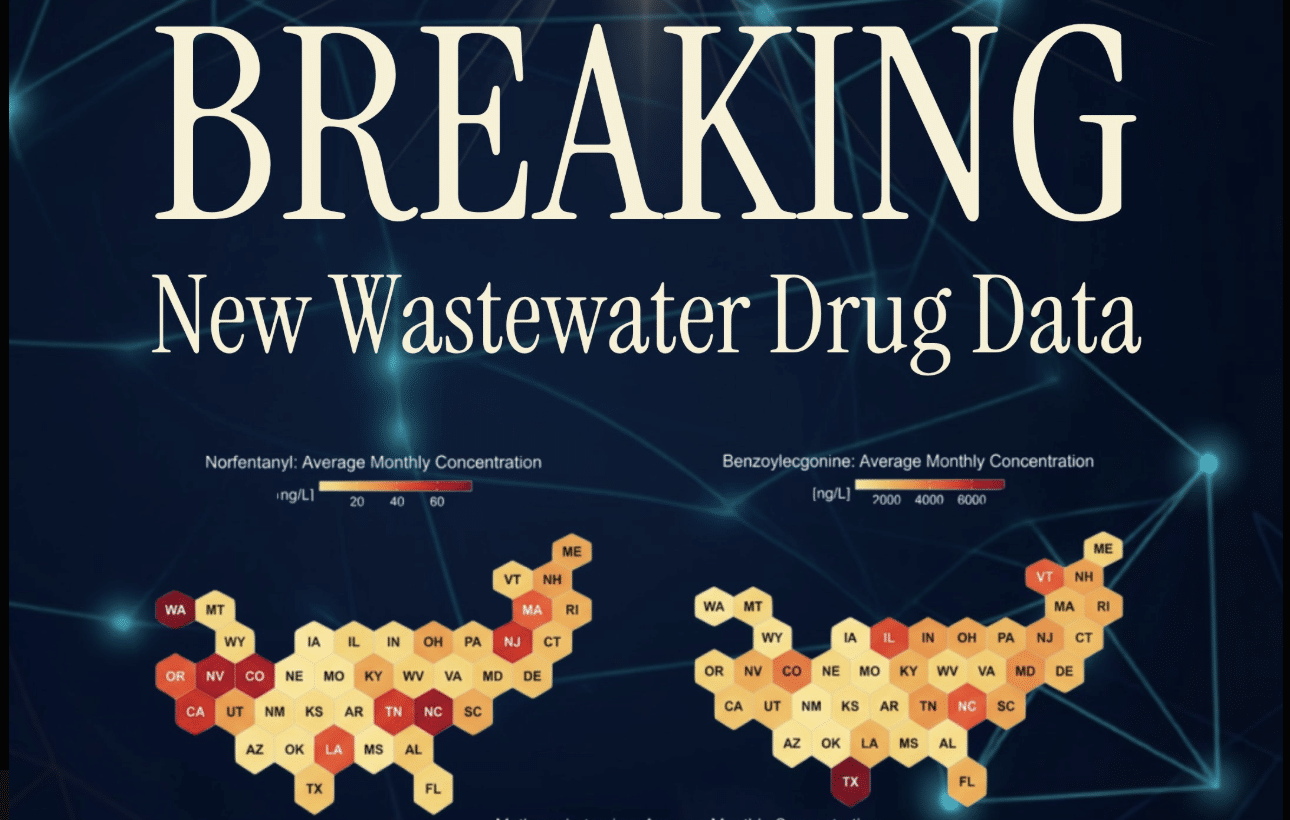
White House wastewater drug testing sounds like a clean answer to a messy drug policy problem. It is not. If you care about how officials measure drug use, how data gets used, and whether public health or surveillance is driving the agenda, this matters right now. The method can show trends in a building or a city block, but it cannot tell you who used what, when, or why. That difference is non-negotiable. And yet policymakers keep treating wastewater data like a shortcut to certainty. They should not. Used well, it is a blunt public health tool. Used badly, it becomes a political prop. What do you think happens when a tool built for pattern detection gets sold as proof?
What White House wastewater drug testing actually measures
Wastewater testing looks for drug metabolites in sewage. These are the chemical leftovers your body excretes after use. Scientists can estimate whether a substance such as cocaine, fentanyl, methamphetamine, or cannabis is present in a shared system by sampling water at treatment points.
That makes it useful for trend spotting. It can show whether drug signals rise or fall over time in a specific catchment area. But it does not identify people, and it does not give a clean count of users. Think of it like checking how many ovens are hot in a restaurant kitchen. You learn something real. You do not learn who is cooking, or what recipe they used.
Wastewater data is best at showing patterns, not personal behavior. That limit is the whole point.
Why the White House wastewater drug testing debate is political
The White House angle gives this issue a sharp edge. If federal leaders tout wastewater monitoring as a crime-fighting breakthrough, they risk turning a public health method into a surveillance story. That shift changes how the public sees the data, and it changes how agencies may use it.
Drug policy has a long habit of chasing optics. A sample from a government building can be framed as proof of lax security or of national drug prevalence, depending on who is speaking. But a building sample is not a national census. It is one data point, and a weird one at that.
Here is the thing. The strongest case for wastewater testing is not punishment. It is early warning. Cities have used similar systems to track opioid outbreaks, COVID, and other public health threats. The Centers for Disease Control and Prevention has pointed to wastewater monitoring as a useful way to follow community-level trends. The method has value when the goal is response, not blame.
Where the data helps, and where it breaks down
- Good use: spotting sudden changes in drug supply or use trends.
- Good use: comparing one site to itself over time.
- Weak use: estimating exact numbers of users.
- Weak use: making claims about specific people or groups without context.
- Weak use: drawing broad national conclusions from a single building sample.
Sampling also has technical limits. Rain can dilute wastewater. Building plumbing can distort results. A small sample can swing hard if a few people change behavior. And not every drug breaks down the same way in sewage, which means the chemistry matters as much as the politics.
That is why the method needs careful interpretation. Without that, you get a dashboard that looks precise and behaves like a blunt instrument. A little like using a kitchen thermometer to judge the whole meal. Useful, yes. Complete, no.
White House wastewater drug testing and privacy concerns
Privacy is where the debate gets sharp. Even though wastewater testing is anonymous at the sample level, people worry about mission creep. Once agencies normalize environmental surveillance, the next question arrives fast. Where else will they place the sensors? Schools? Prisons? Federal offices? Apartment buildings?
That concern is not paranoia. It is a reasonable reaction to a monitoring method that can expand quickly because it is cheap, discreet, and politically flexible (which is exactly why administrators like it). The line between public health monitoring and behavioral surveillance can blur if the public does not insist on clear rules.
What good policy should require
- Transparent methods so the public knows how samples are collected and analyzed.
- Clear limits on how results can be used.
- Context from public health experts, not just security officials.
- Independent oversight when testing expands beyond treatment or outbreak response.
What the White House example tells us about drug policy
The White House example is useful because it strips away the usual abstractions. If people inside a high-security federal complex are being discussed through wastewater data, then the limits of the method become obvious fast. You cannot solve a complex drug problem by pretending chemistry is a verdict.
Better drug policy starts with honest measurement. Wastewater can help public health teams see where to send outreach, naloxone, treatment slots, and harm reduction services. It should not become a substitute for those services. Data without action is just a fancier filing cabinet.
The deeper question is simple. Do you want a system that helps communities respond to drug harms, or one that turns every pipe into a suspicion machine?
What to watch next
Watch how agencies describe the purpose of wastewater testing. If they talk about health trends, prevention, and service planning, the method stays in its lane. If they start using it to hint at individual behavior or to score political points, the whole thing tilts toward abuse.
The future of wastewater testing will be shaped less by chemistry than by rules. And those rules are still being written.
This article is for educational purposes only and should not be considered medical advice. Always consult a qualified healthcare provider before making decisions about addiction treatment. If you or someone you know is in crisis, call SAMHSA's National Helpline: 1-800-662-4357 (free, confidential, 24/7).