White House Drug Budget Keeps Punishment on Payroll
White House Drug Budget Keeps Punishment on Payroll Your community keeps paying for a White House drug budget that props up cages instead of care. The…
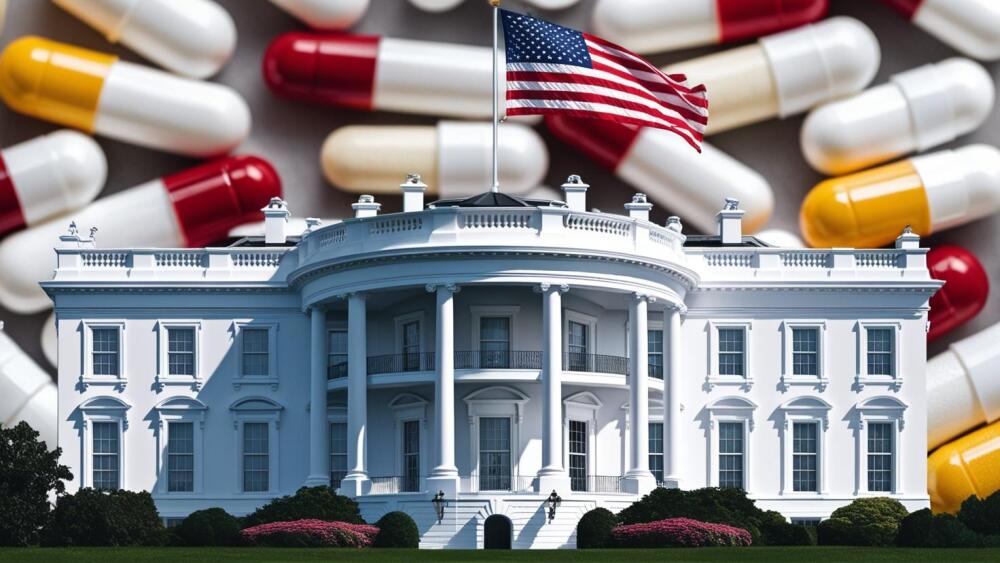
White House Drug Budget Keeps Punishment on Payroll
Your community keeps paying for a White House drug budget that props up cages instead of care. The administration talks about health, yet billions still flow to the Bureau of Prisons and ICE while harm reduction programs scrape for scraps. You feel the disconnect every time a loved one waits for treatment but the state finds cash for another jail bed. I’ve watched budgets morph for two decades, and this one clings to old reflexes that fail people who use drugs. Why does Washington still treat addiction as a security threat rather than a public health issue? Let’s unpack the numbers and lay out what you can do before the next appropriation locks in the same mistakes.
Budget Highlights That Deserve Scrutiny
- Funding for incarceration still dwarfs spending on treatment and housing.
- Harm reduction grants grow on paper but remain hard to access.
- ICE and DOJ see steady allocations while community services stay flat.
- State and local programs face uncertainty despite federal promises.
Where the White House Drug Budget Still Prioritizes Punishment
The proposal pours more than half of its drug-control dollars into law enforcement and prisons. That means the Bureau of Prisons, U.S. Marshals, and ICE keep steady payrolls while naloxone distribution and syringe service support fight for modest increases. It mirrors a stadium that keeps funding security guards but skimps on player health; the game suffers and the crowd leaves hurt.
“You cannot arrest your way out of overdose.” Advocates repeat it yearly, yet the ledger keeps favoring arrests.
One sentence matters: Communities need health dollars, not more concrete.
Numbers That Tell the Story
- Enforcement line items still exceed treatment spending by billions, showing the priority mismatch.
- Pretrial detention resources expand while housing and employment support stay thin.
- Harm reduction gets a bump, but most of it is competitive grant funding with slow rollout.
Why Health Spending Gets Squeezed
Agencies protect their base budgets like a goalie guards the net. Cuts are rare, so the easiest path is to add small grants on top of big enforcement accounts. That leaves states waiting months for disbursement while overdoses keep climbing. The White House touts “evidence-based” strategies, yet the evidence shows that criminalization increases harm. Honest question: if the approach worked, why are overdose deaths still near record highs?
How the White House Drug Budget Could Shift
Fixing this requires more than rhetoric. Here’s the thing: Congress responds to loud, specific requests, not general frustration.
- Reallocate 10 percent from enforcement to housing-first pilots. That single move would fund supportive units in counties with the highest overdose rates.
- Guarantee multi-year harm reduction grants. Stability lets programs hire staff and open new sites without fearing a cliff.
- Strip mandatory jail funding increases. Tie any facility money to decarceration benchmarks.
- Publish real-time grant dashboards. Transparency pressures agencies to move funds faster.
Advocacy Playbook for This Budget Cycle
You can still shape this package before it calcifies. Treat the process like a season-long campaign, not a single game.
- Call committee offices with a clear ask: shift dollars from federal prisons to community-based treatment and harm reduction.
- Submit written testimony citing local overdose data and the cost of jail expansion.
- Join coalitions that track appropriations; shared intel stops agencies from hiding delays.
- Press local officials to reject new jail construction that banks on federal grants.
State and Local Fallout
States rely on federal flows to sustain treatment networks. When Washington dribbles out funds late, clinics freeze hiring and peer workers leave for steadier jobs. The ripple is predictable: longer waitlists, more unsafe supply, more preventable deaths. It’s like a supply chain where the warehouse stays stocked with handcuffs while the pharmacy shelves sit bare.
Accountability Steps You Can Take Now
Accountability is more than tweeting outrage. It is filing public records requests on grant disbursement, asking your city council to publish overdose response metrics, and pushing reporters to compare incarceration and treatment line items.
Questions to press
- How much of the White House drug budget in your state goes to police overtime versus housing and care?
- Which counties plan to expand jail space using these funds?
- What share of harm reduction dollars reaches rural areas?
What Gets Lost if Nothing Changes
If the budget stays the same, overdose prevention stalls, racial disparities deepen, and families lose trust in public institutions. The country keeps paying for the policy equivalent of patching potholes while the bridge cracks.
After the Vote
Stay on lawmakers after appropriations pass. Track whether agencies actually release the funds promised on paper. Demand mid-year updates. And remind them that every dollar toward incarceration is a dollar pulled away from keeping people alive.
Budgets signal values—so what values do we want next year?
This article is for educational purposes only and should not be considered medical advice. Always consult a qualified healthcare provider before making decisions about addiction treatment. If you or someone you know is in crisis, call SAMHSA's National Helpline: 1-800-662-4357 (free, confidential, 24/7).