Westmont Narcan Training: Quick Guide for Residents
Westmont Narcan Training: Quick Guide for Residents Opioid overdoses still hit DuPage County, and Westmont Narcan training is one of the few tools that keeps…
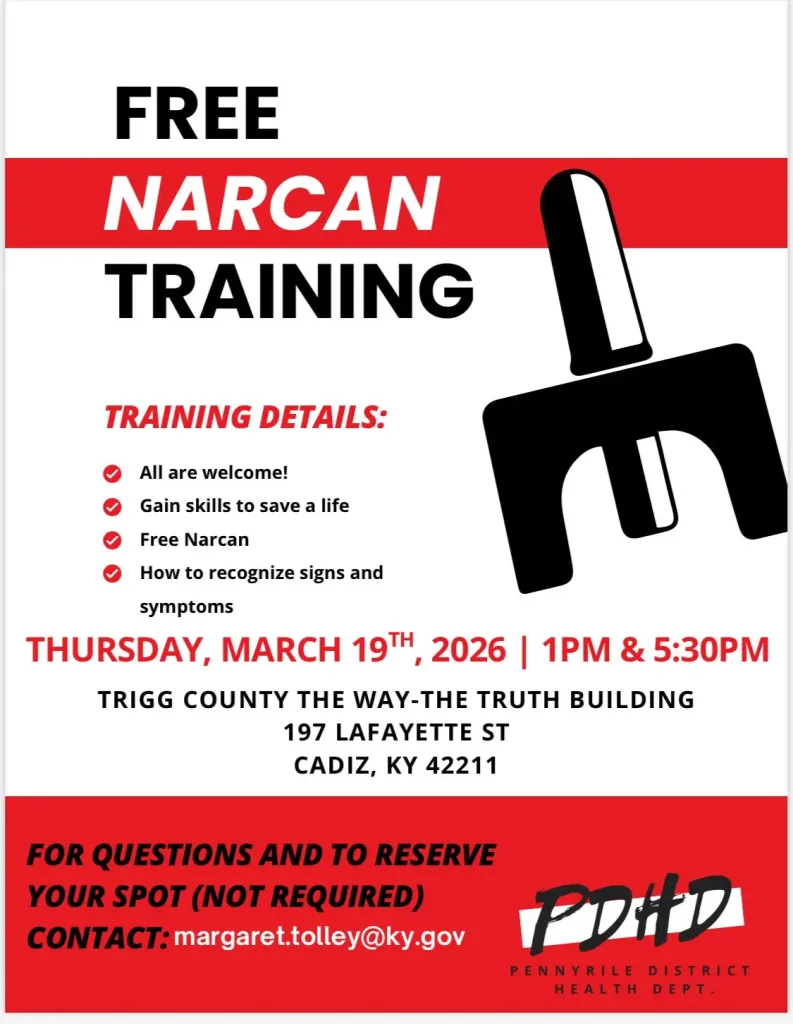
Westmont Narcan Training: Quick Guide for Residents
Opioid overdoses still hit DuPage County, and Westmont Narcan training is one of the few tools that keeps those losses from climbing. The local police department already participates in the DuPage Narcan Program, meaning officers carry naloxone and drill on overdose response. But the gap between a 911 call and an officer arriving is the window that decides whether a neighbor wakes up. This guide walks you through why the program matters, what the department practices, and how you can prepare at home so you are not staring at a crisis with empty hands. Think of it like a pit crew in racing: every second saved keeps the engine running.
What to Watch Right Now
- Officers in Westmont are trained on opioid overdose response and carry Narcan supplied through the county program.
- DuPage Narcan Program funding covers kits and refresher training, so readiness stays current.
- You can mirror their protocol: spot the signs, call 911, deliver naloxone, and stay until help arrives.
- High-visibility kit bags make it easier to grab what you need under stress.
Why Westmont Narcan Training Matters Now
Drug trends shift fast, and synthetic opioids raise the stakes. The county program gives officers a baseline, but community readiness multiplies that coverage. Why wait for a crisis to learn how to use it? Local data shows response time improves survival odds, and naloxone is designed for lay use, not just clinicians.
Narcan buys time. Training turns those seconds into a saved life.
One kit in the right hands keeps a neighbor breathing.
What Officers Already Do (and You Can Too)
Look at the police playbook for clues. Officers practice identifying slowed breathing, pinpoint pupils, and unresponsiveness. They call dispatch, administer naloxone, and begin rescue breathing if needed. You can follow the same ladder at home: know the signs, call first, deliver the spray, and monitor until responders take over. Keep a kit in a visible bag so you do not rummage in a drawer while panic rises.
Like a well-coached basketball team, the goal is to reduce hesitation. Set a reminder to review the steps monthly, and check kit expiration dates when you swap out smoke detector batteries.
How to Get Ready for Westmont Narcan Training
- Pick up a naloxone kit from a pharmacy or local harm reduction group; ask for a demo in the store.
- Watch a short training video from a trusted source, then practice the motions with an empty trainer.
- Store the kit in a bright, labeled pouch that anyone in your home can find quickly.
- Share the protocol with family or roommates so no one freezes during an emergency.
- Add the DuPage County health department hotline to your phone for follow-up support.
Common Mistakes to Avoid with Westmont Narcan Training
People sometimes skip calling 911 after giving naloxone, assuming the spray solves everything. It does not; effects can fade. Others hesitate to give a second dose when breathing stays shallow. Follow the instructions—give another dose if needed and keep the person on their side.
Do not forget yourself in the rush. Wear gloves if available, clear the area of any sharps, and avoid mouth-to-mouth without a barrier. Safety keeps you in the game.
How to Talk About It Without Stigma
Conversations about overdose can feel heavy, but silence helps no one. Frame naloxone as a smoke alarm: you hope never to use it, yet you would never remove it from your ceiling. Use clear language, skip moral judgment, and point to the police department’s own preparedness as proof this is standard safety gear.
Building a Support Network
Reach out to local recovery groups, the county health department, or school resource officers who may have info on upcoming sessions. Ask your workplace to host a short briefing. Public settings that already run fire drills can fit overdose response into the same safety culture.
Next Moves for Westmont Residents
Check your kit, review the steps, and tell one other person how to use Narcan this week. Community readiness pairs with the police program to close the gap between crisis and care. The faster we make overdose response routine, the fewer families face that late-night knock on the door.
This article is for educational purposes only and should not be considered medical advice. Always consult a qualified healthcare provider before making decisions about addiction treatment. If you or someone you know is in crisis, call SAMHSA's National Helpline: 1-800-662-4357 (free, confidential, 24/7).