Washington Opioid Trial Targets Albertsons
Washington Opioid Trial Targets Albertsons Washington’s opioid crisis has already cost families time, money, and lives. Now a state trial is asking a sharper…
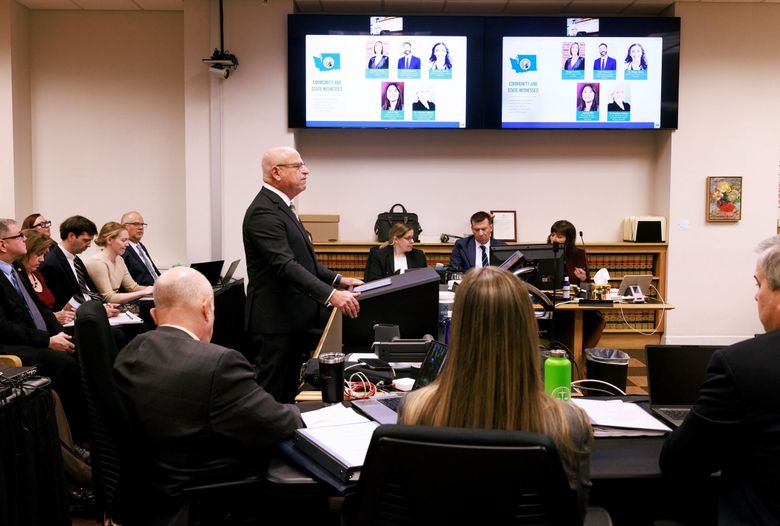
Washington Opioid Trial Targets Albertsons
Washington’s opioid crisis has already cost families time, money, and lives. Now a state trial is asking a sharper question tied to opioid crisis trial evidence: did Albertsons and related pharmacy operations do enough to stop suspicious prescription painkiller sales? That matters because retail pharmacies sit at a choke point in the drug supply chain. They see the volume, the patterns, and the red flags before many others do. If a chain misses those signals, the damage can spread fast. If it catches them early, some harm can be stopped. That is the issue now in court, and it reaches far beyond one company.
The case also matters because states have been testing whether pharmacy chains, distributors, and manufacturers shared responsibility for the flood of opioids that hit communities across the country. Can a store that fills prescriptions every day claim it had no real power to intervene? That is the fight.
What the opioid crisis trial is asking
- Did Albertsons ignore warning signs? Prosecutors are focused on whether pharmacy staff and corporate systems spotted suspicious opioid orders and prescribing patterns.
- Was there enough oversight? The case examines whether the company had controls in place to slow or block dangerous dispensing.
- Who bears responsibility? Washington wants to show that retail pharmacy decisions helped shape local harm, not just abstract market trends.
- Why now? State and local governments have spent years chasing accountability from the drug supply chain, and this trial pushes that effort into the pharmacy aisle.
Why pharmacies matter in the opioid crisis trial
Pharmacies are not passive boxes on a street corner. They are the last checkpoint before pills reach a patient. That is a heavy role, and it comes with a duty to question orders that look off.
“The pharmacy counter is where theory becomes reality. If the system fails there, the risk moves straight into a town, a family, a school, or a clinic.”
Look, this is not about blaming every prescription. Many patients need pain treatment, and many prescriptions are legitimate. But a chain that fills huge volumes in a pattern that looks abnormal may have a problem on its hands. Think of it like a kitchen sending out meals. If one burner keeps running too hot, the chef cannot pretend the stove is fine because most plates still look okay.
What the state will likely try to prove
Washington will likely push on records, alerts, staffing, and internal warnings. The state’s argument needs to show more than a paperwork gap. It has to show that the company had enough information to act and did not act in time.
Common pressure points in cases like this
- Suspicious volume at specific stores or pharmacies.
- Prescriber patterns that stood out from normal medical practice.
- Corporate responses that may have been too slow or too narrow.
- Documentation showing what the company knew and when it knew it.
And the timing matters. If internal reviews or alerts came in and nothing changed, that can shape the legal picture fast. Courts care about action, not public statements.
What this means for patients and families
The trial is not just about one defendant. It is about the systems that let high-risk opioid access continue while overdose deaths climbed. Families in Washington have lived with the fallout for years, and many still deal with addiction, grief, or long-term health strain.
For readers, the practical takeaway is simple. Pharmacy oversight is not paperwork theater. It can affect whether a prescription gets filled, flagged, or stopped. That can mean the difference between treatment and harm.
Why the opioid crisis trial could shape future accountability
One trial can influence more than one case. If Washington proves its claims, other states and local governments may lean harder on pharmacy chains to justify their controls. If the defense wins, companies may point to that result when arguing they cannot police every prescription pattern at scale.
Either way, the legal stakes are broad. Retail pharmacy chains are under pressure to show that their systems do more than process orders. They need to show that they can spot danger in time to matter. That is the standard now, whether the industry likes it or not.
What to watch next in Washington
Watch for testimony on internal controls, store-level alerts, and corporate decision-making. Those details will tell you whether this case is about isolated mistakes or something deeper in the business model.
And here is the real question: if a pharmacy chain cannot or will not stop suspicious opioid flow, who should?
A final test for the system
This trial is about accountability, but it is also about design. The opioid crisis did not spread on its own. It moved through institutions, one prescription at a time. Washington is now asking whether Albertsons helped that happen. The answer may set a cleaner line for what pharmacies owe the public when the numbers stop looking normal.
This article is for educational purposes only and should not be considered medical advice. Always consult a qualified healthcare provider before making decisions about addiction treatment. If you or someone you know is in crisis, call SAMHSA's National Helpline: 1-800-662-4357 (free, confidential, 24/7).