Virtual Counseling for Sailors Expands Navy Mental Health Access
Virtual Counseling for Sailors Expands Navy Mental Health Access Getting mental health care at sea, on duty, or between deployments has never been simple.…
Virtual Counseling for Sailors Expands Navy Mental Health Access
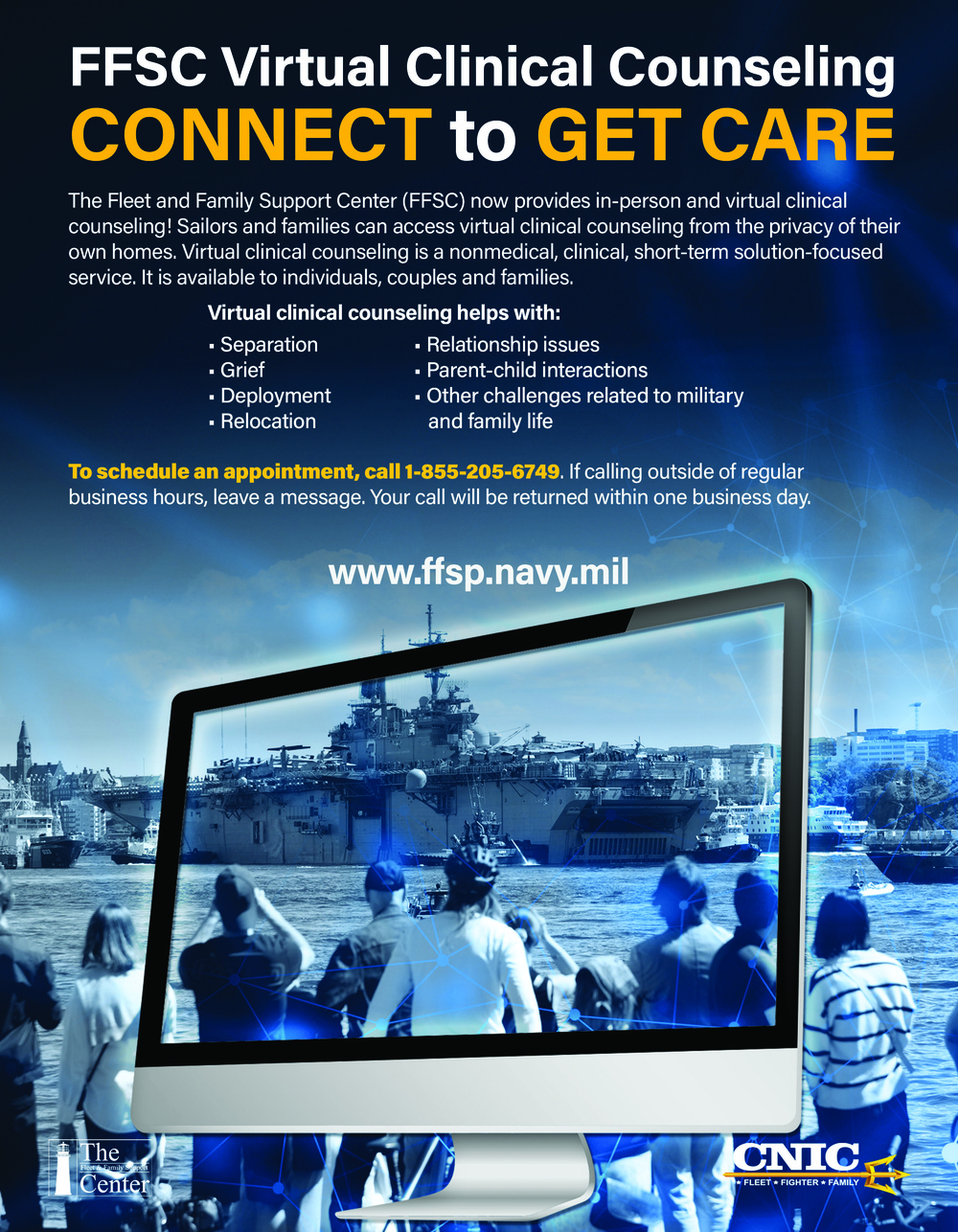
Getting mental health care at sea, on duty, or between deployments has never been simple. Virtual counseling for sailors matters because the old model, wait for an appointment, travel to a clinic, then hope the timing works, often breaks under Navy life. USNI News reported on the Navy’s push to give sailors more mental health options through virtual counseling, and the move fits a larger shift across military health care. Remote therapy cannot fix every staffing gap or crisis case. But it can reduce friction for sailors who need earlier help, private support, or continuity after a transfer. That is the practical win. The harder question is whether the Navy can make access feel normal, confidential, and easy enough that sailors use it before stress turns into a career-altering emergency.
What Stands Out
- Virtual counseling can shorten the distance between stress and support, especially for sailors away from major medical centers.
- Remote care works best for routine counseling, follow-up visits, and early intervention, not every emergency.
- Privacy, bandwidth, and command trust will decide whether sailors actually use these services.
- The Navy should treat virtual care as one door into mental health support, not as a replacement for in-person clinicians.
Why Virtual Counseling for Sailors Is Getting Attention
The Navy has a math problem. Demand for behavioral health support is high, clinicians are limited, and sailors move constantly. Ships, submarines, shore commands, schools, and temporary duty assignments all create gaps in care.
Virtual counseling gives the system more reach. A sailor who might wait weeks for a local appointment may be able to connect with a provider through a secure video visit. A service member who has already built trust with a counselor may have a better shot at continuity during a move.
Look, I have covered military technology long enough to be wary of easy fixes. Video therapy is not magic. It is more like adding another lane to a congested highway. Traffic still exists, but some people get where they need to go faster.
“Access is the point. If a sailor has to choose between missing care and logging into a secure session from a private space, the second option can change the trajectory.”
Where Virtual Counseling for Sailors Works Best
Remote counseling is strongest when the problem is time, distance, or continuity. It can help sailors who need scheduled therapy, medication follow-up coordination, stress management, sleep support, grief counseling, or help adjusting after deployment.
It also lowers the awkward barrier of walking into a clinic where everyone knows everyone. Is a video visit perfect privacy? No. But for some sailors, it feels less exposed than sitting in a waiting room near shipmates.
Good uses for virtual counseling
- Early stress support: A sailor can talk through anxiety, anger, relationship strain, or burnout before symptoms worsen.
- Follow-up care: A provider can check progress after an initial in-person visit.
- Deployment transition support: Counseling can continue after a sailor returns home or moves to a new duty station.
- Family-related strain: Remote sessions may help sailors manage parenting stress, separation, divorce, or financial pressure.
- Command referrals: A virtual option can make it easier to accept help after leadership raises a concern.
Speed matters.
In mental health care, a short delay can change whether someone seeks help at all. If the system says, “We can see you in three weeks,” a sailor under pressure may stop asking. If it offers a secure appointment sooner, that small opening can make a real difference.
What Virtual Counseling Cannot Replace
The Navy should be clear about the limits. Some sailors need in-person care, urgent intervention, medical evaluation, or a higher level of support. A remote session may not be enough for active suicidal thoughts, severe substance use, psychosis, complex trauma, or situations where safety is uncertain.
That does not make virtual counseling weak. It means triage matters. Good systems know when to keep care online and when to move fast toward in-person help.
- Virtual counseling should connect directly to emergency protocols.
- Providers need clear rules for duty location, crisis response, and local resources.
- Sailors need plain instructions on what happens if they disclose serious risk.
- Commands need training so remote care is not treated as lesser care.
Here’s the thing. If a sailor thinks a virtual visit will automatically trigger career damage, they may stay silent. The Navy has spent years telling service members to seek help early. The technology has to match that message with trust.
The Privacy Problem Nobody Should Minimize
Virtual counseling sounds easy until you picture life aboard a ship or inside crowded housing. Where does a sailor take a private video call? A berthing area will not work. A passageway will not work. Even a parked car near base may feel exposed.
Privacy is the hinge. Without it, access becomes theoretical.
The Navy can improve this with practical planning, not slogans. Commands need designated private rooms for telehealth. Appointment windows should account for watch schedules. Sailors should know whether headphones are required, what platform is approved, and how records are handled.
Think of it like building a kitchen. Buying the oven is not enough. You still need counters, wiring, ventilation, and someone who knows how to cook under pressure. The video platform is only one piece of the setup.
How Sailors Can Use Virtual Counseling Well
If you are a sailor considering remote support, treat the first appointment like a real medical visit. Because it is one. A little preparation can make the session more useful.
- Pick the right location: Use a private room, a quiet office, or another approved space where you can speak freely.
- Test the tech early: Check your connection, camera, audio, and login before the appointment.
- Write down symptoms: Track sleep, mood, panic, anger, drinking, concentration, and any thoughts of self-harm.
- Ask about confidentiality: Get a clear answer on what stays private and what must be reported for safety.
- Request follow-up: One session may help, but steady care often works better.
And if the first provider is not a fit, say so. Therapy depends on trust. A poor match should not end the search.
What Commands Should Get Right
Command culture will shape the outcome more than any software contract. Sailors watch what leaders reward and punish. If leaders frame counseling as weakness, usage will drop. If they treat it as health maintenance, more people will step forward.
Good commands can make the process boring in the best way. Schedule the appointment. Protect the time. Do not gossip. Do not make sailors explain their session in public. Simple, grown-up leadership.
Virtual care will fail if it becomes another box-checking program. It has to feel safe enough for a junior sailor to use before things get loud.
Leaders should also remember that mental health support is linked to readiness. A sailor who sleeps, thinks clearly, manages stress, and asks for help early is better for the mission than one who hides symptoms until the command has a crisis.
Virtual Counseling for Sailors and the Bigger Care Gap
The military is not alone in moving toward telebehavioral health. Civilian health systems expanded video therapy after COVID-19, and many patients kept using it because it saved time and travel. The Navy has a tougher environment, though. Connectivity, operational security, deployments, and rank dynamics all complicate care.
That is why the Navy should measure more than appointment counts. The useful questions are sharper. Are sailors getting care sooner? Are no-show rates falling? Are providers able to continue treatment after transfers? Are crisis referrals happening earlier? Are junior enlisted sailors using the option, or only those who already feel secure?
Numbers without context can flatter a program. Outcomes tell the truth.
The Next Test Is Trust
Virtual counseling for sailors is a smart expansion of care, but it is not a cure for the Navy’s mental health strain. The service still needs enough clinicians, clear crisis pathways, private spaces, and leaders who do not punish people for getting help.
The next step is practical. If you serve, ask your medical team or command support staff what virtual counseling options exist, how confidentiality works, and where you can take a private appointment. If the Navy wants sailors to use this tool early, it has to make the path obvious before the breaking point.
This article is for educational purposes only and should not be considered medical advice. Always consult a qualified healthcare provider before making decisions about addiction treatment. If you or someone you know is in crisis, call SAMHSA's National Helpline: 1-800-662-4357 (free, confidential, 24/7).