Vape Taxes and Smoking Rates: What the Study Found
Vape Taxes and Smoking Rates: What the Study Found If you care about tobacco policy, you need to look past the slogan and check the trade-offs. The debate over…
Vape Taxes and Smoking Rates: What the Study Found
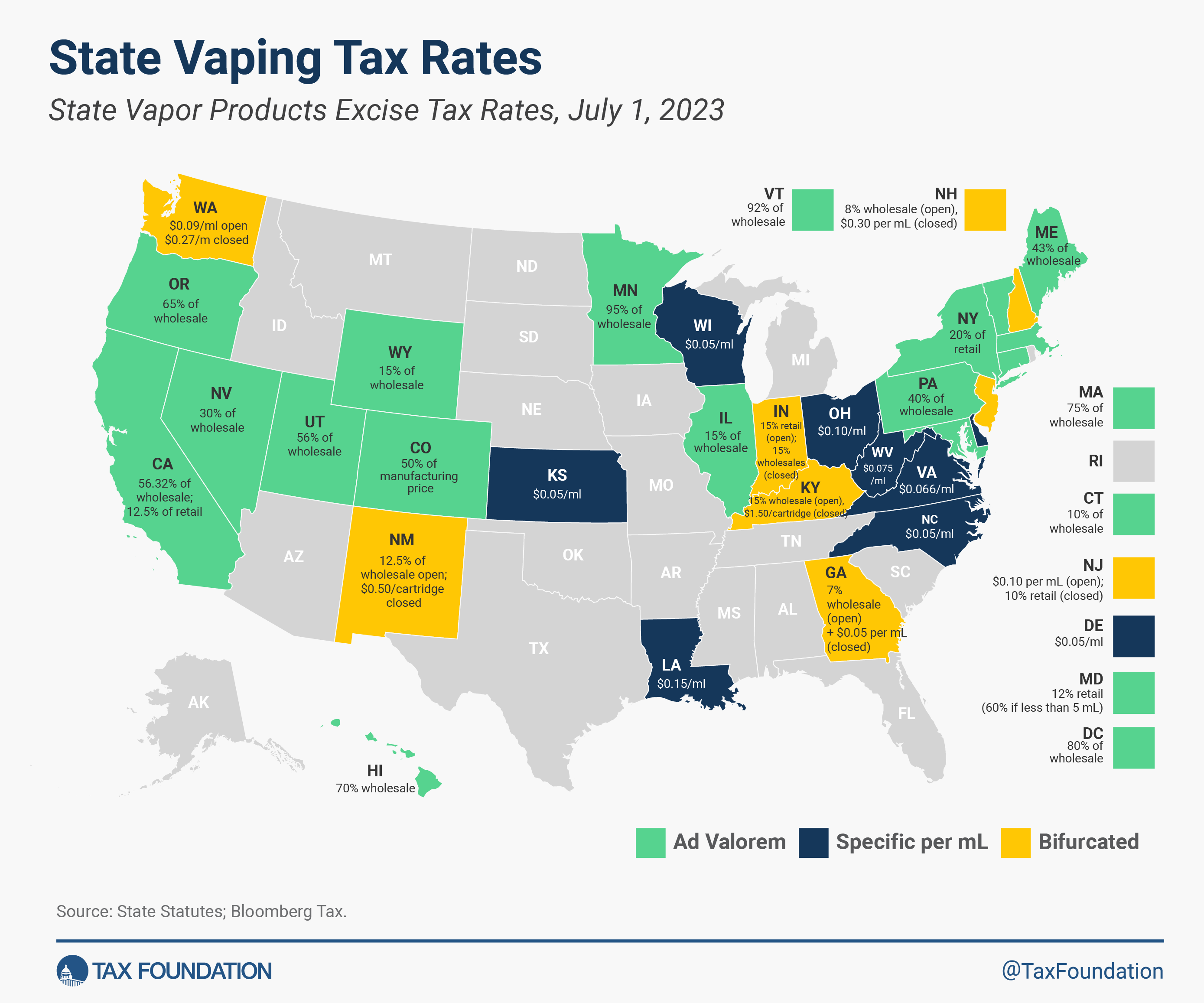
If you care about tobacco policy, you need to look past the slogan and check the trade-offs. The debate over vape taxes and smoking rates matters because lawmakers often raise e-cigarette taxes to curb youth use, but those same taxes can change what adults buy next. That is the real policy test. If vaping becomes pricier, do people quit nicotine, or do some go back to cigarettes, which carry far higher health risks? A recent report covered by Filter points to a hard truth. Higher taxes on vaping products may reduce vaping, yet they can also increase cigarette smoking in some groups. That puts harm reduction advocates, public health officials, and families in a bind. And it raises a blunt question. Are we taxing the lower-risk option so heavily that we steer people toward the deadlier one?
What stands out
- Vape taxes and smoking rates are linked in ways many simple policy pitches ignore.
- Higher e-cigarette taxes can push some adults to buy more cigarettes instead of fewer nicotine products overall.
- The study discussed by Filter adds to evidence that cigarettes and vapes often act as substitutes.
- Youth protection still matters, but tax policy works best when it reflects relative risk.
Why the vape taxes and smoking rates link matters
Public health policy should reduce disease, not just shift purchases from one shelf to another. Cigarettes remain the most dangerous mainstream nicotine product because combustion drives the biggest risks, including cancer, heart disease, and lung damage. E-cigarettes are not harmless, but most independent reviews have placed them on the lower end of the risk spectrum compared with smoking.
That is the center of this debate. If a tax makes a lower-risk product less affordable, some people will not quit. They will substitute. Think of it like closing one lane on a busy highway. Traffic does not vanish. It spills into another lane, often the one you least want crowded.
Good tobacco policy should ask one basic question: what behavior changes after the tax hits the cash register?
What the study suggests about vape taxes and smoking rates
Filter’s report highlights research showing that when states raise taxes on e-cigarettes, cigarette sales can rise. That matters because tax policy is often sold as a clean win. It rarely is. Consumer behavior around nicotine is messy, price-sensitive, and deeply shaped by addiction.
The broad idea is straightforward. For some adults, vaping and smoking are economic substitutes. If vaping costs more, cigarettes become relatively more attractive, especially for people with lower incomes or those already moving back and forth between the two products. That does not mean every person will switch. But even a modest shift can produce a serious public health cost because smoking is so much more dangerous.
Small tax changes can produce outsized consequences.
And yes, this cuts against the tidy politics of “tax it more and use less.” Honest policy analysis has to sit with that discomfort.
How substitution works in the real world
Price signals matter a lot in nicotine markets. Adults who vape to stay off cigarettes often make practical decisions, not ideological ones. If refill pods, e-liquid, or disposable devices jump in price while cigarettes remain easy to find, some people do the math and drift back.
Here is where the issue gets more concrete:
- A smoker switches to vaping to reduce harm or quit cigarettes.
- The state adds or raises an e-cigarette tax.
- The monthly cost gap between vaping and smoking shrinks.
- The smoker, or former smoker, reconsiders the cheaper or more familiar option.
- Cigarette purchases rise, even if vape purchases fall.
That is not theory pulled from thin air. It fits prior economic research on cross-price effects in tobacco markets, where the price of one product changes demand for another. Look, this is why tax policy cannot be judged by one metric alone, such as lower vape sales.
Youth use is real, but policy still needs precision
Any serious discussion has to acknowledge youth vaping. That concern is valid, and states have political reasons to act fast when teen use rises. But a blunt tax can hit adults trying to avoid smoking just as hard as it hits younger users. Sometimes harder.
A more precise approach would combine several tools instead of leaning on taxes alone:
- Strict age verification for retail and online sales
- Strong enforcement against illicit sellers
- Clear product standards
- Targeted restrictions on youth-focused marketing
- Tax structures that reflect the lower risk of non-combustible products compared with cigarettes
That last point is non-negotiable if harm reduction is the goal. Taxing all nicotine products as if they carry the same risk makes little sense.
What public health experts and policymakers should ask next
One study should not settle the whole argument. But it should sharpen it. Policymakers need to ask whether their tax design reduces total harm or just changes which nicotine product people buy. Those are different outcomes.
Better questions include:
- Do higher vape taxes lower smoking, or raise it among some adults?
- How do tax effects vary by age, income, and smoking history?
- Are former smokers relapsing to cigarettes after vape price increases?
- What happens in states with high cigarette taxes versus lower ones?
Honestly, the political temptation is to treat all nicotine products as one bucket. But that shortcut can backfire. In harm reduction, the gradient of risk is the whole point.
What this means for you and your family
If you are a smoker trying to quit, or you support someone who is, price changes are not abstract. They shape daily choices. A product that becomes too expensive often becomes unsustainable, even if it helped reduce cigarette use.
If your household is dealing with nicotine dependence, keep the focus on the biggest risk first. For adults, that is usually smoking combustible cigarettes. If a tax change makes switching harder, it may help to compare total monthly costs, look for smoking cessation support, and pay attention to whether policy changes are affecting relapse risk (many families miss this until cigarette packs start showing up again).
Where this debate goes from here
The smartest tobacco policy is not the loudest. It is the one that cuts disease and death with the fewest unintended effects. The study covered by Filter adds weight to a view many harm reduction researchers have argued for years: if lawmakers ignore the link between vape taxes and smoking rates, they may score a symbolic win while making the real problem worse.
So here is the next step. Watch how states structure taxes, not just whether they raise them. If the lower-risk product loses its price edge, what do you think many addicted consumers will do?
This article is for educational purposes only and should not be considered medical advice. Always consult a qualified healthcare provider before making decisions about addiction treatment. If you or someone you know is in crisis, call SAMHSA's National Helpline: 1-800-662-4357 (free, confidential, 24/7).