UK Stimulant Pipe Program Tracks Risks of Homemade Pipes
UK Stimulant Pipe Program Tracks Risks of Homemade Pipes People who smoke crack or meth often make do with what they have. A can, a bottle, foil, or a broken…
UK Stimulant Pipe Program Tracks Risks of Homemade Pipes
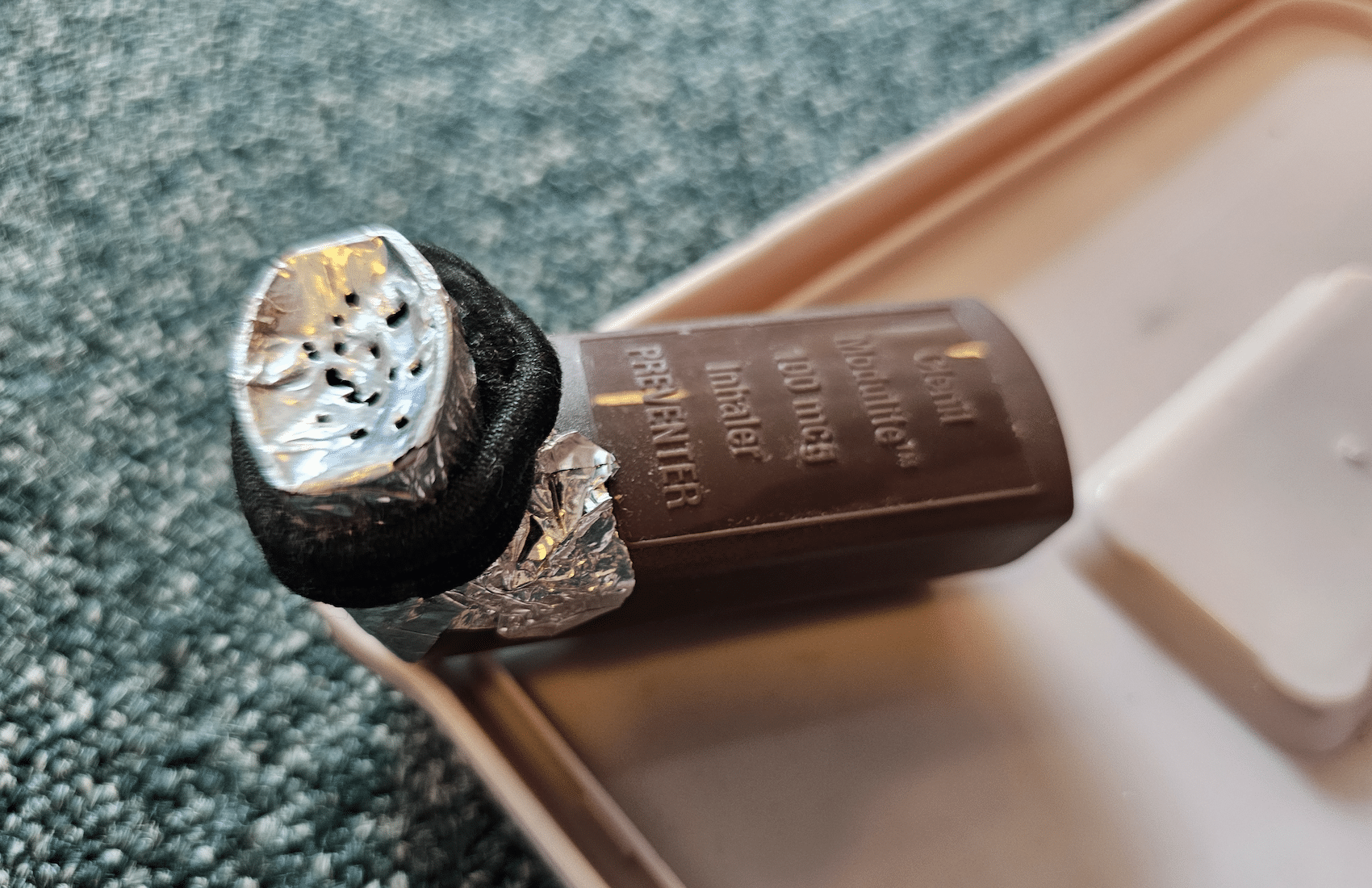
People who smoke crack or meth often make do with what they have. A can, a bottle, foil, or a broken tube can turn into a pipe in minutes. That is where the harm starts. The UK stimulant pipe program is paying attention to those improvised setups because the risks are not abstract. Cuts, burns, inhaling toxins, and broken glass are daily realities, and they can push people away from health services.
That matters now because harm reduction only works if it fits how people actually use drugs. If your kit is hard to get, easy to lose, or unsafe to handle, people will improvise. And improvisation has a cost. The question is not whether people will smoke stimulants. They will. The real question is whether services meet them with safer options, practical advice, and a way to stay connected.
What the UK stimulant pipe program is showing
- Homemade pipes can add physical risk, including burns, cuts, and exposure to melted plastic or metal.
- Safer pipe distribution can reduce avoidable injury and help people use equipment that is easier to clean and handle.
- Low-barrier harm reduction works better when services accept stimulant smoking as a real behavior, not a side issue.
- People often want practical supplies first, then advice, then broader support. Start there.
Why homemade pipes are such a problem
Homemade pipes are not just a rough substitute. They can change the whole risk profile of use. A plastic bottle can soften or melt. A metal tube can heat unevenly. A can may carry paint or residue you do not want in your lungs. Even a small crack can turn into a sharp edge.
That is before you get to the wider damage. People using improvised pipes often take harsher hits, which can mean more throat irritation and more coughing. Some will share equipment too, because scarcity makes sharing feel normal. How do you lower risk if the thing people use every day is built from whatever is lying around?
Harm reduction starts with reality. If people smoke stimulants, then safer smoking equipment is not a luxury. It is a practical intervention.
Why pipe provision belongs in stimulant harm reduction
For years, many harm reduction services focused more heavily on injecting equipment. That work remains vital. But stimulant smoking has its own set of harms, and services that ignore it leave a gap. The UK pipe program is useful because it treats smoking supplies as part of the same care continuum, not an afterthought.
Think of it like a kitchen renovation. If the stove is unsafe, replacing the cabinets will not solve the problem. You need to fix the part people actually use. Same here. If smoking is the route people are taking, safer pipes, mouthpieces, and cleanup advice should be on the table.
What safer pipe programs can do
- Reduce burns and cuts from makeshift materials.
- Cut down on sharing by making equipment easier to access.
- Open a door to naloxone, wound care, and other support.
- Give staff a nonjudgmental reason to talk about current use patterns.
That last part matters a lot. People do not usually walk into a service eager to give a full account of their drug use. They come in because something hurts, they need gear, or they trust one staff member. Safer supply can be the first steady contact in a much longer chain of care.
What this means for services and outreach teams
The practical lesson is simple. If a program wants to reduce harm, it should study what people are actually using, not what the service would prefer they use. The UK stimulant pipe program does that by tracking homemade options and the risks tied to them. That gives staff evidence they can use in outreach, in training, and in local planning.
Services should also make their advice specific. Tell people how to reduce burns, how to avoid sharing, and how to inspect equipment before use. Keep the language plain. People under pressure do not need a lecture. They need gear, clear instructions, and respect (which is still in short supply in many settings).
Practical steps that fit real use
- Stock safer smoking supplies where stimulant use is common.
- Train staff to discuss smoking without stigma.
- Ask what homemade setups people are using now.
- Build referral paths to wound care, housing help, and drug treatment.
And yes, this can feel politically awkward. Some people still think handing out pipes encourages use. But the evidence from harm reduction over decades points the other way. Meeting risk head-on usually does more than pretending the risk will vanish on its own. Why keep people stuck with broken glass and hot metal if a safer option is available?
What the broader debate gets wrong about stimulants
Stimulant policy often swings between alarm and neglect. One camp talks only about crisis. Another acts as if smoking crack or meth is a niche issue. Neither approach helps much. The people using these drugs need interventions that fit the route, the setting, and the pace of their lives.
That is why this UK stimulant pipe program is worth watching. It documents a specific harm, tracks a specific response, and keeps the focus on what reduces injury now. Not later. Now.
A better test for harm reduction
The real test is not whether a service looks tough or sounds tough. It is whether people come back. If someone can get a safer pipe, avoid a nasty burn, and speak to a worker without shame, that is a small win with real weight. Small wins keep people connected.
Here is the next step: more services should map the homemade tools people are already using and build supply lists around that reality. The programs that do this well will set the standard. The ones that do not will keep cleaning up avoidable injuries, one at a time.
This article is for educational purposes only and should not be considered medical advice. Always consult a qualified healthcare provider before making decisions about addiction treatment. If you or someone you know is in crisis, call SAMHSA's National Helpline: 1-800-662-4357 (free, confidential, 24/7).