UK Migration From Smoking to Nicotine Pouches
UK Migration From Smoking to Nicotine Pouches UK migration from smoking to nicotine pouches is picking up because people want nicotine without smoke, smell, or…
UK Migration From Smoking to Nicotine Pouches
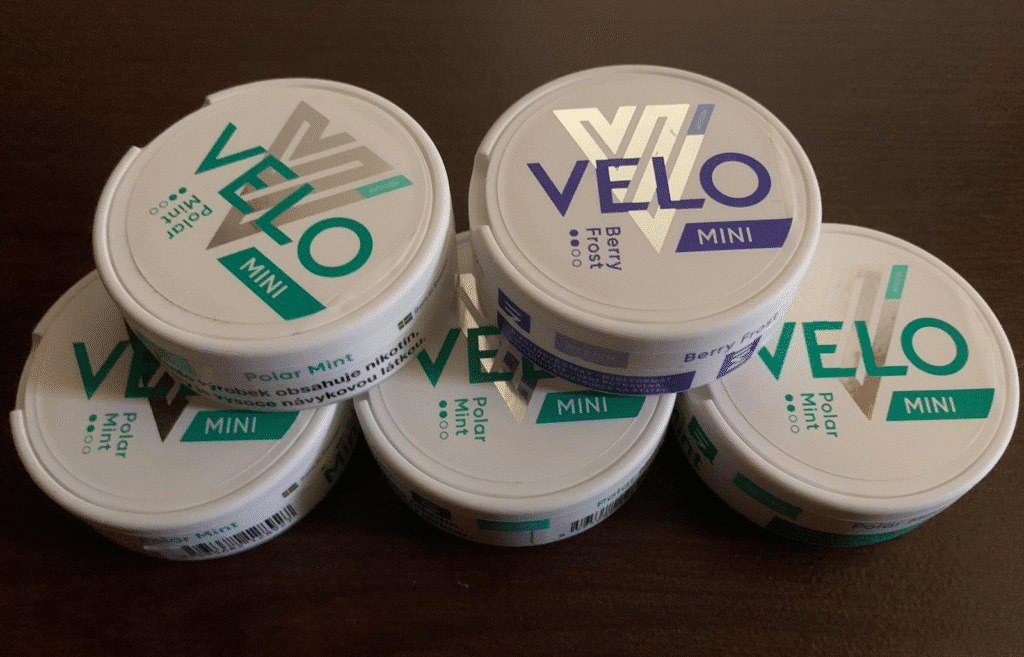
UK migration from smoking to nicotine pouches is picking up because people want nicotine without smoke, smell, or ash. That shift matters now because the market is moving faster than the rules around it, and smokers are being pulled toward products that look cleaner, simpler, and easier to use. Some people see that as a step away from cigarettes. Others worry it is just nicotine in a new wrapper. Both reactions have merit. The real question is more practical. If someone is trying to move away from smoking, do nicotine pouches help or just keep dependence alive in a different form?
Look at the numbers and you see why this is not a fringe habit anymore. Retailers, public health groups, and regulators are all watching the same trend: oral nicotine is getting more visible in the UK, while cigarette use keeps falling. That does not make pouches harmless. It does make them relevant. And if you work in health, policy, or family support, you need to understand what is actually changing on the ground.
What the UK migration from smoking to nicotine pouches looks like
- Smokers are choosing pouches for convenience. No smoke, no vapor cloud, and no need to step outside.
- Retail availability is expanding. Pouches now sit alongside vapes, gum, and lozenges in more shops and online stores.
- Adult users often see them as a bridge. Some people switch to pouches before quitting nicotine entirely.
- Regulators are playing catch-up. Product rules, age checks, and marketing limits are still catching up with demand.
Nicotine pouches are not a magic exit from dependence. But for some smokers, they are less harmful than lighting up another cigarette.
Why are smokers switching to nicotine pouches?
The reasons are blunt. People want less mess, less smell, and less social friction. A pouch can be used quietly at work, on a train platform, or after a meal without the same attention that smoking or vaping can draw.
There is also a stigma factor. Cigarettes carry a heavy social cost now, and many smokers feel it every day. A pouch does not stain fingers or clothes, and it does not leave smoke in a room. That makes it feel more acceptable, almost like swapping a bulky old appliance for a smaller one (same function, less clutter).
But here is the thing. Convenience can cut both ways. If a product is easy to use anywhere, people may use it more often. That matters if your goal is to reduce nicotine use, not just change its delivery method.
How do nicotine pouches compare with cigarettes?
Nicotine pouches do not burn tobacco. That is the big difference. No combustion means no smoke, and smoke is where much of the harm from cigarettes comes from. Public Health England has long argued that products without combustion can be far less harmful than smoking, though that does not mean they are safe.
Most pouches still deliver nicotine, which is addictive. They can raise heart rate and keep dependence going. They may also irritate the mouth or gums for some users. So the trade-off is real. Less toxic exposure than cigarettes, but not a clean slate.
What this means in plain terms
- If you smoke, switching away from combustion is a meaningful step.
- If you keep using nicotine pouches long term, you may avoid smoke but remain dependent.
- If you are under 18, the product is not for you, full stop.
That is why the debate should stay honest. Calling pouches harmless helps no one. Calling them useless misses the people who might use them to move off cigarettes.
What should families and clinicians watch for?
If someone in your family has switched to pouches, ask what problem they are trying to solve. Is it quitting smoking? Is it managing cravings at work? Or is it just a new habit that has replaced the old one? The answer changes what support makes sense.
Clinicians should treat pouch use as part of a broader nicotine pattern, not as a curiosity. Ask about dose, frequency, and whether the person is also smoking or vaping. Dual use can hide the fact that the person has not really moved away from cigarettes at all.
For parents, the signal is different. Pouches often look like a low-profile product, which can make them easier to hide. That is why age checks, plain language, and clear boundaries matter. Kids do not need a softer-looking nicotine habit in their toolkit.
Where policy is heading next
The UK is already under pressure to tighten rules around oral nicotine products, sales channels, and marketing claims. That debate is not academic. If pouches stay easy to buy and heavily promoted, use may rise faster than health education can keep up. If restrictions get too broad, adult smokers may lose one more option that could help them move away from cigarettes.
Policy here is a balancing act, and it should look more like kitchen safety than a grand redesign. You do not remove every tool from the room because one can be misused. You set standards, limit access where needed, and tell people what the product actually does.
What should you do if you are considering pouches?
If you smoke and want to cut down, think of nicotine pouches as a possible step, not a finish line. Compare them with nicotine replacement therapy, vaping, and support from a stop smoking service. Which option fits your habits, your health history, and your goal?
Ask three questions before you buy:
- Do I want to quit nicotine, or only stop smoking?
- Will this help me avoid cigarettes, or will it keep me using both?
- Do I understand the strength, frequency, and risks of the product?
If you answer those honestly, you are already ahead of most marketing claims. The next move for the UK will shape whether nicotine pouches become a useful harm reduction tool or just another consumer product with a cleaner face. Which side wins will depend on regulation, education, and how seriously people take the difference between less harm and no harm at all.
This article is for educational purposes only and should not be considered medical advice. Always consult a qualified healthcare provider before making decisions about addiction treatment. If you or someone you know is in crisis, call SAMHSA's National Helpline: 1-800-662-4357 (free, confidential, 24/7).