Tulsa Recovery Summit Takes Aim at Addiction Stigma
Tulsa Recovery Summit Takes Aim at Addiction Stigma If you or someone close to you has struggled with substance use, you already know one hard truth. Shame…
Tulsa Recovery Summit Takes Aim at Addiction Stigma
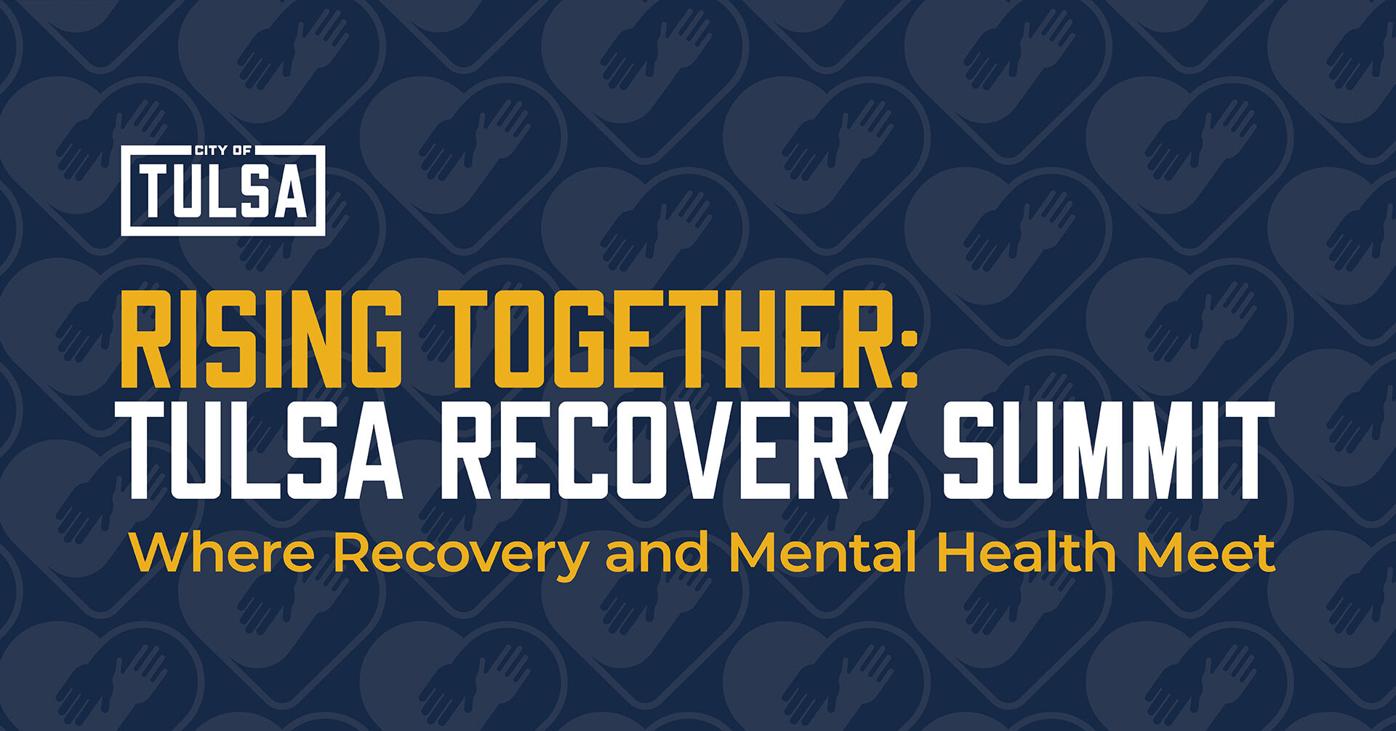
If you or someone close to you has struggled with substance use, you already know one hard truth. Shame often blocks help before cost, distance, or waitlists ever do. That is why the new Tulsa Recovery Summit matters right now. The City of Tulsa has launched its first summit focused on recovery, with a stated goal of pushing back on addiction stigma and connecting people to support. That may sound simple. It is not. Public events like this can shape how families talk about addiction, how local leaders fund treatment, and whether people feel safe enough to ask for care. The bigger question is whether a one-day event can move the needle. It can, if it leads to real follow-through, better access, and a public message that treats recovery as a health issue instead of a moral failure.
What stands out
- The Tulsa Recovery Summit puts stigma at the center of the addiction conversation.
- The city is signaling that recovery deserves public attention, not quiet side-room treatment.
- For families, the biggest value may be connection to local resources and people with lived experience.
- The summit will matter most if Tulsa turns public awareness into treatment access and long-term support.
Why the Tulsa Recovery Summit matters
Stigma is not some vague cultural problem. It changes behavior. People hide substance use, delay treatment, and avoid talking to employers, doctors, or even family members because they expect judgment. And that delay can be costly.
According to the U.S. Substance Abuse and Mental Health Services Administration, millions of Americans who need substance use treatment do not receive it each year. Reasons vary, but fear, denial, and social pressure are always in the mix. A local event that says recovery belongs in public can help crack that wall.
Recovery does better in the open. Silence protects stigma, and stigma keeps people sick.
Look, one summit will not fix a treatment system. But it can change the temperature of the conversation in Tulsa. That counts.
How addiction stigma hurts recovery in Tulsa
Addiction stigma in Tulsa, like anywhere else, tends to hit people from several angles at once. A person may feel judged by family, written off at work, and treated with suspicion in healthcare settings. Stack those pressures together and you get isolation.
That isolation is dangerous. Recovery usually depends on trust, routine, and support. Think of it like rebuilding a house after a storm. You cannot do much if the foundation keeps getting kicked out from under you.
What stigma looks like in real life
- Someone avoids treatment because they do not want neighbors to know.
- A parent fears losing credibility if they admit a relapse happened in the family.
- A worker stays silent about substance use because they expect punishment, not help.
- A patient with a history of drug use feels dismissed in a clinic or ER.
Honestly, this is where public messaging matters. If city leaders, providers, and recovery advocates speak plainly about addiction as a treatable health condition, people hear that. Families hear it too.
What the Tulsa Recovery Summit can actually do
The best case for the Tulsa Recovery Summit is not that it produces a flashy headline. It is that it creates a repeatable local platform for education, resource sharing, and political pressure.
Why does that matter? Because recovery support works best when it is built into the community, not treated as a side issue that only appears after a crisis.
- Normalize help-seeking. Public events make treatment and peer support feel less hidden.
- Connect people to services. Attendees may find local programs, support groups, harm reduction resources, or recovery coaches.
- Elevate lived experience. People in recovery often persuade others in ways officials cannot.
- Push local policy. Summits can help build momentum for funding, training, and service coordination.
That is the real test. Does the event lead to better systems a month from now, or does it vanish after the microphones go quiet?
Tulsa recovery resources need more than awareness
Awareness is useful. Access is non-negotiable. If Tulsa wants this effort to carry weight, the summit should be tied to a wider push around treatment availability, recovery housing, peer support, and mental health care.
Many people dealing with substance use also face other barriers, including depression, trauma, unstable housing, transportation problems, or gaps in insurance coverage. Recovery rarely happens in a neat straight line. It is usually messier than that (and any honest provider will tell you so).
What local leaders should watch next
- Wait times for treatment and assessment
- Availability of medication-assisted treatment
- Peer recovery support and family education options
- Coordination between hospitals, courts, nonprofits, and treatment providers
- Public messaging that avoids blame-based language
One sentence matters here.
If the summit opens the door, Tulsa still has to build the hallway behind it.
What families can take from the Tulsa Recovery Summit
Families often feel stuck between fear and confusion. They want to help, but they do not want to make things worse. A summit like this can give them better language, better context, and a clearer sense of where to turn.
Tulsa Recovery Summit coverage also sends an indirect message to families who are struggling in private. You are not the only one dealing with this. That sounds basic, but for many people it is the first step away from denial.
Practical steps for families
- Learn the difference between support and control.
- Ask local providers about treatment options, including outpatient, inpatient, and medication-based care.
- Look for peer or family support groups in Tulsa.
- Use person-first language when talking about addiction and recovery.
- Make a plan for crisis moments before they happen.
But families should also keep expectations grounded. Recovery events can inspire action, yet they do not replace treatment, housing support, or ongoing care.
What should happen after the summit?
Here is where I push back on the usual civic optimism. Cities love events because events photograph well. Systems change does not. It looks slower, more technical, and less glamorous.
Still, this summit could be a solid first move if Tulsa uses it to create an annual benchmark. The city could track turnout, service referrals, cross-agency partnerships, and public education efforts. Better yet, it could ask people in recovery what actually helped and what still feels broken.
A serious recovery strategy is measured by what happens after the applause.
That is the standard Tulsa should accept. Nothing softer.
Where Tulsa goes from here
The city deserves credit for putting recovery and addiction stigma in public view. That is a real step, especially in communities where substance use is still treated as a character flaw first and a health issue second. But the next phase is the one that matters most.
If Tulsa wants the Tulsa Recovery Summit to mean something, it should turn this moment into repeat action. More public education. Better treatment access. Stronger family support. More room for people in recovery to lead. Otherwise, what was the point?
This article is for educational purposes only and should not be considered medical advice. Always consult a qualified healthcare provider before making decisions about addiction treatment. If you or someone you know is in crisis, call SAMHSA's National Helpline: 1-800-662-4357 (free, confidential, 24/7).