Trump-Endorsed De la Espriella and Colombia’s Drug Policy Fight
Trump-Endorsed De la Espriella and Colombia’s Drug Policy Fight Colombia’s next presidential race is not just about one candidate or one party. It could decide…
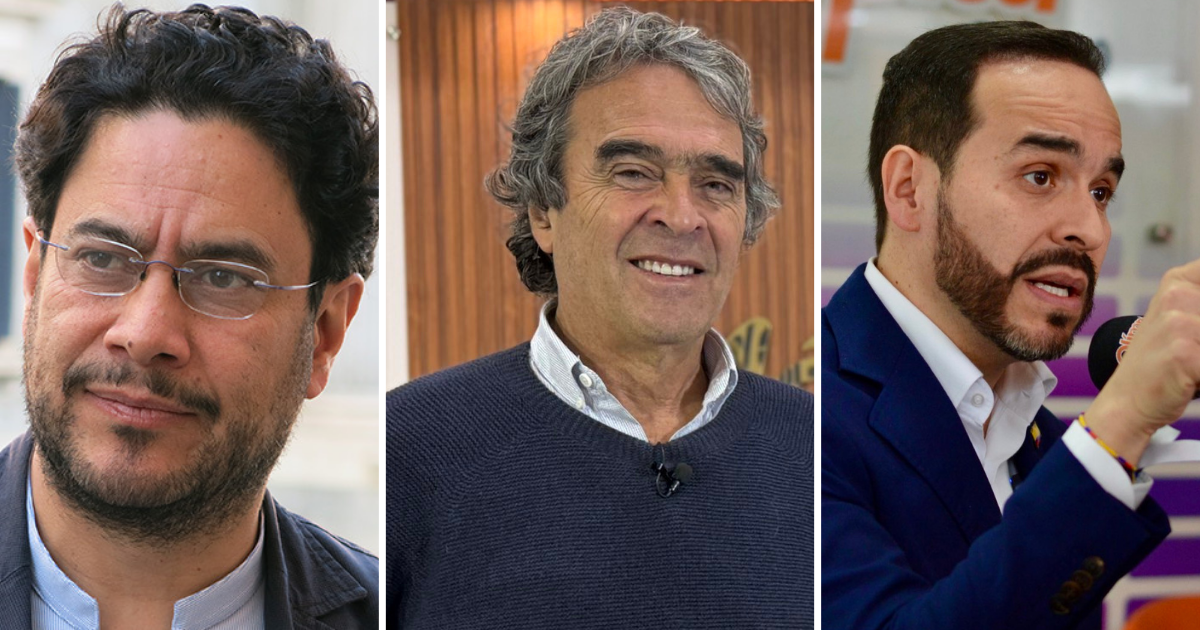
Trump-Endorsed De la Espriella and Colombia’s Drug Policy Fight
Colombia’s next presidential race is not just about one candidate or one party. It could decide how the country handles coca, cocaine trafficking, and the public health fallout that comes with both. The Colombia presidential race now includes a Trump-endorsed contender, Abelardo de la Espriella, and that matters because drug policy in Colombia sits at the center of domestic violence, U.S. pressure, and rural poverty. You cannot separate these threads cleanly. The campaign is already pulling together old security politics and new culture-war rhetoric, and the result could shape how you live with the consequences of prohibition for years. Who gets protected, who gets punished, and who gets ignored?
What stands out in this Colombia presidential race
- Security-first politics is back. De la Espriella is pushing a hard-line message that speaks to voters tired of violence.
- U.S. influence still matters. Trump’s endorsement gives the race a cross-border edge, especially on drugs and migration.
- Public health could get squeezed. A crackdown approach often leaves less room for harm reduction and treatment.
- Rural Colombia remains central. Any serious plan has to address farmers, land use, and state neglect.
Why the Colombia presidential race is about more than slogans
Colombia has spent decades trying to force a military answer onto a social and economic problem. It has not worked. The coca economy survives because it offers income where the state often does not, and because international demand keeps the market alive. That is the basic fact too many campaign speeches skip.
De la Espriella’s rise shows how easily drug policy can be turned into a law-and-order branding exercise. That may play well in a campaign hall. It is a mess in the field, where farmers need roads, schools, credit, and legal markets if they are going to leave coca behind.
Hard-line drug politics usually sound clean on the stage and look expensive on the ground. Colombia has paid for that lesson before.
What a Trump-backed candidate could mean for drug policy
Trump’s endorsement is not a minor campaign note. It signals a familiar playbook. Focus on force, frame drugs as a national humiliation, and promise quick results. But quick results are mostly an illusion.
If de la Espriella wins and governs that way, expect pressure for more eradication, more police action, and a tighter alliance with punitive U.S. drug policy. That could also mean less attention to treatment, prevention, and community-based programs that do not produce flashy headlines but do reduce harm. Think of it like remodeling a house by repainting the walls while the foundation keeps cracking. It looks busy. It does not solve the structure.
What gets lost in a crackdown model?
- Access to treatment for people with substance use disorders
- Support for rural communities tied to coca cultivation
- Investment in public health data and overdose response
- Long-term trust between local communities and the state
How the Colombia presidential race could reshape harm reduction
Colombia has room to build a smarter response, but only if leaders stop treating drug users and coca growers as the same problem. They are not. One is a health issue. The other is an economic and political one. Mixing them up produces bad policy.
There is also the question of whether the next government will tolerate harm reduction at all. Needle and syringe services, drug checking, low-threshold treatment, and outreach may not dominate Colombian politics, but they matter in urban areas where cocaine use and polysubstance risk are real. If the campaign tilts harder into punishment, those services can get sidelined fast.
That is the real test: can a candidate talk about order without turning public health into collateral damage?
What voters should watch before election day
- Does the candidate offer a rural plan? Look for land reform, infrastructure, crop substitution, and market access. Without that, anti-coca promises are smoke.
- Does the candidate mention treatment? If substance use appears only as a crime issue, the policy is already lopsided.
- Does the candidate talk about prevention? Real prevention is education, housing, and youth opportunity, not just slogans about toughness.
- Does the candidate explain how to measure success? Seizures and arrests are easy to count. Fewer deaths, better health, and more stable communities are the harder, better metrics.
Look, election campaigns love simple villains. Coca growers. Cartels. Users. Foreign pressure. But Colombia’s drug problem is built from policy choices as much as criminal enterprise. If voters want a different result, they should demand more than a louder promise to crack down.
What comes next for Colombia’s drug policy
The next president will inherit a country where drug policy, rural development, and U.S. relations are welded together. That makes every campaign promise harder to keep and easier to distort. The most honest candidates will admit that eradication alone has failed, and that public health cannot be an afterthought.
Maybe that is the real dividing line in this Colombia presidential race. Not left versus right. Not tough versus soft. It is whether leaders want to keep repeating a costly script, or finally write one that treats drugs, poverty, and violence as connected problems. Which side do you think voters will reward?
This article is for educational purposes only and should not be considered medical advice. Always consult a qualified healthcare provider before making decisions about addiction treatment. If you or someone you know is in crisis, call SAMHSA's National Helpline: 1-800-662-4357 (free, confidential, 24/7).