Treatment First Homelessness Addiction Mental Illness Plan
Treatment First Homelessness Addiction Mental Illness Plan You keep hearing that homelessness, addiction, and mental illness need a single response. The latest…
Treatment First Homelessness Addiction Mental Illness Plan
You keep hearing that homelessness, addiction, and mental illness need a single response. The latest federal push from HHS and HUD takes that idea and makes it policy. For people living on the street or cycling through shelters, the treatment first homelessness addiction mental illness approach is not a slogan. It shapes whether they get housing, care, and support fast, or get stuck in a maze of referrals and delays.
That matters right now because local systems are under strain. Shelters are full. Behavioral health staff are thin. And the old argument over housing first versus treatment first is still shaping how money gets spent. Look, if you work in this space, you already know the real question is blunt: what actually gets someone into safer conditions and sustained care?
What stands out in the treatment first homelessness addiction mental illness plan
- Federal agencies are trying to align housing and care, not treat them as separate lanes.
- The focus is on people with serious behavioral health needs, including substance use disorder and mental illness.
- Local execution will matter more than press release language. The details live in contracts, outreach teams, and referral paths.
- The policy leans on existing health and housing systems, which means success depends on coordination.
What does treatment first homelessness addiction mental illness actually mean?
Treatment first means a person is connected to clinical care, stabilization, and support early, often before or alongside permanent housing. The logic is simple. If someone is in crisis, you do not wait for the crisis to burn out on its own. You intervene.
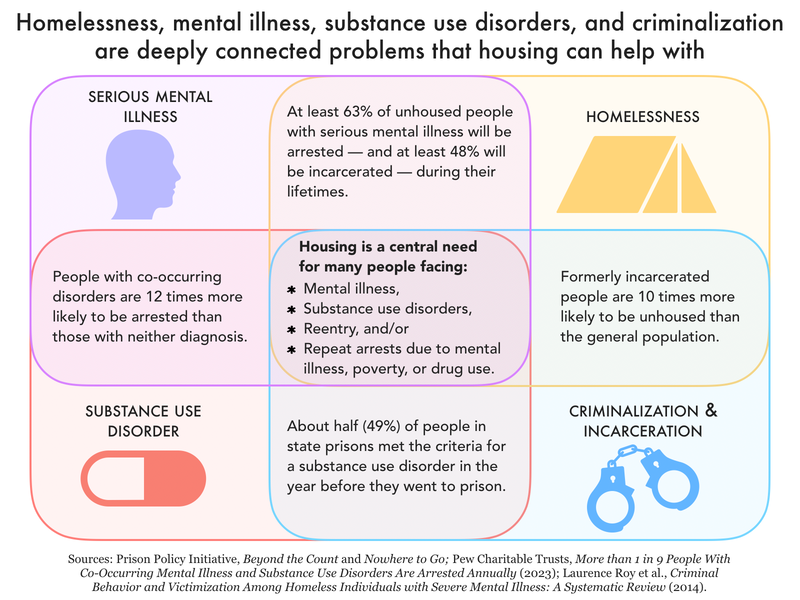
This differs from a pure housing-only response, where permanent housing is treated as the first move and services follow. The federal announcement suggests HHS and HUD want more aggressive linkage between shelter, outreach, medical care, and behavioral health treatment. That includes people with co-occurring disorders, which is the hard case. And that is the case that usually breaks local systems.
Policy only matters if it changes the path from street to care. A new label on the same broken process helps nobody.
Why this policy shift matters now
The timing is no accident. Communities have been reporting pressure on emergency rooms, shelters, and jail diversion programs for years. The Substance Abuse and Mental Health Services Administration has long pointed to the overlap between serious mental illness, substance use, and unstable housing. So has the National Institute on Drug Abuse, which has documented how untreated addiction drives repeated crisis contact.
Here is the thing. If a person keeps bouncing between a sidewalk, an ER, and a shelter bed, that is not a housing problem alone. It is a system failure. A good treatment first model tries to interrupt that loop before it hardens.
What could improve on the ground?
- Faster screening for mental illness and addiction in shelters and outreach settings.
- Better warm handoffs to detox, medication treatment, and psychiatric care.
- More use of case management, peer support, and street medicine teams.
- Clearer coordination between HUD-funded housing programs and HHS-funded care.
Where treatment first can help, and where it can miss
Used well, treatment first can help people who need stabilization before they can hold a lease, keep appointments, or manage daily life. That is especially true for people with psychosis, severe withdrawal risk, or repeated overdoses. You do not need a grand theory to see the point. You need a bed, a clinician, and a plan that keeps the person in the system.
But treatment first can also fail if it becomes a gatekeeping tool. If housing is delayed until someone is judged “ready,” the policy can turn into a waiting room with paperwork. And people do not improve by waiting in limbo. They get sicker.
Think of it like building a house. You do not start with the roof and hope the foundation appears later. Care, housing, and income support all have to line up, or the whole structure wobbles.
How providers can prepare for treatment first homelessness addiction mental illness funding
If you run a shelter, clinic, or outreach program, the practical work starts with referrals. Do you have a real-time path into medication for opioid use disorder? Can your team get someone seen by a psychiatric prescriber within days, not weeks? Can you document the need well enough to move people across systems?
- Map the current flow. Track what happens after a person screens positive for addiction or serious mental illness.
- Build one warm handoff process. Do not leave staff to improvise with ten different contacts.
- Train for co-occurring disorders. Substance use and mental illness often show up together, not separately.
- Measure follow-through. Count completed appointments, medication starts, and retention at 30 and 90 days.
- Work with housing partners early. Service plans fail when housing teams and treatment teams do not speak.
One single sentence matters here. Speed is a clinical variable.
What to watch next from HHS and HUD
The big test is whether this becomes real coordination or another federal alignment story that looks tidy on paper and messy everywhere else. Watch for guidance on grants, local partnerships, and what counts as successful placement. Watch for whether states and cities get flexibility to tailor responses to fentanyl use, chronic psychosis, and unsheltered homelessness, because those are not the same problem in the same clothes.
Also watch who is left out. If the policy only reaches people already inside a service network, the highest-need residents will stay outside it. That would be a familiar failure, and an expensive one.
What this means for you
If you are a provider, advocate, or policymaker, the message is plain. Do not wait for perfect conditions. Start tightening the handoff between outreach, treatment, and housing now. If the new federal direction opens doors, the organizations that already have a working referral chain will move first. The rest will spend the year catching up. Which side do you want to be on?
This article is for educational purposes only and should not be considered medical advice. Always consult a qualified healthcare provider before making decisions about addiction treatment. If you or someone you know is in crisis, call SAMHSA's National Helpline: 1-800-662-4357 (free, confidential, 24/7).