Trauma-Informed Detox Programs: What Reseda Patients Should Look For
Trauma-Informed Detox Programs: What Reseda Patients Should Look For If you or someone close to you is searching for safer withdrawal support, trauma-informed…
Trauma-Informed Detox Programs: What Reseda Patients Should Look For
If you or someone close to you is searching for safer withdrawal support, trauma-informed detox programs deserve a hard look. Detox is already physically stressful. Add untreated trauma, anxiety, shame, or panic, and the process can get harder fast. That matters now because more treatment providers are using the phrase, but the quality behind it varies a lot. Some centers make small changes to language and staff training. Others build the whole detox experience around emotional safety, trust, and patient choice. That difference is not cosmetic. It can shape whether a person stays in care, feels stable enough to continue treatment, and avoids leaving against medical advice. So what should you actually look for in a trauma-aware detox setting in Reseda or anywhere else?
What matters most
- Trauma-informed detox programs focus on physical withdrawal and emotional safety at the same time.
- Good programs train staff to reduce triggers, explain choices clearly, and avoid confrontational care.
- Real trauma-aware detox should include screening, individualized planning, and step-down support after withdrawal.
- The phrase is easy to market. You need proof in staffing, policies, and patient experience.
What are trauma-informed detox programs?
At a basic level, trauma-informed care means staff assume many patients may have a trauma history, even if they never disclose it. That changes how detox is delivered. The goal is not to force a trauma narrative. The goal is to avoid making withdrawal more chaotic, frightening, or disempowering than it already is.
The Substance Abuse and Mental Health Services Administration, or SAMHSA, has long framed trauma-informed care around safety, trustworthiness, peer support, collaboration, empowerment, and cultural awareness. Those are not abstract ideals. In detox, they affect everything from intake interviews to medication explanations to how staff respond when a patient gets agitated.
Trauma-aware detox is less about slogans and more about whether the unit feels predictable, respectful, and safe when a patient is at their worst.
Why trauma-informed detox programs matter during withdrawal
Withdrawal can mimic or intensify trauma responses. Rapid heart rate, sweating, insomnia, confusion, and hypervigilance can make patients feel trapped or under threat. For some, a loud unit, abrupt commands, or lack of privacy can trigger panic. And then the person gets labeled “difficult.” That is bad care.
Here’s the thing. Detox works best when patients can tolerate the process long enough to stabilize. A trauma-informed model can improve that by reducing avoidable stressors and helping people stay engaged. Think of it like setting a broken bone before asking someone to run drills. If the foundation is off, the next phase suffers too.
One sentence matters here.
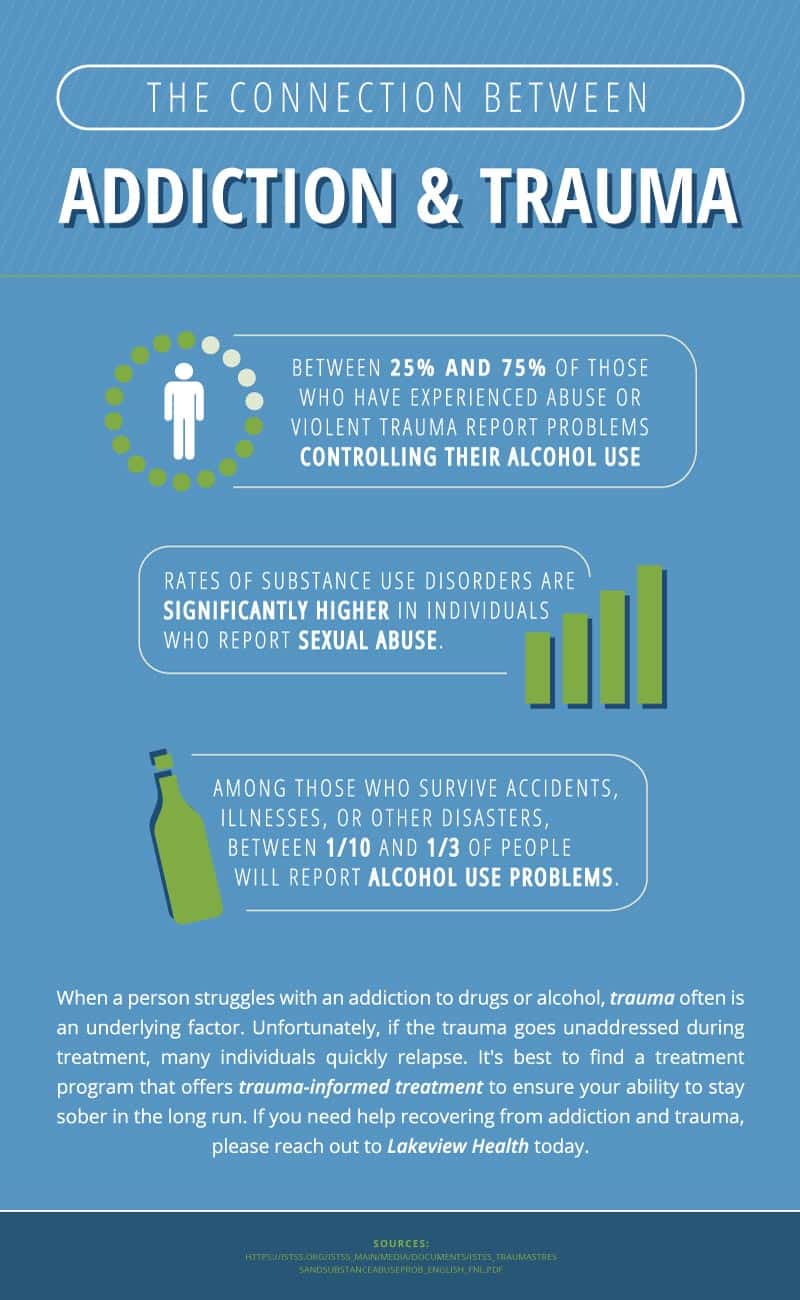
According to SAMHSA and the National Center for Trauma-Informed Care, trauma exposure is common among people with substance use disorders, which makes trauma-aware treatment design a practical standard, not a niche add-on.
How to tell if a trauma-informed detox program is real
Marketing copy is cheap. Policies are harder. Staff behavior is hardest of all.
If a detox center in Reseda says it offers trauma-informed care, ask direct questions and listen for precise answers. Vague language usually means a vague model.
Ask about staff training
Do nurses, techs, therapists, and intake staff receive training on trauma responses? How often? Is de-escalation part of that training? If the answer only mentions clinicians, that is a red flag. Frontline staff shape most of the patient experience.
Ask how patient choice works in practice
Can patients get clear explanations before medications, room changes, searches, or assessments? Are they offered options where clinically appropriate? Choice does not mean no rules. It means fewer unnecessary power struggles.
Ask about the environment
Is the detox unit calm, predictable, and private enough to reduce triggers? Are there gender-responsive options if needed? Even small details matter, including noise levels, overnight checks, and how staff enter rooms (yes, that kind of thing can change the whole feel of a unit).
Ask how the program handles distress
If a patient becomes overwhelmed, does the team default to confrontation, or do they use grounding, reassurance, and step-by-step communication first? Good detox centers have a plan for this. Great ones train it until it becomes routine.
What strong trauma-informed detox programs usually include
- Trauma screening at intake
Not a forced deep dive, but a careful check for trauma history, triggers, and current safety concerns. - Individualized withdrawal planning
Medication support, sleep strategies, and observation levels should fit the person, not just the protocol. - Clear communication
Patients should know what is happening, why it is happening, and what comes next. - Nonjudgmental staff culture
Shame drives people out of care. Respect keeps them in the room. - Mental health support during detox
That can include anxiety management, brief counseling, psychiatric input, and coping tools. - Continuity after detox
Withdrawal is step one. Real care includes handoff into residential treatment, outpatient care, or dual-diagnosis treatment.
Trauma-informed detox programs and dual diagnosis care
Many people entering detox are dealing with more than substance dependence. PTSD, depression, panic disorder, and other mental health conditions often show up at the same time. That is one reason trauma-informed detox programs need strong dual diagnosis support. A patient may look resistant when they are actually terrified. They may look detached when they are dissociating. Those are very different clinical pictures.
Honestly, this is where weak programs get exposed. If a center talks about trauma but has thin psychiatric coverage or no meaningful follow-up plan, the model is incomplete. Detox should stabilize the body while also spotting the mental health issues that can pull a person back into use after discharge.
Questions to ask a Reseda detox center before admission
- How do you train staff in trauma-informed care?
- Do you screen for PTSD, anxiety, or trauma history during intake?
- How do you reduce triggers during detox?
- What happens if a patient becomes panicked or agitated?
- Is psychiatric support available during withdrawal?
- How do you transition patients into the next level of care?
Why ask so many questions? Because the phrase sounds good, and that is exactly why it needs scrutiny.
What this expansion trend means for addiction treatment
The source press release points to an expansion of trauma-informed care within detox programs. On its face, that is a positive shift. Addiction treatment has spent years learning that harsh, rigid, one-size-fits-all care does not serve patients well, especially early in recovery. More centers are finally adjusting.
But I would push back on any victory lap. Trauma-informed care only matters if it changes daily practice. Does it improve intake? Does it reduce avoidable conflict? Does it help patients move into treatment with more stability? Those are the real tests. Anything less is branding.
Where to focus next
If you are evaluating detox options, do not stop at amenities or promises. Look at how the place works under pressure. Ask who is on staff overnight. Ask how they explain medications. Ask what happens when a patient says no, freezes up, or wants to leave.
That is where trauma-informed detox programs prove their value. The next few years will tell us which providers mean it and which ones just learned a new phrase. Patients and families should force that distinction.
This article is for educational purposes only and should not be considered medical advice. Always consult a qualified healthcare provider before making decisions about addiction treatment. If you or someone you know is in crisis, call SAMHSA's National Helpline: 1-800-662-4357 (free, confidential, 24/7).