Tobacco Harm Reduction: What Still Works
Tobacco Harm Reduction: What Still Works People who want to cut tobacco risk are stuck between bad choices and louder opinions. That is the problem, and it…
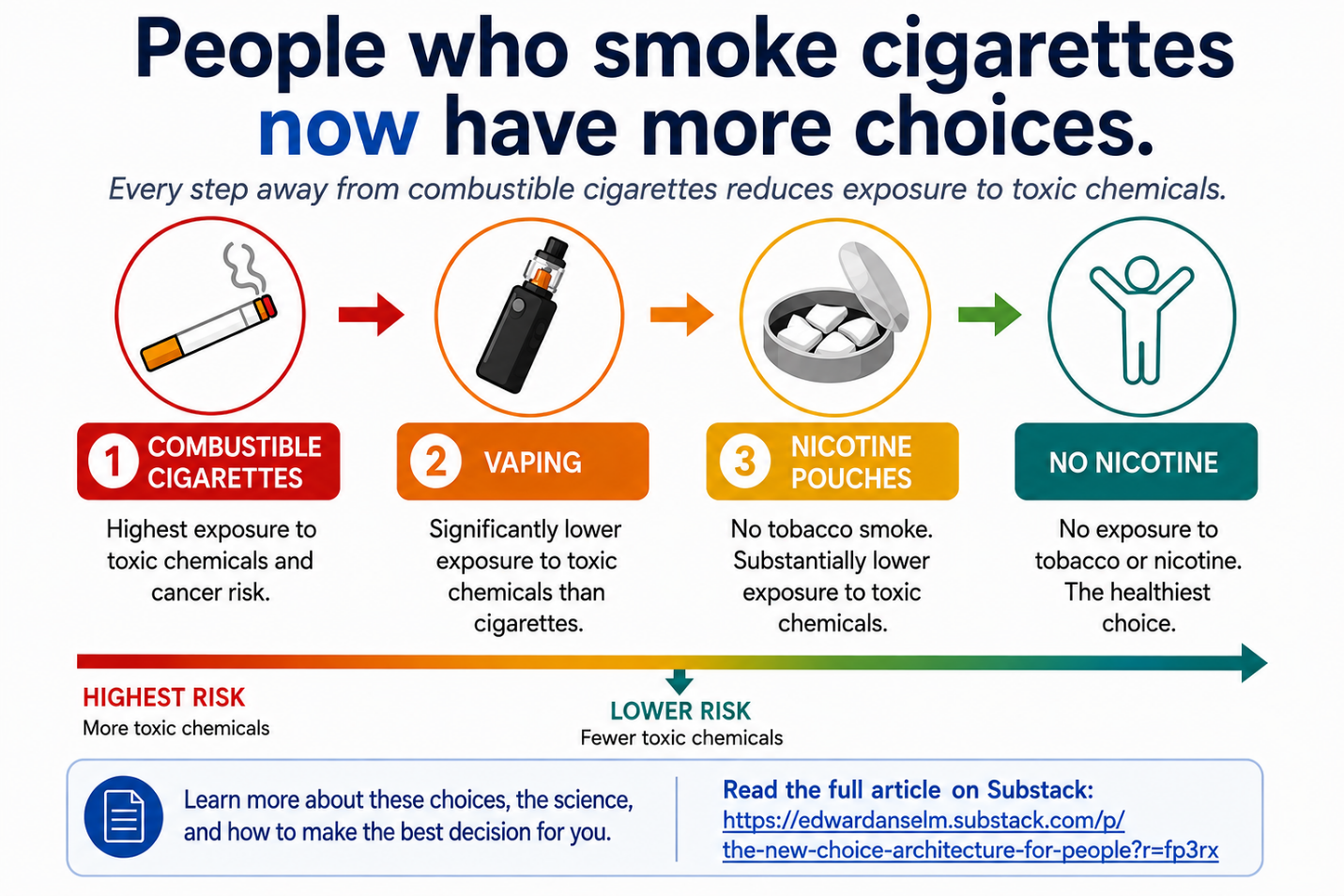
Tobacco Harm Reduction: What Still Works
People who want to cut tobacco risk are stuck between bad choices and louder opinions. That is the problem, and it matters now because smoking still drives a huge share of preventable disease, while public debate keeps getting tangled in slogans. tobacco harm reduction gives you a more useful question than “quit or fail.” It asks what reduces harm the most, fastest, and for the most people. That is a far better lens for policy, care, and plain old common sense.
Look, the evidence is not perfect, and no one serious should pretend it is. But the basic logic is strong: if a person cannot or will not stop nicotine right away, moving away from combustible cigarettes can lower exposure to toxic smoke. Why keep forcing an all-or-nothing frame when real people do not live that way?
What to know about tobacco harm reduction
- Combustible cigarettes are the main danger. Smoke, not nicotine alone, drives much of the damage.
- Lower-risk options exist. Nicotine pouches, patches, gum, and some vaping products can reduce exposure compared with smoking.
- Switching matters more than swapping. Partial use keeps the risk high if cigarettes stay in the mix.
- Policy should match evidence. Rules that ignore product differences can push people back to smoking.
- People need honest guidance. Sugarcoating the tradeoffs helps nobody.
Why tobacco harm reduction still matters
Smoking rates have fallen in many countries, but millions of people still smoke, and many have already tried to quit. Some will use counseling, medication, and willpower. Some will cycle through relapse more than once. That is not failure. It is the usual shape of behavior change.
Harm reduction fits that reality. It gives you a ladder instead of a cliff. Nicotine replacement therapy, for example, has long been part of this approach. So have less harmful nicotine delivery systems, though they are often debated far more than their evidence warrants.
“The sharpest public-health gains usually come from getting people away from smoke, not from demanding instant perfection.”
How tobacco harm reduction works in practice
The core idea is simple. Reduce exposure to the most dangerous part of the habit first, then keep moving down the risk scale. It is a bit like replacing a rusted roof plank by plank instead of tearing down the whole house on day one. You still aim for a safer structure. You just do it in steps.
- Start with the person’s current pattern. How much do they smoke? What have they tried before? What got in the way?
- Match the tool to the need. Patches and gum can help with withdrawal. Vapes may work better for some adults who need a stronger substitute for smoking.
- Set a clear goal. The best outcome is complete switching away from cigarettes. Cutting down is a start, not the finish line.
- Check for dual use. If someone keeps smoking daily, the risk reduction is far weaker than most people assume.
- Keep support in the picture. Follow-up, counseling, and troubleshooting improve the odds of success.
What the evidence tends to show
Public Health England, now part of the UK Health Security Agency, has repeatedly said that vaping is substantially less harmful than smoking, though not risk free. The Cochrane Review has also found that nicotine e-cigarettes can help more smokers quit than nicotine replacement therapy in some studies. Those findings do not end the debate, but they do set a baseline. Any honest discussion has to start there, not with wishful thinking.
And yes, product quality and regulation matter. A market with poor standards can create new risks, especially for young people and non-smokers. That is why smart harm reduction is not a free-for-all. It is a controlled tradeoff.
Where the debate goes off the rails
The loudest arguments often blur two separate issues. One is youth uptake. The other is how adults who already smoke can lower risk. Mixing them together makes policy sloppy.
Some critics treat any nicotine product as if it were interchangeable with cigarettes. It is not. Others treat every alternative as harmless. That is wrong too. The useful position sits in the middle, and it requires discipline. Risk is not a single number. Combustion, nicotine dependence, inhalation method, product quality, and user age all change the picture.
Here’s the thing. If you make safer options too hard to access, some people will simply keep smoking. That tradeoff should be weighed openly, not buried under moral language. What good is a policy that looks tough but leaves more people exposed to smoke?
What you can do if you smoke now
If you are trying to reduce harm, start with the most realistic next step. Not the perfect one. The realistic one.
- Ask a clinician about nicotine patches, gum, lozenges, or prescription medication.
- If you have failed with one method, try another. Different tools work for different people.
- Do not aim for “some cigarettes plus some alternative” as a long-term plan.
- Track what triggers smoking, then build around those moments.
- If you switch to a less harmful product, set a review point so you do not drift back.
People often need more than one attempt. That is ordinary. The goal is progress that lowers risk, not a purity test.
The policy question nobody can dodge
Good tobacco policy should do two things at once. It should keep youth from starting nicotine use, and it should help current smokers move away from combustion. That is a hard balance, but policy is supposed to be hard. If the answer is only punishment or only permission, it will miss the mark.
The smartest next step is to separate the products by risk and regulate them accordingly. That means strict rules for marketing to minors, solid product standards, and clear communication for adults who smoke. Anything less leaves too much to chance.
The next fight in tobacco harm reduction will not be about slogans. It will be about whether public health can keep its eye on actual risk. Are we willing to judge products by what they do, not by what they symbolize?
What comes next for tobacco harm reduction
The field needs less theater and more honesty. Adults who smoke deserve better than scolding, and young people deserve stronger protection than fuzzy messaging. If policy makers can hold both ideas at once, tobacco harm reduction can stay useful. If they cannot, the loudest voices will keep steering the conversation off the road.
That is the test now. Not who sounds pure. Who gets fewer people hurt?
This article is for educational purposes only and should not be considered medical advice. Always consult a qualified healthcare provider before making decisions about addiction treatment. If you or someone you know is in crisis, call SAMHSA's National Helpline: 1-800-662-4357 (free, confidential, 24/7).