TikTok Opioid Trends May Predict Overdose Risk
TikTok Opioid Trends May Predict Overdose Risk Public health teams usually learn where the opioid crisis is worsening after the damage is already visible in…
TikTok Opioid Trends May Predict Overdose Risk
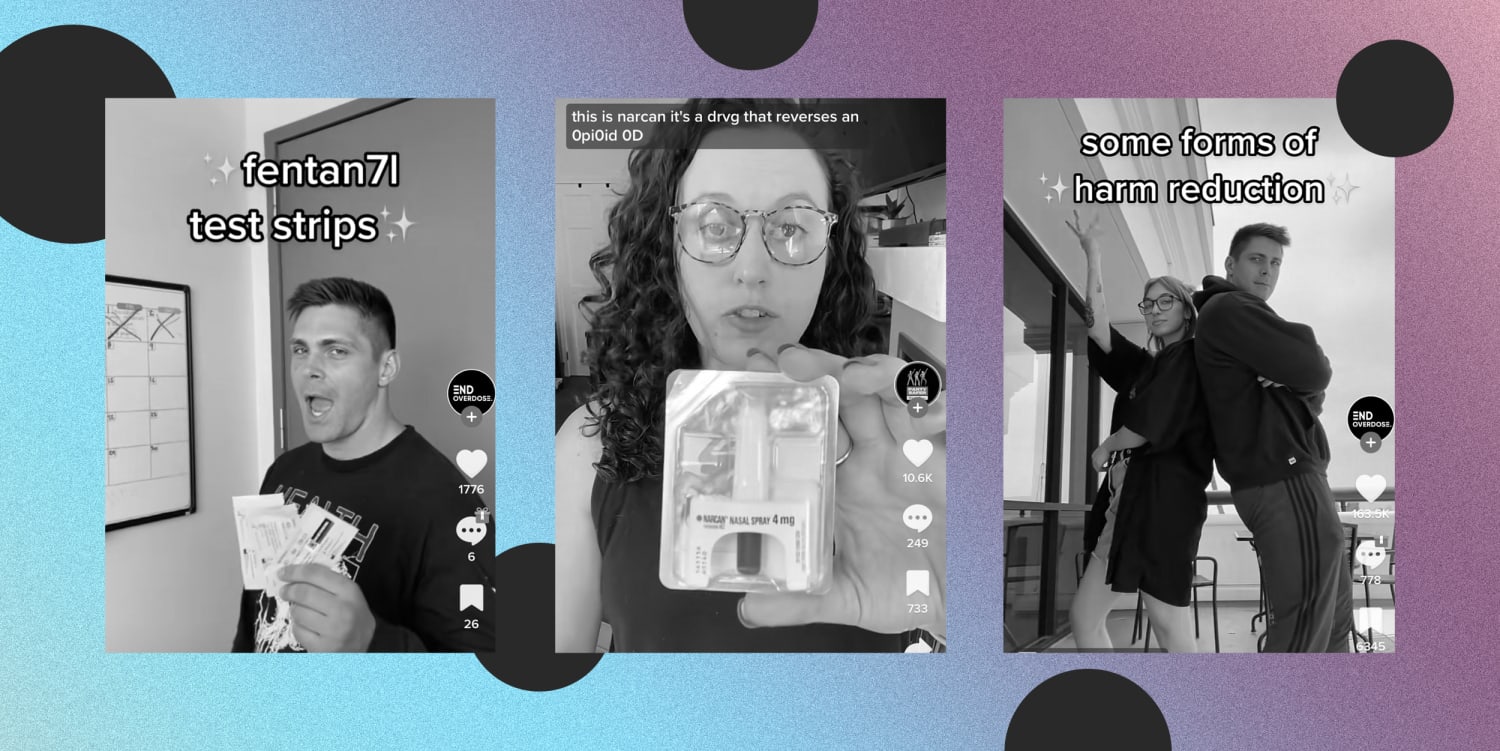
Public health teams usually learn where the opioid crisis is worsening after the damage is already visible in emergency room visits, overdose deaths, or toxicology reports. That lag costs time, and time matters when drug supplies shift fast. New research suggests TikTok opioid trends could offer an earlier signal. By tracking the language, themes, and drug references that spread on the platform, researchers think they may spot local changes in interest, use patterns, or drug availability before traditional systems catch up.
Why does that matter now? Because the illicit opioid market changes in weeks, not years. Fentanyl, xylazine, counterfeit pills, and new mixtures move through communities quickly. If social media chatter can help point to the next hotspot, health agencies may be able to move naloxone, testing strips, outreach staff, and treatment access faster.
What stands out here
- TikTok opioid trends may work as an early warning signal, not a replacement for official data.
- Social posts can reveal shifts in drug supply, slang, and behavior before hospital or death data is available.
- Public health agencies could use this signal to target naloxone distribution, outreach, and treatment resources.
- The method has limits, including privacy questions, regional bias, and the risk of reading too much into noisy data.
What the new research on TikTok opioid trends found
The report covered by News-Medical points to a simple but sharp idea. Researchers examined opioid-related chatter on TikTok and found that online discussion patterns may help predict where the crisis is heading next. That does not mean a viral post causes drug use. It means public posts may reflect real-world changes already building under the surface.
Look, this is not a magic dashboard. Social media data is messy, uneven, and full of context problems. But public health has used imperfect signals before, from wastewater monitoring to Google search trends. Why ignore a giant stream of real-time conversation if it can add even a few days or weeks of warning?
Social media is best used as an early signal. It is a tip line for trend detection, not a final verdict.
That distinction matters.
How TikTok opioid trends could help harm reduction teams
Traditional overdose surveillance is slow for structural reasons. Death certificate data can take months. Hospital reporting varies by region. Street drug testing is useful, but it is often limited in scale. TikTok, by contrast, updates by the minute.
If researchers or agencies spot a sudden rise in posts about a specific pill color, a fentanyl mix, or a local nickname for a potent batch, that can shape field decisions. Think of it like weather radar versus waiting for flood damage reports. One tool gives you hints about what is forming. The other confirms what already hit.
- Faster naloxone deployment: Outreach groups can send supplies to neighborhoods where risk signals appear to be climbing.
- Better street outreach: Teams can tailor warnings around the exact drug names or slang people are using.
- Quicker clinical alerts: ERs and addiction treatment providers can watch for specific substances or combinations.
- Smarter education campaigns: Public messages can respond to current behavior instead of outdated assumptions.
And that last point is non-negotiable. A lot of drug education fails because it speaks in stale language while the street market has already moved on.
Why social media can reveal drug shifts before official systems
Drug trends often show up first in conversation. People post about effects, bad reactions, price changes, availability, counterfeit pills, and combinations they are seeing. Some posts are jokes. Some are performance. Some are blunt warnings to peers. Mixed together, they still create a signal.
That is especially relevant on TikTok, where audio, captions, comments, and short-form storytelling can spread fast across local circles. A phrase used in one city can jump regions in days. Researchers who track those patterns carefully may catch movement that public databases miss.
What kind of signals matter most
- Mentions of specific opioids such as fentanyl or heroin
- References to adulterants like xylazine
- Talk about counterfeit prescription pills
- Changes in slang tied to a region or subculture
- Posts describing unusual overdose clusters or strong batches
Honestly, the comments may be as useful as the videos themselves. That is often where people correct each other, compare experiences, or flag local conditions (and where the real story slips out).
The big limits of TikTok opioid trends data
There is real promise here, but hype would be a mistake. Social media users are not a perfect sample of people at risk for opioid overdose. Age, geography, platform culture, and algorithm changes all skew what you see. A surge in posts might reflect attention, media coverage, or moral panic rather than actual drug market movement.
Then there is privacy. Researchers and health agencies need clear guardrails about what data is public, how it is analyzed, and how communities are protected from surveillance abuse. If people think harm reduction means being watched, trust disappears fast.
Bad interpretation is another risk. A data team that does not understand local slang can miss the point entirely. That is why any serious model should pair platform analysis with people on the ground, including peer support workers, toxicologists, ER clinicians, and local harm reduction groups.
The strongest system would blend social media signals with overdose data, drug checking, EMS reports, and community outreach feedback.
What public health agencies should do with TikTok opioid trends
Agencies should treat this as one layer in a broader warning system. Not the whole system. A practical setup would look something like this:
- Track public opioid-related terms, slang, and local drug references on TikTok.
- Compare spikes with EMS calls, poison center reports, and emergency department trends.
- Ask local outreach teams whether the online chatter matches what they are hearing.
- Issue targeted alerts only when multiple signals line up.
- Review results often so false alarms do not become standard practice.
This is where veteran reporters tend to push back on shiny tech claims. The value is not in the platform itself. The value is in whether faster signals lead to more naloxone in the right hands, better treatment access, and fewer deaths. If that link is weak, the model is just noise dressed up as insight.
What this means for treatment and recovery services
Treatment providers can use trend monitoring to prepare for shifts in what patients are using. If local chatter points to fentanyl-laced pills or sedative mixes, clinics may need stronger overdose education, more take-home naloxone, and more direct counseling on contamination risk. That can also shape intake questions and withdrawal planning.
Family support groups and recovery programs have a role too. They often hear changes in real time from loved ones long before official alerts land. If public health teams build solid local partnerships, social media monitoring becomes less of a top-down project and more of a shared early-warning network.
Where this could go next
The smart move is careful expansion. Researchers should test whether TikTok opioid trends consistently match later overdose spikes across different regions, demographics, and drug types. They should also publish methods clearly enough for other teams to challenge the findings. That is how trust is built.
But the bigger question is practical. If we can spot risk earlier and still fail to move naloxone, treatment slots, and street-level warnings in time, what exactly have we improved?
This article is for educational purposes only and should not be considered medical advice. Always consult a qualified healthcare provider before making decisions about addiction treatment. If you or someone you know is in crisis, call SAMHSA's National Helpline: 1-800-662-4357 (free, confidential, 24/7).