Tiger Woods Drug Rehab Choice Shows How Stars Seek Quiet Recovery
Tiger Woods Drug Rehab Choice Shows How Stars Seek Quiet Recovery Fans remember the mugshot, the flashing lights, the shock headlines. But the real story sits…
Tiger Woods Drug Rehab Choice Shows How Stars Seek Quiet Recovery
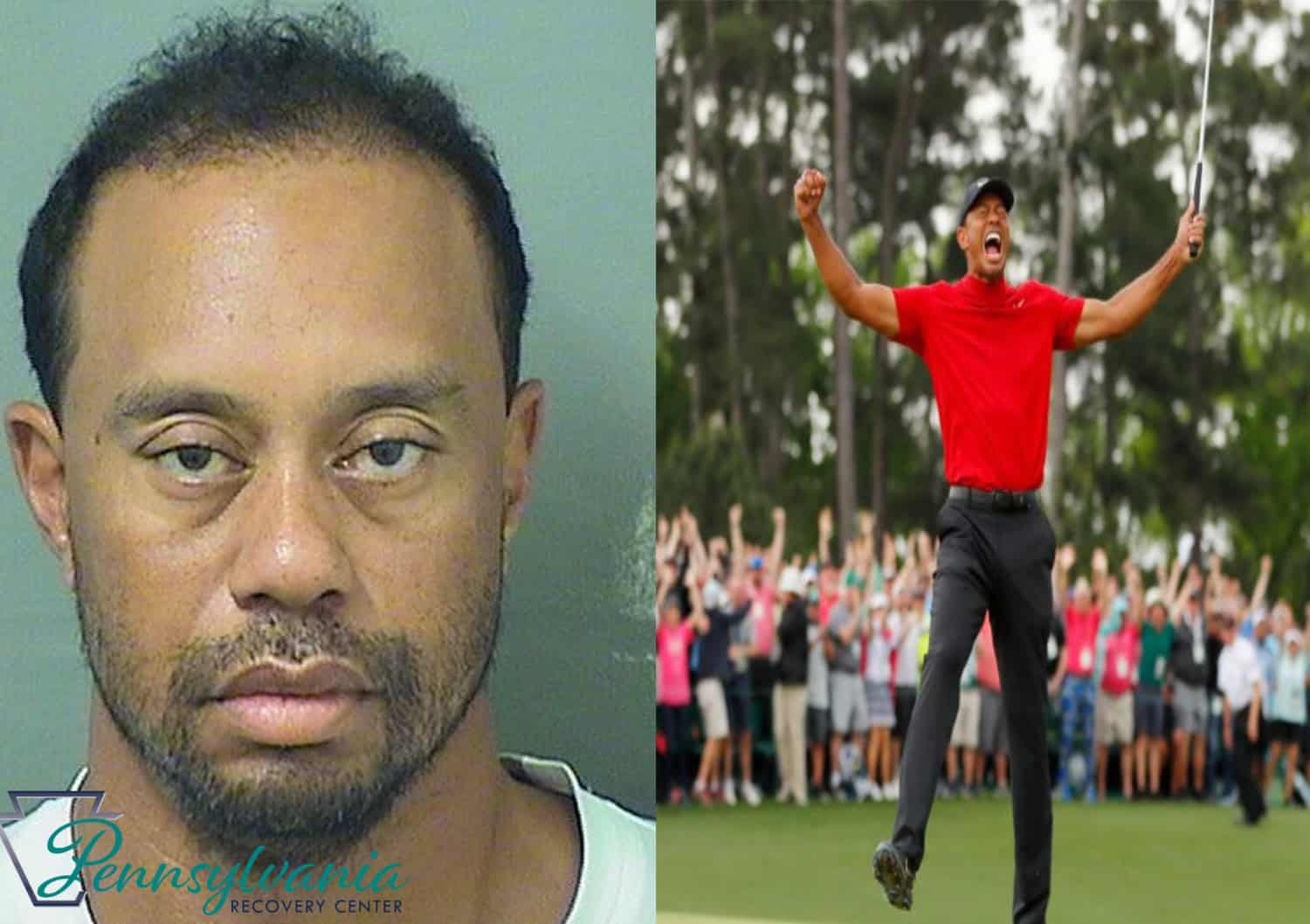
Fans remember the mugshot, the flashing lights, the shock headlines. But the real story sits on the flight plan: Tiger Woods slipped to Zurich for drug rehab after his DUI arrest, choosing distance over spectacle. If you care about Tiger Woods drug rehab as a model for modern athlete recovery, you see why timing and venue matter. Quiet clinics in Europe promise privacy, medical rigor, and a buffer from American tabloids. That move signals to sponsors and courts alike that an athlete is serious about treatment. It also shows families how to push for care without feeding the frenzy. Why does that matter right now? Because more pros face painkiller risks, and the playbook they follow can shape public trust.
What Stands Out
- Zurich’s private clinics offer medical detox and pain management behind closed doors.
- Speed matters: entering care within days of a DUI arrest can influence legal outcomes.
- Cross-border treatment raises insurance and aftercare questions that athletes often overlook.
- Public silence can calm sponsors while a credible physician-led plan runs in the background.
One quiet flight to Zurich changed the tone.
Why Tiger Woods Drug Rehab Became a Template
Look, Woods is no rookie at crisis control, and his team knew a domestic stay would draw paparazzi vans. Moving to Switzerland let him reset under stricter privacy laws and highly specialized pain clinics. It mirrors how a veteran golfer walks past the noisy gallery to find a stable swing plane. The setting matters as much as the swing. Does every athlete need a Swiss ticket? No, but the principles travel: fast entry, credible doctors, and a plan for medication tapering. Sponsors often read clinical choice as intent, not PR.
“You do not rebuild a career by press release, you rebuild it by showing up to treatment,” a sports medicine physician told me.
And that simple line explains why his camp prioritized a physician-led detox over a press conference.
MainKeyword in Care Planning: Tiger Woods Drug Rehab Lessons
Here’s the thing: pain management after surgeries can tilt into dependence, and golf’s repetitive strain makes opioids a recurring risk. Athletes need a protocol that feels more like a caddie’s yardage book than a vague promise. That means daily dosing logs, sleep tracking, and rapid lab work. Bringing family into the plan adds accountability, much like a coach walking every hole.
- Secure privacy: choose a facility with strong data protections and limited media access.
- Verify medical depth: check for addiction specialists, not just generalists.
- Plan reentry: line up aftercare at home before discharge to avoid relapse gaps.
- Align with legal needs: document treatment for courts and governing bodies.
What happens when a global icon chooses a quiet clinic over public penance? Fans see the difference between a headline apology and a medical plan that sticks.
Balancing Reputation and Recovery
I’ve watched teams botch this by talking first and treating later. Woods flipped that order. Moving abroad reduced the daily media drip, bought him clinical focus, and kept sponsors from bolting. Privacy is not an escape hatch; it is a way to let doctors work without camera crews. Think of it like bunker practice: tedious, unseen, but essential to save the round.
Sponsors want proof of progress, not quotes. Providing physician notes, toxicology updates, and a return-to-play timeline gives partners confidence while keeping patient autonomy intact. Families should ask for the same transparency.
Where Families and Athletes Can Start
If you face similar painkiller spirals, start with an assessment from a board-certified addiction specialist. Build a week-by-week plan that covers detox, medication-assisted treatment if indicated, physical therapy, and sleep hygiene. Add a relapse prevention map with named supports—coach, partner, therapist. Stay wary of clinics that promise quick fixes without measurable milestones. The goal is not to hide; it is to heal with fewer distractions.
Looking Ahead
The next time an athlete hits crisis speed, expect more passports in play. International centers will stay attractive for those who can afford them, but the core lesson is portable: act fast, pick credible clinicians, and keep treatment ahead of optics. The sport will move on. The question is whether recovery plans will keep pace.
This article is for educational purposes only and should not be considered medical advice. Always consult a qualified healthcare provider before making decisions about addiction treatment. If you or someone you know is in crisis, call SAMHSA's National Helpline: 1-800-662-4357 (free, confidential, 24/7).