SSPX Bishops Consecration and Catholic Schism Tensions
SSPX Bishops Consecration and Catholic Schism Tensions The SSPX bishops consecration put a long-running fight inside the Catholic Church back in the spotlight.…
SSPX Bishops Consecration and Catholic Schism Tensions
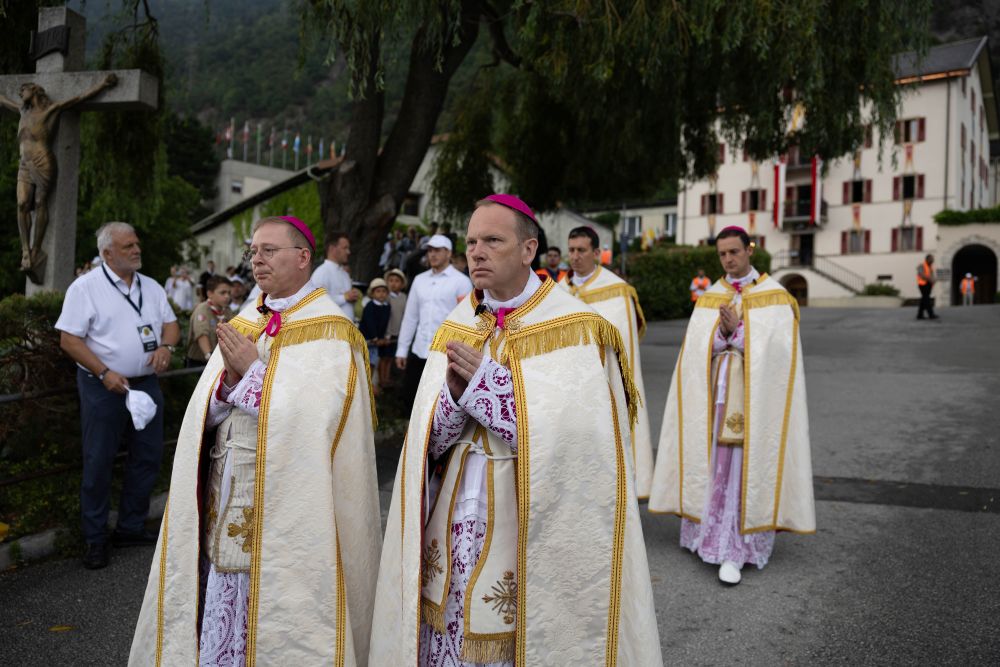
The SSPX bishops consecration put a long-running fight inside the Catholic Church back in the spotlight. If you follow church politics, you already know this is not a minor ceremony. It touches authority, obedience, and the question of who gets to define Catholic unity. Why does that matter now? Because every new standoff between Rome and traditionalist groups shows how fragile institutional trust can be when rules, ritual, and power collide.
Look, this is not just a Vatican story. It is a test case for how religious institutions handle defiance when the people involved still claim loyalty to the same faith. The details are old, but the pressure is current. And the consequences still echo through seminaries, dioceses, and lay Catholic circles.
- The SSPX bishops consecration was treated as a direct challenge to papal authority.
- The Vatican response centered on excommunication and the defense of church order.
- The dispute exposed a deep split over tradition, obedience, and legitimacy.
- Events like this shape how Catholics judge who speaks for the church.
What the SSPX bishops consecration was really about
The Priestly Society of Saint Pius X, or SSPX, formed around opposition to reforms from the Second Vatican Council. Its leaders argued that modern changes weakened Catholic doctrine and worship. So when the group consecrated bishops without papal approval, it was more than a personnel move. It was a direct statement about who holds final authority.
The Vatican saw it differently. In Catholic canon law, consecrating bishops without a pope’s mandate is a grave offense because bishops are not just administrators. They are part of the church’s chain of apostolic succession. Break that chain, and you do not just bend a rule. You strike at the structure itself.
For Rome, the issue was not simply liturgy. It was whether a group could reject papal authority and still claim full communion with the church.
Why the excommunication response mattered
Excommunication is the church’s strongest disciplinary tool. It does not mean a person is outside God’s mercy, but it does mark a break in sacramental and institutional life. In this case, the response was meant to signal that unauthorized episcopal ordinations carry real consequences.
Think of it like a building code violation on a load-bearing wall. You can argue about the design all day. But if you cut into the wrong part of the structure, the whole frame is at risk. That is how church officials framed the act.
The reaction also showed how Rome balances discipline with the hope of reconciliation. The Vatican has often tried to keep the door open for traditionalists, even while rejecting unilateral moves. That tension has never really gone away.
SSPX bishops consecration and the fight over tradition
The deeper fight is about what counts as authentic Catholic tradition. The SSPX has long argued that it protects older forms of worship and teaching. Its critics say the group treats selective tradition as a license to disobey.
That argument still has bite. Many Catholics who favor the Latin Mass or older devotional practices do not support schism. But the SSPX case keeps blurring that line. Are you defending tradition, or are you building a parallel authority structure?
That question is the real fault line.
Three pressure points in the dispute
- Authority. Can a bishop act without the pope and still claim legitimacy?
- Doctrine. Who decides what counts as faithful continuity after Vatican II?
- Communion. What does unity mean when a group rejects central decisions but retains Catholic identity markers?
What this means for Catholic unity now
The SSPX bishops consecration matters because it shows how quickly ritual can turn into politics. Once a group acts outside the normal chain of approval, every symbol becomes loaded. Vestments, liturgy, titles, and sacraments all carry extra weight.
Church leaders know this. So do critics inside the church. The result is a stalemate that feels familiar in other institutions. Schools, parties, and nonprofits all face the same problem when factions believe the center has lost its way.
But Catholicism makes the stakes higher, because authority is sacramental as well as administrative. That is why these disputes do not fade cleanly. They linger, and they keep returning under new names.
What readers should watch next
If you want to understand future SSPX moves, watch three things. First, whether Rome offers any new path toward regularization. Second, whether traditionalist Catholics keep separating liturgical preference from institutional defiance. Third, whether younger clergy treat old disputes as history or as a model.
The church can manage disagreement for a long time. But can it keep absorbing acts that challenge the chain of command without weakening that chain? That is the question that still hangs over every similar clash.
The next move will tell you more than the speeches ever will.
This article is for educational purposes only and should not be considered medical advice. Always consult a qualified healthcare provider before making decisions about addiction treatment. If you or someone you know is in crisis, call SAMHSA's National Helpline: 1-800-662-4357 (free, confidential, 24/7).