Springfield Addiction Treatment Center Opens Downtown
Springfield Addiction Treatment Center Opens Downtown Finding addiction care is hard enough. Finding it close to home, near a bus line, and in a place people…
Springfield Addiction Treatment Center Opens Downtown
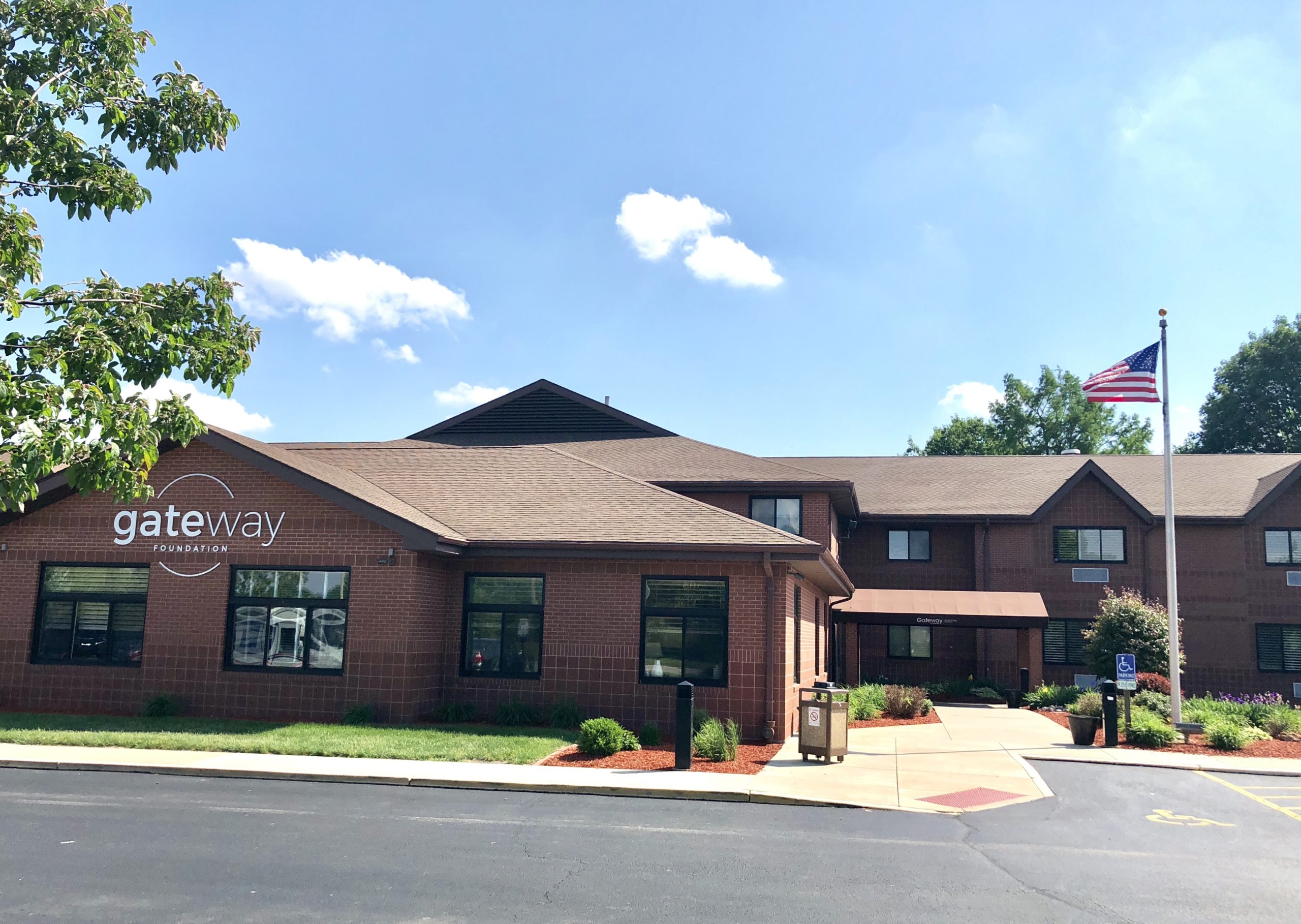
Finding addiction care is hard enough. Finding it close to home, near a bus line, and in a place people can reach without a long wait can make the difference between asking for help and giving up. That is why the new Springfield addiction treatment center opening in downtown Springfield matters right now. For people dealing with substance use, and for families trying to help, access is not a side issue. It is the issue. A downtown site can lower travel barriers, connect more residents to treatment, and put support where daily life already happens. That may sound basic, but in recovery care, basic access often decides who gets through the door. And if a new center can bring treatment closer to people who need it, that is a real shift, not a photo-op.
What stands out
- The new downtown site can make addiction care easier to reach for Springfield residents.
- Location matters because transportation and time often block treatment.
- A visible treatment center can help connect people to counseling, recovery support, and next-step care.
- For families, one more local option can mean faster action during a crisis.
Why the Springfield addiction treatment center matters
Downtown placement is not a minor detail. It changes who can realistically show up. If someone needs to rely on public transit, walk from nearby housing, or fit treatment around work, central access helps.
Look, addiction treatment does not work well when the first hurdle is just getting there. A new center in downtown Springfield meets people where they are, literally. That is often more useful than polished promises about recovery systems.
Access shapes outcomes. If care is easier to reach, more people have a fair shot at starting treatment.
There is also the visibility factor. A treatment center in the middle of the city sends a message that addiction care belongs in the community, not hidden at the edge of it. That matters for stigma, and stigma still keeps plenty of people silent.
What services people usually need from a Springfield addiction treatment center
The local report focuses on the opening itself, but most people asking a practical question want to know what a center like this may offer. While services vary by provider, addiction treatment centers often connect people to a mix of support that can include assessment, outpatient care, counseling, and referrals for higher levels of treatment when needed.
Think of it like an emergency room triage desk mixed with a long-haul coaching plan. One size never fits all in substance use treatment, and it should not.
- Initial assessment. This helps staff understand substance use history, mental health needs, and immediate risk.
- Individual counseling. One-on-one sessions can help people build coping skills and plan for relapse prevention.
- Group support. Peer connection can reduce isolation and improve accountability.
- Care coordination. Many people need referrals to detox, medication treatment, housing help, or mental health services.
- Family support. Families often need guidance almost as much as the person entering treatment.
That coordination piece is easy to overlook.
But it is often the hinge point. People with substance use disorder may also face job loss, unstable housing, court issues, or untreated anxiety and depression. A center that can connect those dots gives patients a better chance of staying engaged.
How downtown access changes the treatment picture
Transportation stops being a deal breaker
Missed appointments are not always about motivation. Sometimes the issue is gas money, bus timing, child care, or a work shift that ends too late. A central Springfield location can ease at least one of those pressures.
Families can act faster
If a parent, spouse, or sibling is trying to help someone in crisis, a nearby option matters. You do not want to spend hours comparing distant programs while the moment to act slips away. Speed counts.
Care feels more normal
A downtown setting can help treatment feel like part of ordinary healthcare, not a separate world. That may sound small, but public perception shapes whether people walk in. Who wants to fight shame before they even ask for help?
What this does not solve
Honestly, a new center is good news. It is not a magic fix. Springfield, like many communities, still faces larger pressures tied to addiction, including overdose risk, gaps in mental health care, and the need for long-term recovery support after formal treatment ends.
One site cannot carry all of that. And if local leaders treat this opening as the final answer, they will miss the harder work ahead. Treatment access needs staffing, continuity, insurance navigation, and follow-up. Otherwise, the front door opens and the back end falls apart.
That is the part public officials too often skip.
What families and patients should ask a Springfield addiction treatment center
If you or someone you care about is considering treatment, ask direct questions. Do not assume every center offers the same level of care.
- What types of substance use treatment are available?
- Do you offer outpatient services, counseling, or medication support referrals?
- How quickly can a new patient be seen?
- Do you accept insurance, MassHealth, or self-pay?
- Can you help with referrals to detox or inpatient treatment if needed?
- What support is available for family members?
Those questions cut through marketing fast. They also help you spot whether a program is set up for real care or just intake volume.
The bigger picture for recovery in Springfield
Springfield does not need symbolic wins. It needs practical ones. A treatment center in downtown is practical because it puts help closer to the people most likely to be blocked by distance, time, and cost.
Based on the WWLP report, the opening adds another local point of entry for addiction care in Hampden County. That is worth paying attention to, especially as cities across Massachusetts keep trying to strengthen recovery networks and reduce barriers to treatment.
The real test comes next. Will this Springfield addiction treatment center move people into care quickly, keep them engaged, and connect them to the longer recovery path that starts after the first appointment? That is the scorecard that matters.
What to watch next
If you live in Springfield, keep an eye on how this center operates over the next few months. Watch for wait times, service range, community partnerships, and whether people can move smoothly from intake to actual treatment (that handoff is where many systems break). A new address is a start. The next question is whether the city turns that start into something solid.
This article is for educational purposes only and should not be considered medical advice. Always consult a qualified healthcare provider before making decisions about addiction treatment. If you or someone you know is in crisis, call SAMHSA's National Helpline: 1-800-662-4357 (free, confidential, 24/7).