Spring Allergy Headache Relief: What Actually Works
Spring Allergy Headache Relief: What Actually Works Spring allergy headache relief matters when your head starts pounding the same week the pollen count…
Spring Allergy Headache Relief: What Actually Works
Spring allergy headache relief matters when your head starts pounding the same week the pollen count spikes. You may feel pressure behind your eyes, a stuffy nose, and that dull ache that makes work feel impossible. The problem is that not every spring headache is the same. Some come from inflamed sinuses, some from dehydration, and some are migraines that show up when pollen is high.
That is why treating only pain can miss the point. If you calm the allergy flare, you often lower the headache too. If you treat the wrong type of head pain, you waste time and may take more medicine than you need. That is how people end up chasing symptoms instead of fixing the trigger.
Spring allergy headache relief: the fast facts
- Start with congestion. A saline rinse, pollen control, and the right allergy medicine can help more than a pain pill alone.
- Watch for migraine signs. Light sensitivity, nausea, and throbbing pain point away from simple sinus pressure.
- Do not chase every symptom with more medicine. Match the treatment to the cause, not the label.
- Get checked if the pattern changes. Fever, facial swelling, or symptoms that keep returning need medical input.
Spring allergy headache relief starts with the cause
Most spring head pain starts with one of three things. Allergies inflame the lining of your nose and sinuses. That inflammation can create pressure, especially when your nose is blocked and drainage slows down. But the American Migraine Foundation has long noted that many people who think they have sinus headaches actually have migraine.
That matters because the fix changes. A headache from allergies often improves when you reduce swelling and clear mucus. Migraine usually needs a different plan, especially if you get nausea or light sensitivity. Treating a pollen headache like a plain ache is like putting tape over a check-engine light. You cover the signal, but the engine still needs attention.
If your headache keeps showing up with the same pollen spike, pay attention to the pattern before you reach for another random pill.
Is it sinus pressure or migraine?
Sinus pressure often comes with a blocked nose, facial heaviness, and thick drainage. Migraine can still feel like pressure, but it more often brings one-sided pain, nausea, light sensitivity, or a worse headache with movement. If you are not sure, look at the whole picture instead of the pain alone.
People also mistake tension headaches for allergy pain. Those often feel like a tight band around the head and neck, which can happen when poor sleep and spring misery pile up at the same time.
Spring allergy headache relief at home
- Rinse out pollen. Use saline spray or a nasal rinse to wash irritants from your nose. A clean passage can reduce pressure and make other treatment work better.
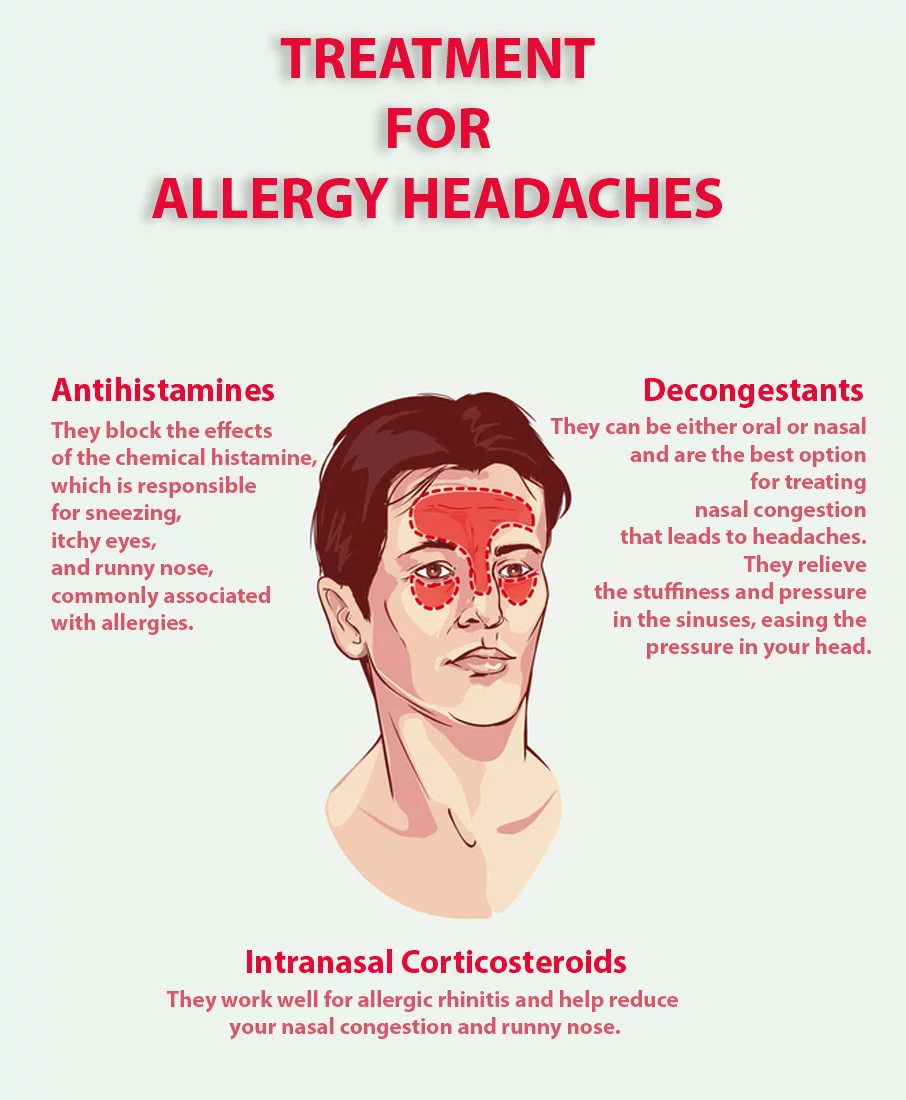
- Choose one allergy strategy and use it correctly. An oral antihistamine, a nasal steroid spray, or both may help, depending on your symptoms. A nasal steroid spray usually works best when you use it every day during allergy season, not only when you already feel awful. Follow the label or your clinician advice, especially if you take other medicine.
- Reduce fresh exposure. Keep windows closed on high-pollen days, shower after being outside, and change clothes before you sit on the couch.
- Use pain relief carefully. Acetaminophen or ibuprofen can help some people, but they do not fix the cause. Use them as directed and avoid stacking multiple products with the same active ingredient.
- Track your pattern. Write down the day, pollen level, symptom mix, and what you took. That record makes the next appointment far more useful.
Water matters here.
Dehydration can make any headache feel sharper, and spring is full of days when you forget to drink enough because you are busy dealing with sneezing and congestion. A glass of water will not cure an allergy flare, but it can keep the pain from getting louder.
When to get medical help
Call a clinician if the headaches keep coming back despite allergy treatment, if the pain is severe, or if you are missing work because of it. Get checked sooner if you have fever, vision changes, facial swelling, confusion, weakness, or a headache that feels different from your usual pattern. Those signs need more than home care.
You should also ask for help if you keep reaching for over-the-counter medicine and still feel stuck. A clinician can sort out allergies, migraine, and sinus infection, then help you build a plan that fits your symptoms instead of guessing.
Spring allergy headache relief for the next pollen wave
The best plan starts before your nose closes up. Check pollen forecasts, take your preventive allergy medicine on schedule if you have one, and keep a small toolkit ready with saline, tissues, and your usual pain reliever. That sounds basic, because it is. Basic is often what works.
Why wait for the next high-pollen day to guess? If spring keeps flattening you, spend one week tracking what comes first: sneezing, congestion, pressure, or nausea. That answer will tell you more than another last-minute pill ever will.
This article is for educational purposes only and should not be considered medical advice. Always consult a qualified healthcare provider before making decisions about addiction treatment. If you or someone you know is in crisis, call SAMHSA's National Helpline: 1-800-662-4357 (free, confidential, 24/7).