How to Spot a Scam Website Before It Hits You
How to Spot a Scam Website Before It Hits You You click a link, the page loads fast, and everything looks normal. That is the trap. A scam website can copy a…
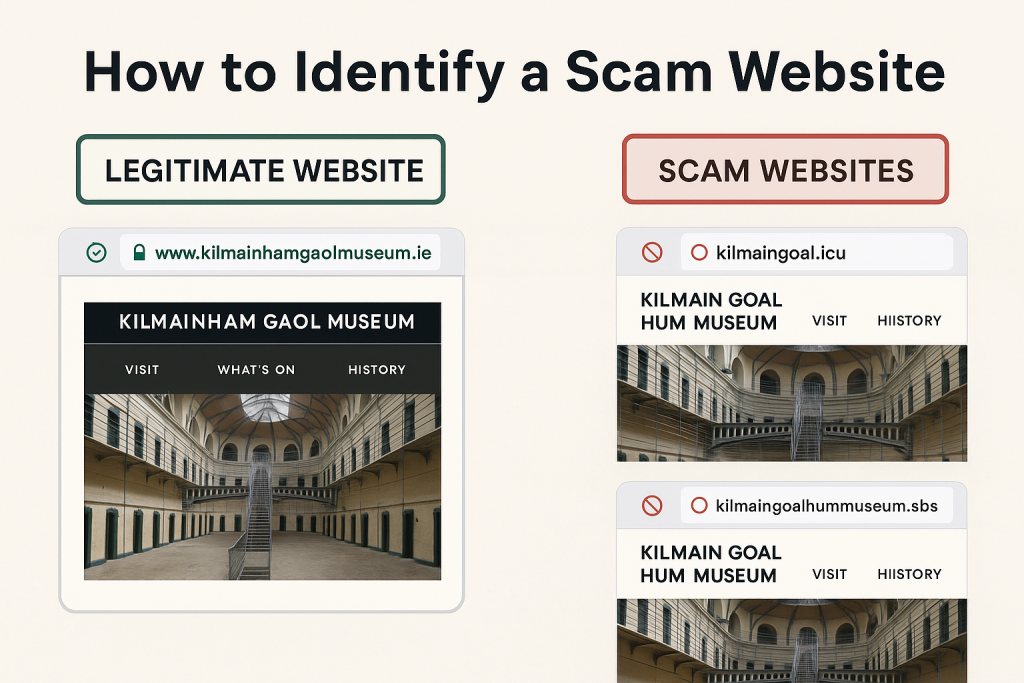
How to Spot a Scam Website Before It Hits You
You click a link, the page loads fast, and everything looks normal. That is the trap. A scam website can copy a real brand, borrow trust, and push you toward a bad download, a fake login, or a payment page that never should have existed. If you want to spot a scam website, you need to look past the polish and check the signals that actually matter. Why? Because one rushed click can lead to stolen credentials, malware, or a drained account.
The good news is that most fake sites leave clues. The bad news is that many people only notice them after damage is done. Look closely, trust your discomfort, and slow the process down.
Quick signs to spot a scam website
- Odd domain names. Misspellings, extra words, strange subdomains, or a URL that does not match the company.
- Pressure tactics. Pop-ups, countdowns, or urgent messages that push you to act now.
- Broken trust signals. Missing contact details, weak privacy pages, or copied logos with no proof behind them.
- Bad security habits. No HTTPS, browser warnings, or login pages that look off.
- Payment confusion. Requests for wire transfers, gift cards, or strange checkout flows.
How to spot a scam website by checking the URL
The URL is your first real test. Scammers often build addresses that look close enough to pass a quick glance, like swapping letters, adding a hyphen, or using a fake login subdomain. That trick works because people scan, they do not read.
Check the domain from right to left. The real site should end in the company’s actual domain, not a lookalike buried inside a longer address. And if the page asks you to sign in through a strange redirect, ask yourself one question: would this company really send you here?
“If the address feels off, stop there. A clean design does not rescue a bad domain.”
What the page design can tell you
Scam sites often reuse templates. You may see stock photos, clipped text, dead links, and clumsy layout shifts. The page can still look convincing at a glance. That is exactly why you should inspect the details instead of trusting the surface.
Real companies usually keep their pages consistent. Fonts match. Buttons behave the same way across sections. Contact pages point to a real address, phone number, or support channel. If the site feels like a stage set, it probably is.
Ask before you click
Does this page behave like the official brand you expected? If the answer is no, do not enter personal data. A fake storefront can look polished, but it still falls apart under pressure (especially when you check the basics).
Spot a scam website by testing trust signals
Trust signals are easy to copy, so you need to test them. Look for HTTPS, but do not stop there. Many fake sites now use certificates, which means the padlock alone is not proof of safety. That is a hard truth, and it matters.
- Check the contact page for a real business address and support details.
- Search the company name plus words like “complaint,” “scam,” or “review.”
- Compare the site with the company’s official social profiles.
- Look for a privacy policy and terms page that read like real legal documents, not filler.
Google Safe Browsing and VirusTotal can help, but they are support tools, not a final verdict. Use them the way you would use a flashlight in a dark parking lot. Helpful. Not magical.
Why fake urgency works so well
Scam websites lean on stress. They want you to act before you think. A fake invoice, a warning that your account will close, or a “limited-time” offer can narrow your focus and cut out your caution. That is the whole play.
Slow the moment down. Open a new tab and search for the company yourself. Type the address manually if you know it. If a site is real, it will survive scrutiny. If it cannot handle that, what does that tell you?
What to do before you enter any password or card number
Use a short routine. It takes less than a minute once you get used to it, and it can save you from a mess.
- Open the site from a trusted bookmark or the company’s official app.
- Check the domain carefully.
- Read the page for spelling errors, weird phrasing, or mismatched branding.
- Confirm the company through a second source, like its verified social account or a known phone number.
- Only then decide whether to log in or pay.
This is not paranoia. It is basic field work. Like checking the lock on a door before you leave for the night, it should feel normal.
What to do if you already clicked
If you entered credentials, change the password on the real site right away. If you used that password anywhere else, change those too. Enable multi-factor authentication if you have not already. If you paid with a card, call the issuer and watch the account closely.
And if you downloaded a file, disconnect from the network and run a reputable security scan. Better still, get help from someone who handles malware cleanup for a living. Fast action matters more than perfect memory.
Stay sharp without becoming paranoid
The goal is not to treat every website like a threat. It is to build a habit that catches bad pages before they catch you. Small checks add up. A careful glance at the domain, a pause before payment, a second source for confirmation. That is enough to stop most scams cold.
Scammers keep refining their pages, so your habits need to stay sharp. The next fake site will not announce itself. Will you notice the telltale crack before you step through the door?
This article is for educational purposes only and should not be considered medical advice. Always consult a qualified healthcare provider before making decisions about addiction treatment. If you or someone you know is in crisis, call SAMHSA's National Helpline: 1-800-662-4357 (free, confidential, 24/7).