Sports Betting Addiction During NFL Season
Sports Betting Addiction During NFL Season You open a Week 4 NFL power ranking to see whether your team is moving up. Ten minutes later, you are checking…
Sports Betting Addiction During NFL Season
You open a Week 4 NFL power ranking to see whether your team is moving up. Ten minutes later, you are checking spreads, player props, same-game parlays, and injury reports. That slide is common now, and sports betting addiction can hide inside what looks like normal fan behavior. NFL content moves fast, especially weekly rankings like Bleacher Report’s B/R Experts Week 4 NFL Power Rankings, which give bettors fresh angles every few days. The problem is not reading analysis. The problem starts when every ranking becomes a reason to bet, chase losses, or stay glued to odds instead of the game. If you feel that pull, you are not weak. You are dealing with a product built for speed, emotion, and repeat action.
What matters this week
- NFL rankings can trigger bets because they create simple stories about momentum, decline, and surprise teams.
- Sports betting addiction often shows up as chasing, hiding bets, borrowing money, or feeling restless when you try to stop.
- Mobile betting raises the risk because the next wager is always a few taps away.
- Practical limits work best before kickoff, not after a bad beat.
- Help is available through the National Council on Problem Gambling, state helplines, therapists, and peer support groups.
Why sports betting addiction can spike during NFL season
NFL betting has a rhythm that can wear people down. There are Thursday games, Sunday slates, Sunday night games, Monday night games, injury updates, waiver news, fantasy alerts, and media rankings. Each one can feel like a new edge.
Bleacher Report’s Week 4 NFL Power Rankings are a good example of how sports media feeds the weekly cycle. Rankings give fans a clean ladder: who is rising, who is falling, who is overrated, and who might shock the league next. That is useful sports coverage. But for someone at risk, it can become a betting prompt.
Look, I have covered sports and tech long enough to know the sales pitch. Betting apps want to make wagering feel like a natural extension of fandom. The cleaner the interface, the easier it is to forget that real money is leaving your account.
The National Council on Problem Gambling says problem gambling can affect finances, relationships, work, and mental health. It also warns that easy access and fast play can increase risk for some people.
Sports betting addiction signs that fans miss
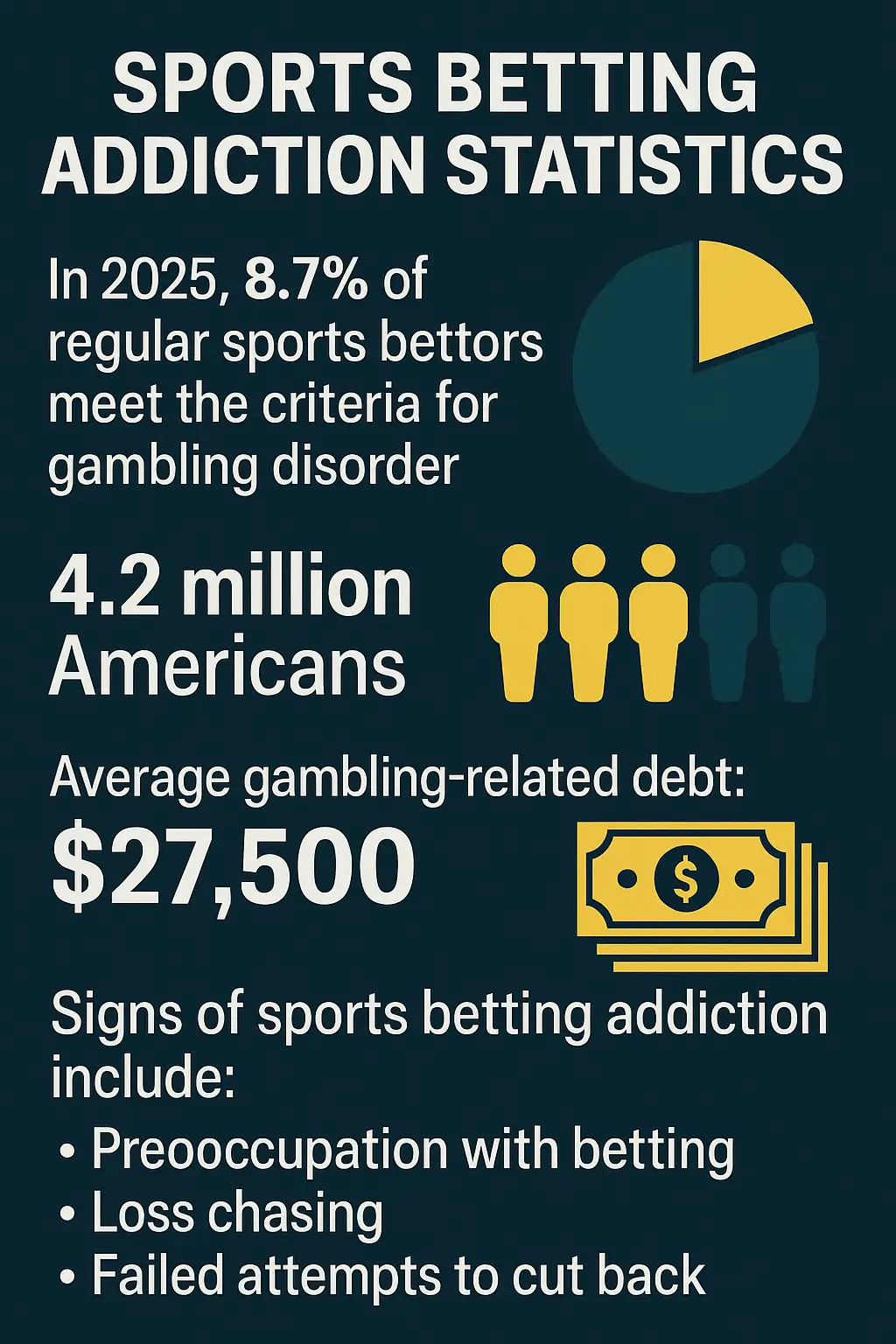
Most people picture addiction as total collapse. That misses the middle stage, where the warning signs are quieter. You still go to work. You still watch games with friends. But your mood depends on bets, not football.
Ask yourself a blunt question: if you could watch the next full NFL Sunday with no wager, would you still enjoy it?
- You bet more than you planned, even after setting a limit.
- You chase losses with late games, live bets, or bigger stakes.
- You hide betting activity from a partner, friend, or family member.
- You feel irritated, flat, or anxious when you cannot bet.
- You use credit cards, loans, or bill money to keep betting.
- You tell yourself one win will fix the week.
- You watch odds movement more closely than the actual game.
One ugly Sunday can turn into a month-long spiral.
How NFL rankings can distort your risk
Power rankings feel objective because they are ordered. A team at No. 5 looks safer than a team at No. 19. But rankings are opinion mixed with recent results, roster context, injuries, schedule strength, and gut judgment. They are not betting systems.
This is where fans get tripped up. A team moving up a ranking can look like a sure thing, even if the betting market already priced that rise into the line. By the time you see the take, the value may be gone.
The mental traps to watch
- Recency bias: You overrate what happened last week and ignore the larger sample.
- Confirmation bias: You read rankings until you find one that supports the bet you already wanted.
- Loss chasing: You treat the next game as a repair job for the last one.
- Parlay creep: You add legs because the payout looks exciting, even though the odds get worse.
- Control illusion: You confuse reading more content with reducing risk.
Think of it like cooking with a sharp knife. The tool is useful, but speed and overconfidence are how you get cut.
A practical sports betting addiction safety plan
If betting is starting to feel sticky, do not wait for rock bottom. Put friction between yourself and the app. The goal is to make the next bad decision harder.
Set limits before the games start
Pick a weekly dollar limit that you can lose without affecting rent, food, debt, savings, or family needs. Then set that limit inside the betting app if the tool is available. Do it before kickoff, while your head is clear.
Also set a time limit. A money cap helps, but NFL live betting can keep you locked in for hours. Your attention has value too.
Remove the fastest triggers
- Turn off odds alerts and promotional push notifications.
- Unfollow accounts that post constant picks if they push you to bet.
- Delete saved payment methods from betting apps.
- Use a separate bank account for bills so gambling money cannot touch essentials.
- Ask a trusted person to hold you accountable on high-risk weekends.
Use self-exclusion if limits keep failing
Most regulated sportsbooks offer cool-off periods, deposit limits, and self-exclusion options. State gaming agencies often run broader self-exclusion lists. These tools are not dramatic. They are seatbelts.
If you keep breaking your own rules, use the stronger option.
How to talk to someone about sports betting addiction
If you are worried about a friend or partner, skip the courtroom tone. Accusations usually push the person into defense mode. Be specific instead.
Try this: I noticed you seemed stressed after the games, and you mentioned chasing losses. I am not here to shame you. I want to know what is going on and how I can help.
That kind of line works because it names behavior, not character. It also gives the person a path back to honesty. Shame feeds secrecy, and secrecy is gasoline for gambling problems.
What not to say
- Just stop betting.
- You should know better.
- Only irresponsible people get addicted.
- Win it back and then quit.
The DSM-5-TR classifies gambling disorder as an addictive disorder. That matters because it frames the issue as a treatable health condition, not a personal flaw.
Where to get help now
If betting is causing harm, support should be practical and fast. In the United States, the National Problem Gambling Helpline connects people to local resources at 1-800-GAMBLER. You can also look for state gambling helplines, licensed therapists who treat gambling disorder, financial counselors, and peer support groups such as Gamblers Anonymous.
If sports betting is tied to anxiety, depression, alcohol use, or other drug use, tell the clinician that up front. Co-occurring issues are common, and treating only one part of the problem may leave the cycle intact.
A solid first step is simple: pause betting for one week, track your urges, and write down what triggers them. The pattern will tell you more than your willpower ever will.
The next smart move
NFL rankings should make you a sharper fan, not a stressed bettor. Read the analysis, argue about the list, enjoy the games. But if every ranking now feels like a betting signal, take that seriously. The market will still be there next Sunday. The better question is whether you want it sitting in your pocket all week.
This article is for educational purposes only and should not be considered medical advice. Always consult a qualified healthcare provider before making decisions about addiction treatment. If you or someone you know is in crisis, call SAMHSA's National Helpline: 1-800-662-4357 (free, confidential, 24/7).