Speed Drug Effects: What Users Should Know Now
Speed Drug Effects: What Users Should Know Now You hear street talk about speed and wonder how this stimulant actually lands on your body and mind. The…
Speed Drug Effects: What Users Should Know Now
You hear street talk about speed and wonder how this stimulant actually lands on your body and mind. The conversation matters because speed drug effects are reshaping ER visits and everyday choices right now. I have covered stimulants for decades, and the pattern is clear: short bursts of alertness followed by crashes, cardiovascular strain, and a mental toll that lingers. The drug’s amphetamine base spikes dopamine, but the come down hits mood, sleep, and heart rhythm hard. Why risk a weekend thrill that could spiral into dependence? Understanding the real-world impact gives you a chance to set boundaries before things snowball.
Quick Hits to Remember
- Speed ramps heart rate and blood pressure, driving dehydration and heat risk.
- Sleep disruption compounds anxiety and depression during the crash.
- Mixing with alcohol or opioids multiplies overdose danger.
- Hydration, cooling down, and spacing use lower acute harms but never erase them.
How Speed Drug Effects Hit Your Body
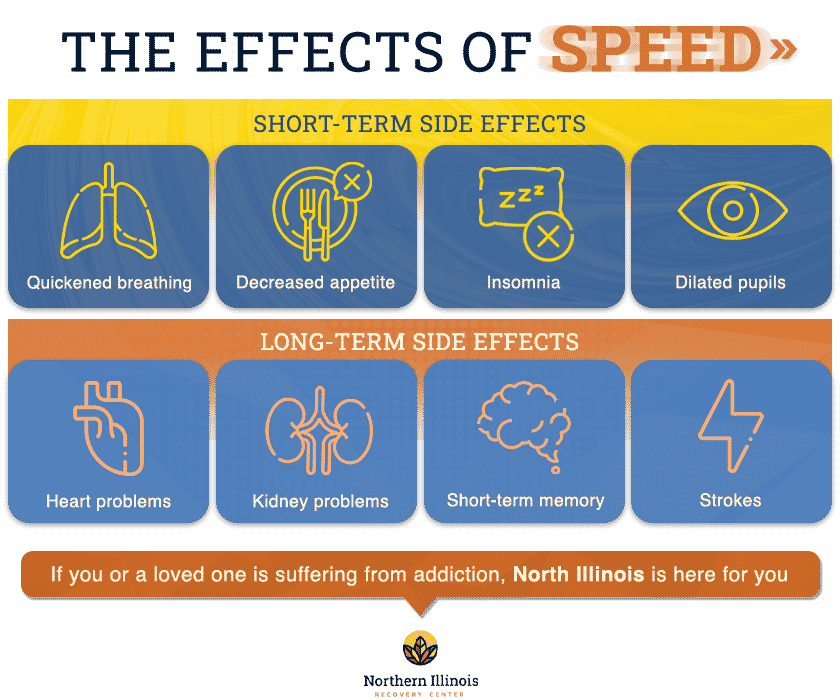
Speed floods dopamine and norepinephrine, which keeps you awake, sharp, and restless. That rush feels like a sprinter off the blocks, but the lactic acid shows up as jaw grinding, tremors, and a pounding heart. Sustained vasoconstriction strains the cardiovascular system and can trigger arrhythmias. Think of it like over-revving a car engine on a hot day; it may run, but the wear shows fast.
Your core temperature rises, and sweat accelerates fluid loss. Without water and electrolytes, cramps and confusion follow. One sentence stands alone here.
Speed’s short high often masks a longer tail of anxiety, irritability, and low mood.
Speed Drug Effects on Mental Health
Users report sharper focus at first, but the rebound can feel brutal. Irritability, paranoia, and mood swings surface as dopamine drops. For people with underlying anxiety or bipolar spectrum conditions, the spikes and crashes can unmask symptoms fast. Sleep debt compounds the problem, distorting judgment and raising relapse risk.
Detecting Problems Early
Look for warning signs: rapid weight loss, constant jaw clenching, nosebleeds from insufflation, and erratic sleep. Friends often notice the change in conversation speed and impatience. If someone starts chasing the initial high with more frequent doses, dependence is creeping in. Why wait for a crisis?
Reducing Harm When Quitting Feels Hard
Speed’s grip loosens with practical steps. Here is how I coach readers who feel stuck:
- Set firm spacing between use days and track it in writing.
- Prioritize sleep with a dark room, cooling, and a consistent schedule.
- Hydrate with water and electrolytes before and after sessions.
- Eat protein and complex carbs to blunt the crash.
- Avoid stacking speed with alcohol, benzos, or opioids—polydrug use fuels ER visits.
Like rebuilding stamina after an injury, small habits add up. The goal is to regain control, not to chase an endless sprint.
Treatment Paths That Work
Behavioral therapies show the best results because no FDA-approved medication exists for amphetamine dependence. Cognitive behavioral therapy and contingency management give structure and rewards for staying off the drug. Peer groups add accountability, and a physician can monitor heart health and mental health during withdrawal. If you cannot access a specialist, start with your primary care doctor and be direct about use—medical teams need honest data to help.
What Parents and Partners Can Do
Stay observant without turning into a detective. Ask open questions and listen for changes in sleep or appetite. Share concrete observations rather than accusations. Offer to sit in on a medical visit if the person agrees. Support works best when it feels like a team sport, not a police report.
Why the Risk Keeps Rising
Illicit markets shift recipes, and potency swings make dosing unpredictable. Some batches are cut with caffeine or synthetic cathinones, raising toxicity. Testing kits provide limited insight, but even a rough read is better than blind trust. Street economics mirror a volatile stock, and users pay the volatility tax with their health.
Where to Start If You Want Out
Call a local addiction counselor, text a helpline, or tell your doctor. Build a simple plan: sleep, food, hydration, and a sober friend on speed dial. Removing triggers—party invites, certain playlists, old contacts—helps more than people expect. The first 72 hours off speed often feel shaky, but the fog lifts faster when you anchor to routines.
Looking Ahead
Speed use will keep evolving, but you can stay ahead with informed, grounded choices. Will you treat your body like a race car or a daily driver that needs to last?
This article is for educational purposes only and should not be considered medical advice. Always consult a qualified healthcare provider before making decisions about addiction treatment. If you or someone you know is in crisis, call SAMHSA's National Helpline: 1-800-662-4357 (free, confidential, 24/7).