South Carolina Heat Advisory Safety Guide
South Carolina Heat Advisory Safety Guide If you are dealing with a South Carolina heat advisory, you need clear steps fast. High heat is not a minor…
South Carolina Heat Advisory Safety Guide
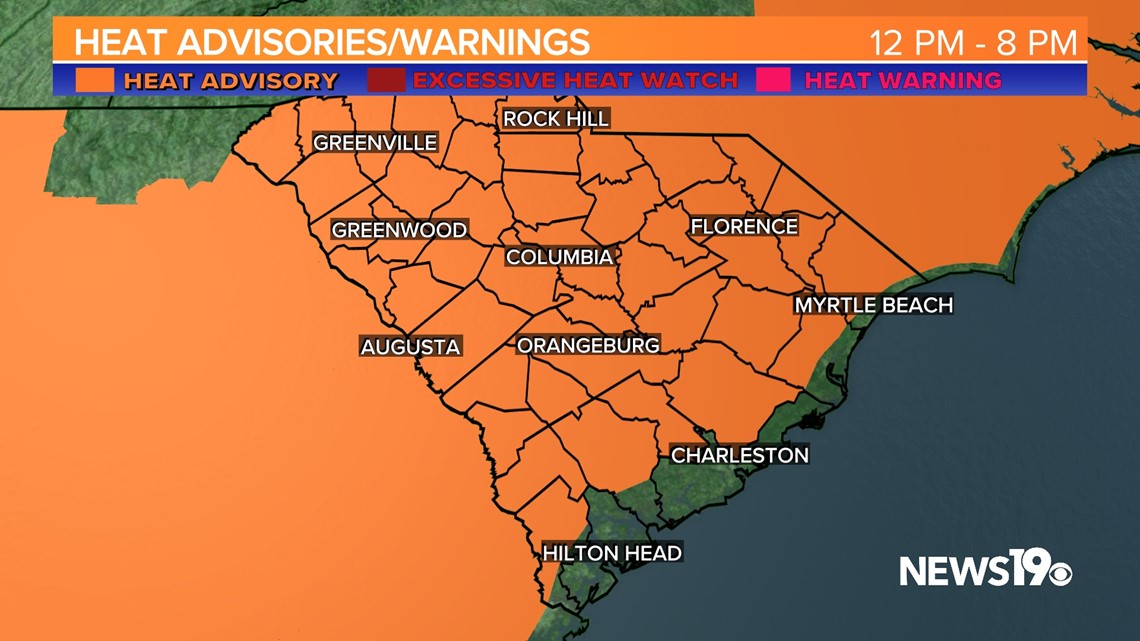
If you are dealing with a South Carolina heat advisory, you need clear steps fast. High heat is not a minor inconvenience. It raises the risk of dehydration, heat exhaustion, and heat stroke, especially for older adults, young children, outdoor workers, and people with chronic health conditions. And during a long hot stretch, small mistakes add up. A missed water break. A parked car. A hard workout at the wrong hour.
That is why heat alerts matter right now. They are an early signal that the weather can turn risky before many people feel the danger. Think of it like a smoke alarm for your body. You do not wait for flames to act. You change plans, protect vulnerable people, and take the warning seriously before a hot day becomes a medical emergency.
What to do first
- Check the forecast and local alerts before outdoor plans.
- Drink water often, even if you do not feel thirsty yet.
- Limit outdoor work and exercise during peak afternoon heat.
- Watch high-risk people closely, including seniors, kids, and people without air conditioning.
- Never leave anyone in a car, not even for a minute.
What a South Carolina heat advisory means
A South Carolina heat advisory usually means the combination of temperature and humidity can create conditions that are dangerous to your health. Humidity matters because it slows the body’s ability to cool itself through sweat. A 95-degree day can feel much worse when the air is heavy and still.
Look, this is where people get caught off guard. They focus on the air temperature and ignore the heat index. But the heat index is often the more useful number because it reflects how hot it feels to the human body.
Heat danger builds fast when high temperatures and humidity hit at the same time. That is when basic routines like walking the dog or mowing the lawn can become risky.
South Carolina heat advisory risks you should not shrug off
Heat illness can start with symptoms that seem easy to dismiss. Heavy sweating, muscle cramps, dizziness, nausea, headache, and unusual fatigue are common early signs. If you push through them, things can get bad in a hurry.
Heat stroke is a medical emergency. Warning signs include confusion, fainting, a body temperature above 103 degrees, hot red skin, or a rapid strong pulse, according to the Centers for Disease Control and Prevention. If that happens, call 911 right away and move the person to a cooler place while waiting for help.
One more thing.
Some groups face a much steeper risk than others. That includes infants and children, older adults, people with heart disease, people taking certain medications, athletes, and workers in construction, landscaping, roofing, and delivery jobs.
How to stay safe during a South Carolina heat advisory
Change your schedule
Move outdoor tasks to early morning or later in the evening. If that is not possible, work in shorter blocks and take shade or indoor breaks every 20 to 30 minutes. Honestly, that is the difference between a manageable day and a trip to urgent care.
Use water and cooling the smart way
- Drink water throughout the day, not all at once.
- Wear light, loose clothing.
- Use fans, air conditioning, or cool showers to lower body temperature.
- Eat lighter meals if the heat is draining you.
- Avoid heavy alcohol use because it can worsen dehydration.
If you do not have air conditioning at home, go to a library, shopping center, community center, or another cooled public place for part of the day. Even a few hours can help your body recover (and lower indoor heat buildup that lingers into the night).
Protect kids and pets
Children heat up faster than adults. Keep outdoor play short, plan water breaks, and watch for flushed skin or irritability. For pets, avoid hot pavement and afternoon walks. If the ground is too hot for your hand, it is too hot for paws.
What outdoor workers and active adults should do
If your job puts you outside, your safety plan needs to be non-negotiable. Employers should provide water, rest, and shade. Workers should pace themselves, use the buddy system, and learn heat illness symptoms before the shift starts.
And if you exercise outdoors, ask a blunt question. Is this workout worth the risk today? On high heat index days, indoor training or a shorter session is often the smarter call. Elite athletes adjust for weather all the time. Weekend runners should too.
How to help family, neighbors, and older adults
Heat is often hardest on people who are isolated, do not drive, or are trying to save money by avoiding air conditioning. Check on older relatives and neighbors at least once or twice during a heat advisory. Ask simple questions. Is the air working? Do you have water? Do you need a ride to a cooler place?
This matters more than most people think. The National Weather Service and CDC have long warned that heat is one of the deadliest weather hazards in the United States. It does not always look dramatic on camera, but it can be brutal in real life.
When heat becomes an emergency
Call emergency services if someone has confusion, loses consciousness, stops sweating despite extreme heat, vomits repeatedly, or struggles to breathe. Move the person to shade or air conditioning. Use cool cloths, cold packs on the neck and armpits, or a cool bath if you can do so safely.
Do not wait for symptoms to “pass.” That delay is where serious harm happens.
What this heat advisory says about the weeks ahead
Heat advisories are becoming a more common part of summer planning across the South. You should treat them like any other serious weather alert, not as background noise. The practical move is simple. Build a heat plan before the next alert hits, then make it routine for your home, work, and family circle.
The real test is not whether you saw the warning. It is whether you changed your day because of it.
This article is for educational purposes only and should not be considered medical advice. Always consult a qualified healthcare provider before making decisions about addiction treatment. If you or someone you know is in crisis, call SAMHSA's National Helpline: 1-800-662-4357 (free, confidential, 24/7).