South Beach Detox and South Florida Treatment Demand
South Beach Detox and South Florida Treatment Demand If you are looking for addiction care in South Florida, you already know the problem. Beds fill fast,…
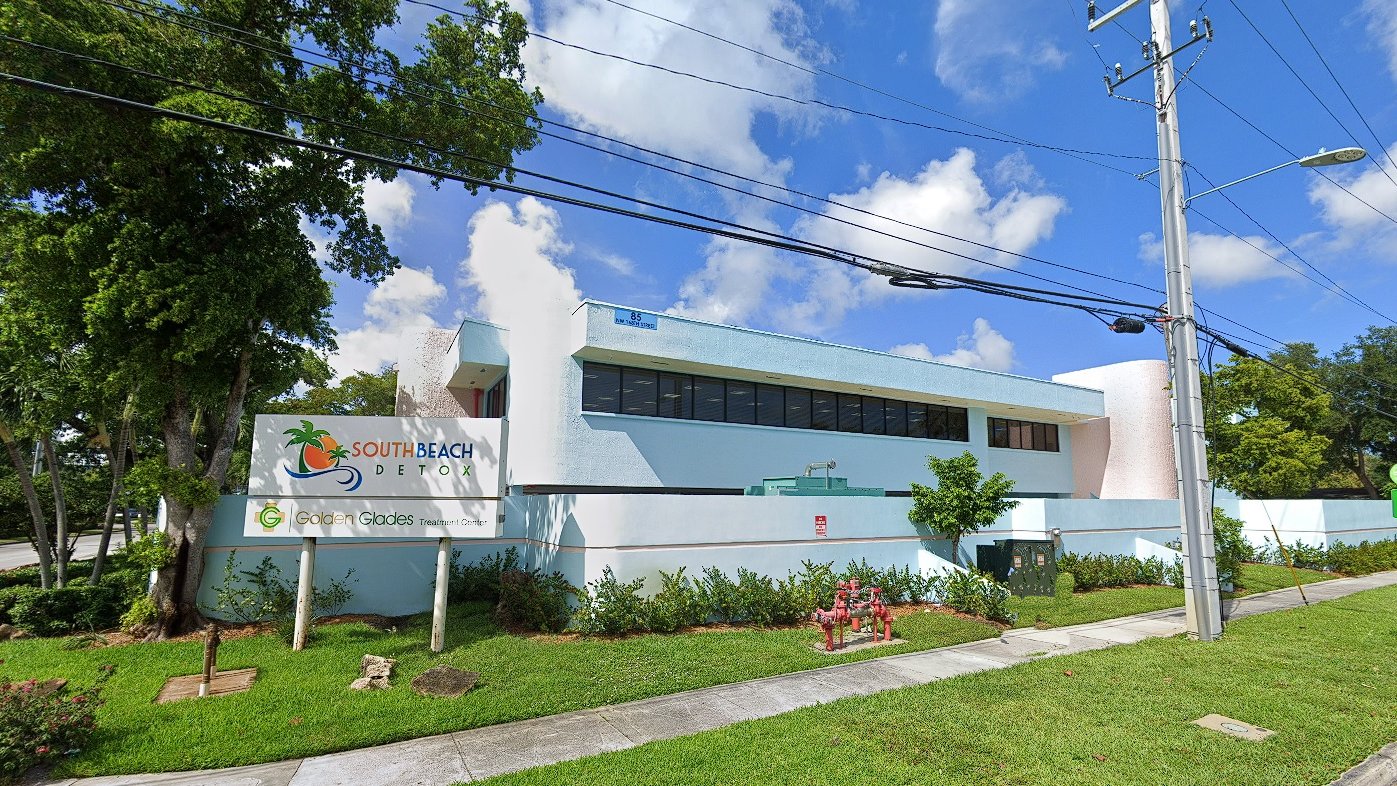
South Beach Detox and South Florida Treatment Demand
If you are looking for addiction care in South Florida, you already know the problem. Beds fill fast, referrals take time, and not every program offers the same level of support. That is why South Beach Detox matters right now. It sits inside a market where treatment demand keeps rising, and where families need faster answers, clearer intake steps, and a real path beyond detox.
South Florida has long been a destination for recovery services, but higher demand has changed the stakes. People need more than a place to stop using. They need medical oversight, a plan for the next stage, and a center that does not overpromise. What should you look for before you commit? And how do you tell the difference between a stable program and a glossy brochure?
What South Beach Detox signals about South Florida treatment demand
- Access is tighter. More people are seeking help, so admission speed matters.
- Detox is only the start. Good programs connect you to residential care, outpatient care, or therapy after withdrawal.
- Medical monitoring matters. Withdrawal can be unpredictable, especially with alcohol, opioids, or polysubstance use.
- Families need clear communication. Intake, insurance, and next steps should be simple to understand.
The South Florida market has always been crowded. That makes quality harder to judge. A center can have a polished website and still leave patients guessing about clinical oversight, discharge planning, or insurance verification.
Look, detox is not a finish line. It is the first room in a longer house. If the front door opens fast but the rest of the building is shaky, you are still at risk.
How South Beach Detox fits the care path
Detox works best when it does one job well. It helps the body clear a substance safely while staff watch for complications and manage symptoms. For alcohol and benzodiazepine withdrawal, that can be non-negotiable because both can become medically serious.
After that, the real work begins. A strong program should explain what comes next, whether that means residential treatment, partial hospitalization, intensive outpatient therapy, or medication-assisted treatment for opioid use disorder. Without that bridge, people often leave detox and drift.
Detox without follow-through is like changing the tires on a car and never checking the engine. You solve one problem, then leave the next one untouched.
What good handoff planning looks like
- A written discharge plan before you leave.
- Clear referral options tied to your level of need.
- Medication review, including any prescriptions used during withdrawal.
- Family contact rules that are easy to understand.
- A relapse prevention plan that covers the first 72 hours after discharge.
That last part matters more than people think. The days right after detox can be a pressure point. Cravings spike. Sleep gets worse. Stress lands harder. If nobody has planned for that stretch, the risk climbs.
What to ask before you choose a detox center
Choosing care should feel less like shopping and more like a careful interview. You are hiring a team to guide a medical process. Would you hand that off without asking direct questions?
Ask these five questions
- Is a licensed clinician available around the clock?
- How do you handle alcohol, opioid, and benzodiazepine withdrawal?
- What happens if my symptoms get worse?
- Do you verify insurance before admission, and how fast?
- What treatment options do you recommend after detox?
Ask about accreditation too. The Joint Commission and CARF are the two names many patients hear most often. Accreditation does not fix everything, but it gives you one outside signal that a center has met formal standards.
And check the details that get skipped in sales calls. Is the program set up for dual diagnosis care? Do they treat anxiety, depression, or trauma alongside substance use? If not, detox may only solve half the problem.
Why South Florida needs more than beds
South Florida has a dense treatment market, but density is not the same as access. A county can have many providers and still leave patients stuck because of insurance gaps, transport issues, or long waits for step-down care. That is the real bottleneck.
Think of it like a busy kitchen during dinner service. Having more stoves does not help if no one coordinates the tickets. Treatment systems need coordination too, from intake to discharge to aftercare.
Community demand also changes the job for facilities. Centers need flexible scheduling, better referral networks, and staff who can explain options without jargon. That is where programs win trust. Not with noise. With clarity.
South Beach Detox and the standards that should matter
If you are comparing programs, focus on measurable basics. Staff credentials. Medical supervision. Evidence-based withdrawal protocols. Insurance transparency. A defined aftercare plan. Those are the foundations.
Promising care should be easy to describe. If a center cannot explain who supervises detox, how often patients are assessed, or what happens next, keep looking. Fancy language is cheap. Operational clarity is what counts.
Some patients also need medication support after detox, especially if opioid use disorder is part of the picture. The National Institute on Drug Abuse has long backed medication-assisted treatment as an evidence-based approach for opioid addiction. That makes follow-up care a clinical issue, not a marketing choice.
What this means if you are making a decision now
If you are calling around today, move quickly but do not rush blind. Ask for the clinical track, not just the admissions pitch. Ask what the first 24 hours look like, what the discharge plan includes, and how the center handles transitions if you need a higher or lower level of care.
South Beach Detox sits in a market where demand keeps pushing harder on every weak spot. The programs that will matter most are the ones that can handle detox safely and then connect you to the next step without friction. That is the test now. Can the center do more than open the door?